









#AIFearsSendIBMDown11%
American technology giant International Business Machines (IBM) experienced one of its sharpest daily drops in history on Monday (February 23, 2026). The company's shares fell by 13.2%, dropping to $223.35. This was IBM's largest single-day loss since October 18, 2000. In a single day, the company's market value eroded by approximately $31-38 billion.
The main reason for the decline was the announcement by artificial intelligence company Anthropic of new capabilities for its Claude Code tool, developed for its Claude models. Anthropic stated that this tool could significantly automate the modernization process of legacy systems, particularly those written in the COBOL programming language.
COBOL is a critical language used since the 1950s and still used today in banking, insurance, government agencies, and many large enterprise systems. A large portion of these systems run on IBM mainframe platforms. For years, IBM has generated massive consulting and services revenue from modernizing, maintaining, and updating these legacy COBOL codebases. This business segment accounts for a significant portion of the company's software and infrastructure segments.
According to Anthropic, Claude Code:
- Can analyze thousands of lines of COBOL code,
- Can map dependencies,
- Can document workflows,
- Can identify risks, and
- Can automate the most complex and time-consuming parts of modernization projects, reducing the process from years to quarters.
Investors sold sharply, believing that this type of AI automation would reduce IBM's need for traditional consulting armies and suppress services revenue. Many analysts and commentators saw this as a concrete sign that "AI is now beginning to threaten not only software developers but also legacy systems giants like IBM."
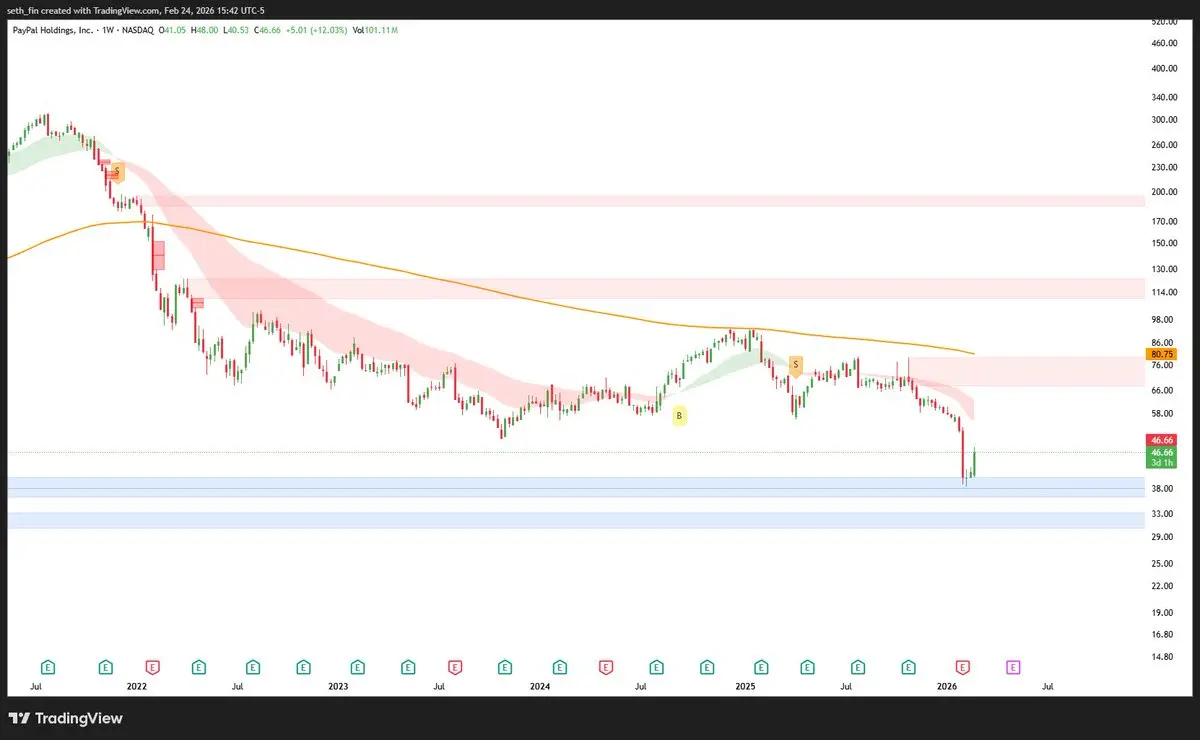
The market reaction was so severe that IBM fell from levels of 11-11.2% during the day, deepening further towards the close, reaching 13.2%. This decline also fueled fears of AI-induced disruption in the general market on the same day; software ETFs fell by 4.8%, and some payment and delivery companies by over 6.5%.
Some analysts, however, argue that the panic is exaggerated. They point to factors such as IBM's strong cash flow, continued mainframe demand, a $32 billion order backlog, and aggressive capital allocation policies as reasons for the company's continued strength. Some institutions even see the recent decline as a buying opportunity and have upgraded their ratings to "Buy." The hashtag #AIFearsSendIBMDown11% (or rather, 13%) spread rapidly on social media and in financial circles. Investors are now closely watching which traditional business lines will be most threatened by models like Anthropic and OpenAI.
While IBM has yet to issue an official counter-statement, it is expected to present a defense in the coming days highlighting the advantages its COBOL modernization services still offer over AI.
American technology giant International Business Machines (IBM) experienced one of its sharpest daily drops in history on Monday (February 23, 2026). The company's shares fell by 13.2%, dropping to $223.35. This was IBM's largest single-day loss since October 18, 2000. In a single day, the company's market value eroded by approximately $31-38 billion.
The main reason for the decline was the announcement by artificial intelligence company Anthropic of new capabilities for its Claude Code tool, developed for its Claude models. Anthropic stated that this tool could significantly automate the modernization process of legacy systems, particularly those written in the COBOL programming language.
COBOL is a critical language used since the 1950s and still used today in banking, insurance, government agencies, and many large enterprise systems. A large portion of these systems run on IBM mainframe platforms. For years, IBM has generated massive consulting and services revenue from modernizing, maintaining, and updating these legacy COBOL codebases. This business segment accounts for a significant portion of the company's software and infrastructure segments.
According to Anthropic, Claude Code:
- Can analyze thousands of lines of COBOL code,
- Can map dependencies,
- Can document workflows,
- Can identify risks, and
- Can automate the most complex and time-consuming parts of modernization projects, reducing the process from years to quarters.
Investors sold sharply, believing that this type of AI automation would reduce IBM's need for traditional consulting armies and suppress services revenue. Many analysts and commentators saw this as a concrete sign that "AI is now beginning to threaten not only software developers but also legacy systems giants like IBM."
The market reaction was so severe that IBM fell from levels of 11-11.2% during the day, deepening further towards the close, reaching 13.2%. This decline also fueled fears of AI-induced disruption in the general market on the same day; software ETFs fell by 4.8%, and some payment and delivery companies by over 6.5%.
Some analysts, however, argue that the panic is exaggerated. They point to factors such as IBM's strong cash flow, continued mainframe demand, a $32 billion order backlog, and aggressive capital allocation policies as reasons for the company's continued strength. Some institutions even see the recent decline as a buying opportunity and have upgraded their ratings to "Buy." The hashtag #AIFearsSendIBMDown11% (or rather, 13%) spread rapidly on social media and in financial circles. Investors are now closely watching which traditional business lines will be most threatened by models like Anthropic and OpenAI.
While IBM has yet to issue an official counter-statement, it is expected to present a defense in the coming days highlighting the advantages its COBOL modernization services still offer over AI.