Yusfirah

vip
Age 1.3 Yıl
Peak Tier 5
No content yet
#ETHMemeCoinFLORKSurges
🚀 ETH Meme Sector Update: “FLORK” Surge Highlights Speculative Liquidity Rotation in Crypto Markets
The recent surge in ETH-linked meme assets, led by tokens like FLORK, is not just another hype cycle. It reflects a deeper and more structural behavior in crypto markets: liquidity rotation during uncertainty phases in major assets like Ethereum.
When traders see sudden explosive moves in meme coins, they often assume “new money is entering.” In reality, most of these moves are internal capital rotation—money shifting within the ecosystem rather than fresh inflows.
This
ETH-3,37%
BTC-1,72%
DragonFlyOfficial
#ETHMemeCoinFLORKSurges
🚀 ETH Meme Sector Update: “FLORK” Surge Highlights Speculative Liquidity Rotation in Crypto Markets
The recent surge in ETH-linked meme assets, led by tokens like FLORK, is not just another hype cycle. It reflects a deeper and more structural behavior in crypto markets: liquidity rotation during uncertainty phases in major assets like Ethereum.
When traders see sudden explosive moves in meme coins, they often assume “new money is entering.” In reality, most of these moves are internal capital rotation—money shifting within the ecosystem rather than fresh inflows.
This distinction matters because it determines whether a rally is sustainable or fragile.
📊 1. What the FLORK surge actually signals
The sharp upside movement in FLORK-style meme tokens is usually driven by:
Low-liquidity amplification (small capital moves large price)
Short-term speculative positioning
Social momentum cycles (not fundamentals)
Derivatives spillover from ETH volatility
Retail chasing breakout candles
But the key insight is this:
Meme coin surges often increase when major assets like Ethereum enter consolidation or uncertainty phases.
When ETH slows down or becomes range-bound, traders search for higher volatility elsewhere. Meme coins become that outlet.
⚠️ 2. Why these surges are misleading for most traders
The biggest mistake retail traders make is interpreting meme rallies as “bull market confirmation.”
In reality, these moves often indicate:
Capital fragmentation
Risk appetite shifting into lower-quality assets
Short-term leverage buildup
Exit liquidity formation for early entrants
This creates a dangerous illusion:
“Everything is pumping, so the market is strong.”
But structurally, it may actually be the opposite—capital is rotating away from high-conviction assets into speculative noise.
🧠 3. Ethereum’s role in this cycle
Ethereum is not just another token—it is the liquidity backbone of the altcoin ecosystem.
When ETH experiences:
sideways movement
reduced volatility
unclear trend structure
Then capital naturally spills into meme sectors.
Why?
Because traders still want movement. If ETH is not moving, they go hunting for volatility.
This is why meme coins often outperform during ETH consolidation phases—but that outperformance is usually short-lived and unstable.
📉 4. The hidden risk behind meme surges
The FLORK-type moves come with structural risks that are often ignored:
1. Liquidity risk
Most meme tokens have thin order books. Large holders can move price dramatically in both directions.
2. Exit liquidity trap
Early buyers distribute into late FOMO buyers. When momentum slows, price collapses quickly.
3. Correlation snap-back
When ETH volatility returns, meme coins typically underperform sharply.
4. Sentiment overextension
Social hype peaks before price peaks—never after.
📊 5. Market psychology behind the surge
The psychology cycle usually follows this pattern:
ETH stabilizes → traders get bored
Meme coin starts moving → attention shifts
Social media amplifies gains
Retail FOMO accelerates entries
Early holders distribute positions
Sharp reversal begins
This cycle repeats constantly across crypto cycles because human behavior does not change.
🧭 6. What smart traders are watching instead
Professionals are not chasing FLORK-style moves blindly. They are tracking:
ETH volatility expansion signals
Funding rate imbalance across meme tokens
Volume sustainability after breakout
BTC dominance shifts (macro liquidity signal)
On-chain flow consistency (not spikes)
Because the real question is not:
“Which meme coin is pumping?”
It is:
“Is this liquidity expansion sustainable or just rotation?”
🧩 7. Strategic interpretation (not hype-driven thinking)
From a disciplined trading perspective, the FLORK surge suggests:
Short-term speculative phase is active
Risk appetite is temporarily elevated
ETH is not currently driving directional momentum
Market is rotating rather than expanding
This is important because rotation phases often end with:
sharp rebalancing
liquidity resets
sudden drawdowns in low-cap assets
🧱 8. Risk framework for traders
If you are participating in this type of market:
Avoid chasing vertical candles
Reduce exposure size in low-liquidity tokens
Treat meme rallies as timed trades, not investments
Always assume distribution is happening during parabolic moves
Respect ETH and BTC structure before alt exposure
Most losses in this phase come from ignoring liquidity mechanics, not wrong predictions.
🧭 Final perspective
The FLORK surge is not a standalone event—it is a symptom of broader market rotation behavior inside the Ethereum ecosystem.
When Ethereum is stable but not trending, capital doesn’t disappear—it moves sideways into higher-risk narratives.
That movement creates opportunity, but also traps.
Dragon Fly Official view: In these conditions, survival is not about catching every pump—it’s about avoiding the collapse that follows overextended rotation cycles.
⚠️ Risk Warning
Meme coin markets are highly speculative and extremely volatile. Prices can reverse sharply without warning due to low liquidity and concentrated holdings. Never use high leverage in these conditions. Most losses occur during late-stage entry, not early-stage opportunity.

repost-content-media
  • Reward
  • 6
  • 1
  • Share
Falcon_Official:
LFG 🔥
View More
🎉 #Gate13thAnniversaryLive — Inside the Mega Celebration, Brand Strategy & Market Attention Flow
The Gate 13th anniversary celebration is not just a corporate event—it is a multi-layer brand activation campaign designed to merge entertainment, lifestyle branding, and crypto ecosystem visibility into one high-impact narrative.
With three major experiences running simultaneously—F1 Red Bull Racing Exhibition, Blue Carpet Ceremony, and Gate Gala 13 Dinner—this event is engineered for one core outcome:
Maximum attention capture across both mainstream audiences and crypto-native communities.
But b
DragonFlyOfficial
🎉 #Gate13thAnniversaryLive — Inside the Mega Celebration, Brand Strategy & Market Attention Flow
The Gate 13th anniversary celebration is not just a corporate event—it is a multi-layer brand activation campaign designed to merge entertainment, lifestyle branding, and crypto ecosystem visibility into one high-impact narrative.
With three major experiences running simultaneously—F1 Red Bull Racing Exhibition, Blue Carpet Ceremony, and Gate Gala 13 Dinner—this event is engineered for one core outcome:
Maximum attention capture across both mainstream audiences and crypto-native communities.
But beyond the visuals and celebrity moments, there is a deeper layer worth analyzing: how exchanges and platforms are increasingly using real-world events to strengthen digital trust and user engagement.
🧠 1. Why this event matters beyond celebration
On the surface, this looks like a luxury anniversary showcase. But structurally, it serves three strategic purposes:
🔹 1. Brand legitimacy building
Large-scale physical events help exchanges move from “digital-only perception” to institution-grade credibility.
🔹 2. User retention psychology
Events like this create emotional attachment:
“I’m part of something big”
“This platform is growing globally”
“This ecosystem is expanding”
🔹 3. Attention liquidity injection
Crypto platforms compete not only on trading fees—but on attention flow. Events like this temporarily increase:
social mentions
trading curiosity
platform engagement
onboarding interest
🏎️ 2. F1 Red Bull Racing Exhibition — speed, branding & association
The inclusion of an F1-themed experience is not random.
Formula 1 represents:
precision engineering
global elite branding
high-speed performance culture
By associating with this, the event taps into:
“high-performance identity transfer”
aspirational lifestyle positioning
global sports prestige signaling
In marketing psychology, this is called:
brand adjacency amplification
💙 3. Blue Carpet Ceremony — controlled visibility & influencer economy
Unlike traditional red carpets, a “blue carpet” format often signals a modernized branding tone.
This segment is typically designed for:
influencers
KOLs (key opinion leaders)
crypto personalities
media amplification figures
Its real function:
generate viral photo content
create shareable identity moments
drive organic social reach
This is where most of the “event buzz” is manufactured for digital platforms.
🍽️ 4. Gate Gala 13 Dinner — high-trust networking layer
The Gala Dinner is the least visible but most strategically important part.
Why?
Because this is where:
partnerships are discussed
institutional relationships are strengthened
long-term strategic collaborations begin
private ecosystem alignment happens
Public sees luxury.
Behind the scenes sees deal flow and ecosystem planning.
📊 5. Why crypto exchanges invest heavily in events like this
This is not just marketing—it is competitive positioning.
In the current market environment:
exchanges compete for trust
user acquisition costs are rising
regulatory pressure increases need for legitimacy
brand differentiation is harder than ever
So physical mega-events act as:
“trust acceleration tools”
Instead of explaining credibility, they display it visually.
⚠️ 6. Hidden risk angle (important for users)
Whenever large branded crypto events trend online, there is always a parallel risk layer:
🔴 Fake giveaways
Scammers often replicate:
event logos
fake livestream links
impersonated accounts
🔴 Phishing campaigns
Users are targeted with:
“exclusive event airdrops”
“VIP access links”
“limited anniversary rewards”
🔴 Misleading hype trading
Some traders may assume:
“event = bullish price action”
But events do NOT guarantee market movement. Price depends on liquidity, not celebration.
Always verify:
official domains
verified accounts
platform announcements
🧭 7. What content creators should actually focus on
If you are covering this event as a creator, don’t just repost visuals.
Focus on:
✔ Narrative framing
brand expansion story
ecosystem growth angle
user adoption psychology
✔ Engagement hooks
“What does this mean for crypto adoption?”
“Is this branding or real utility expansion?”
“How exchanges compete beyond trading?”
✔ Avoid
overclaiming price impact
fake insider interpretations
unverified celebrity or partnership claims
📈 8. Strategic insight (Dragon Fly Official perspective)
Large exchange events like this are not random celebrations—they are part of a broader shift where:
crypto platforms are evolving into full-scale global lifestyle + finance ecosystems
The competition is no longer just:
fees
listings
liquidity
It is:
attention
trust
cultural relevance
global branding presence
And that is the real battlefield.
🧩 Final perspective
The #Gate13thAnniversaryLive event represents more than a celebration. It is a structured attempt to:
strengthen brand authority
increase global visibility
deepen user emotional connection
and position itself within the broader financial entertainment ecosystem
But users and traders should separate:
marketing momentum vs market reality
Because they are not always connected.
repost-content-media
  • Reward
  • 6
  • Repost
  • Share
Falcon_Official:
LFG 🔥
View More
DragonFlyOfficial
#WCTCTradingKingPK
WCTCTradingKingPK – Real Trading Performance is Built, Not Claimed
In competitive trading environments like WCTC, most participants misunderstand what actually decides success.
It is not hype.
It is not random profit spikes.
It is not emotional “all-in” trades.
Real performance is built on structure, discipline, and execution under pressure.
What Actually Matters in PK Trading Battles
In 1v1 trading competitions, every decision is amplified. One mistake can erase hours of progress.
Key factors that define winners:
Risk management consistency
Controlled position sizing
Entry timing precision
Emotional discipline under pressure
Ability to avoid overtrading
Most traders don’t lose because their idea is wrong — they lose because their execution is unstable.
The Hidden Truth Most Traders Ignore
When rankings are visible in real-time, psychology becomes your biggest enemy.
You will face:
Pressure to recover losses quickly
Temptation to overleverage after wins
Fear of missing fast market moves
Comparison with other traders’ results
And this is where most accounts get destroyed — not by the market, but by decisions made under emotional stress.
What Separates Winners from Participants
Winning traders in competitive environments don’t focus on:
Maximum profit per trade
Aggressive entries
Random high-risk setups
Instead, they focus on:
Survival first
Capital protection always
High-probability setups only
Consistent execution systems
In trading competitions, consistency beats aggression every time.
Final Reality Check
The biggest misconception is thinking that trading competitions are about “who makes the most money fastest.”
In reality:
It is about who loses the least while staying consistent long enough to rank.
That is the edge most people never build.
Risk Warning
Trading in crypto markets and competitive environments carries high financial risk. Volatility, leverage, and emotional decision-making can lead to significant losses. No strategy guarantees profit. Always manage risk responsibly and avoid overexposure.
repost-content-media
  • Reward
  • 6
  • Repost
  • Share
Falcon_Official:
LFG 🔥
View More
  • Reward
  • 6
  • Repost
  • Share
Falcon_Official:
LFG 🔥
View More
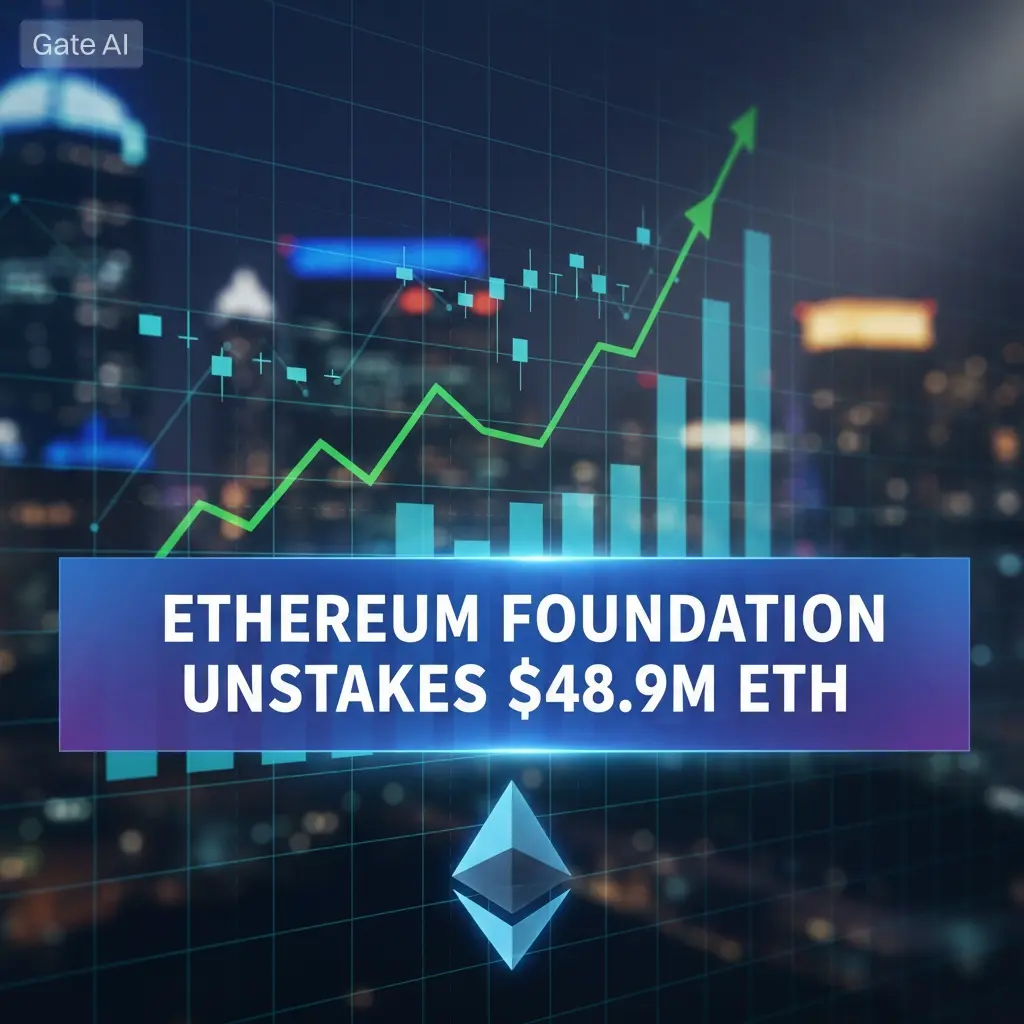
#EthereumFoundationUnstakes$48.9METH
The latest Ethereum ecosystem developments are exposing one of DeFi’s biggest truths: in moments of crisis, protocol strength is not measured by yield, but by resilience.
The recent rsETH collateral crisis has shaken the decentralized finance sector at a structural level. What looked like an isolated exploit quickly evolved into a liquidity stress event across one of DeFi’s largest lending ecosystems, Aave. The attack itself did not directly compromise Aave’s contracts, but it weaponized unbacked rsETH as collateral, creating a chain reaction that pushed t
ETH-3,37%
AAVE-1,26%
STETH-3,12%
post-image
post-image
post-image
  • Reward
  • 8
  • 1
  • Share
Falcon_Official:
LFG 🔥
View More
ShainingMoon
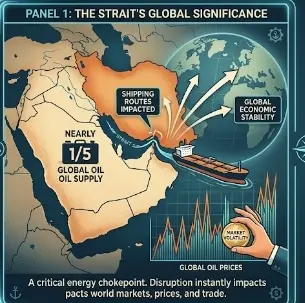
#IranProposesHormuzStraitReopeningTerms Step 1 – Strategic Importance of the Strait
The Strait of Hormuz stands as one of the most critical energy chokepoints in the world. Nearly one-fifth of global oil supply flows through this narrow passage. Any disruption instantly shakes global markets, impacting oil prices, shipping routes, and economic stability across continents.
Step 2 – Iran’s New Proposal
Iran has introduced fresh terms for reopening and stabilizing maritime activity in the strait. These proposals aim to ease tensions while asserting national sovereignty. The move signals a shift from confrontation toward conditional cooperation.
Step 3 – Core Conditions Outlined
The proposed terms reportedly include reduced foreign military presence, guarantees of safe navigation under regional oversight, and respect for Iran’s territorial boundaries. These conditions reflect long-standing concerns about external influence in the region.
Step 4 – Message to Global Powers
Iran’s proposal sends a direct signal to major global players. It emphasizes that long-term stability in the Gulf cannot be achieved without acknowledging regional authority. This marks a strategic attempt to reshape diplomatic dynamics.
Step 5 – Impact on Oil Markets
Markets reacted cautiously to the news. Any indication of reopening reduces supply fears, potentially stabilizing crude oil prices. However, uncertainty around negotiations keeps volatility alive, as traders weigh risks against possible breakthroughs.
Step 6 – Shipping and Trade Implications
A stable Strait of Hormuz ensures smoother global trade flows. Shipping companies and insurers closely monitor developments. Lower risk levels could reduce insurance premiums and improve logistical efficiency worldwide.
Step 7 – Regional Political Dynamics
Neighboring countries are carefully assessing the proposal. Gulf states, heavily reliant on oil exports, are directly affected. Cooperation or rejection of these terms will shape regional alliances and future security frameworks.
Step 8 – Risks and Challenges
Despite the proposal, significant challenges remain. Trust deficits between Iran and Western nations, ongoing sanctions, and geopolitical rivalries complicate progress. Any misstep could quickly reverse positive momentum.
Step 9 – Potential Diplomatic Breakthrough
If negotiations succeed, this could mark a turning point in Middle Eastern diplomacy. A cooperative framework around the strait could reduce tensions, encourage dialogue, and open doors for broader agreements.
Step 10 – Future Outlook
The coming weeks are crucial. Whether Iran’s terms lead to constructive engagement or further disagreement will define the next phase of global energy stability. Investors, governments, and analysts are all watching closely.
Conclusion
Iran’s proposal to reopen the Strait of Hormuz under new terms represents more than a regional issue—it is a global economic and geopolitical moment. The balance between sovereignty, security, and cooperation will determine whether this initiative becomes a pathway to stability or another chapter in ongoing tensions.
repost-content-media
  • Reward
  • 6
  • Repost
  • Share
Falcon_Official:
LFG 🔥
View More
Luna_Star
#EthereumFoundationUnstakes$48.9METH
TRUST, TRANSPARENCY, AND THE TRILLION-DOLLAR QUESTION
THE MOVE THAT SHOOK THE CRYPTO MARKET
On April 26, 2026, the Ethereum community woke up to a headline that immediately set off alarms across trading desks, social media threads, and prediction markets worldwide. The Ethereum Foundation initiated the unstaking of approximately $48.9 million worth of Ethereum, according to blockchain data tracked by Arkham Intelligence. The move involves converting staked assets through Lido's unstaking process — a step that will ultimately return the funds to a liquid state. The mechanics were visible to anyone watching on-chain: the Ethereum Foundation deposited wrapped staked Ether (wstETH) tokens into the unstETH contract of Lido, which paved the way for receiving unstaked ETH coins following the finalization of the unlocking procedure. One of the transfers involved up to 811.206 wstETH worth nearly $2.3 million, while another transaction accounted for nearly 219.461 wstETH. In blockchain, nothing is private — and within hours of the transaction hitting the chain, Arkham publicly flagged the move with a pointed question that instantly went viral across crypto discussions: "Are they going to sell this ETH as well?" That single question, posed by one of the most-watched on-chain intelligence platforms in the world, was all it took to send the market into a frenzy of speculation, fear, and debate.
UNDERSTANDING WHAT "UNSTAKING" ACTUALLY MEANS
Before the market panic is assessed, it is important to understand what this transaction technically represents — and what it does not. Staking involves locking up cryptocurrency to support network operations, typically in exchange for rewards. In this case, the Ethereum Foundation had previously staked ETH via liquid staking derivatives such as wstETH. The unstaking process converts those locked assets back into liquid ETH — but liquid does not automatically mean sold. The development has drawn attention across the crypto market as it introduces the possibility — though not confirmation — of increased selling pressure once the assets are fully unlocked. If the unstaked ETH were to be sold, it could introduce additional supply into the market, potentially affecting price levels. The scale of $48.9 million is significant, though its impact would depend on market conditions and liquidity. At the same time, if the funds are retained or redeployed within the ecosystem, the effect on price may be limited. In other words, the Ethereum Foundation now holds liquid ETH — it may sell, redeploy, hold, or convert those assets into stablecoins for operational purposes. The market, however, has learned through historical experience that whenever the Foundation converts staked or locked ETH into liquid form, selling often follows — and that history is precisely what makes this transaction so significant to watch.
THE STAKING JOURNEY THAT LED TO THIS MOMENT
To fully grasp why the unstaking of $48.9 million matters, one must understand the dramatic staking journey the Ethereum Foundation embarked upon in the months leading up to this event. For years, the Foundation was criticized for simply selling ETH to fund its operations rather than staking it to earn yield. The earlier model — where the Foundation relied on ETH sales — drew criticism through 2024 and early 2025. The shift to staking allowed the Foundation to earn yield without needing to sell its coins, creating what was marketed as a long-term, self-sustaining treasury. The community watched as the Foundation began building toward a major commitment. The Foundation had steadily increased its staking position over recent months — in February, it staked just over 2,000 ETH, followed by more than 22,000 ETH in March, and earlier in April it added over 45,000 ETH in several transactions. The total deposit of 45,034 ETH was split into uniform chunks of 2,047 ETH, each worth roughly $4.23 million, sent from the foundation's treasury multisig to the Ethereum 2 Beacon Chain deposit contract — bringing the cumulative staked position to approximately 69,500 ETH, nearly the full 70,000 ETH commitment. The community had barely finished acknowledging that milestone when the Foundation began unstaking — a pivot that, given the history, immediately triggered concern.
THE UNCOMFORTABLE PATTERN: STAKE, THEN SELL
The reason the April 26 unstaking caused such immediate alarm is not just about the size of the transaction — it is about the pattern. The development reopened a debate over what the Foundation's treasury overhaul was ever meant to accomplish. Over the last year, the Foundation moved treasury assets into DeFi, borrowed against ETH collateral, and then launched a staking initiative centered on about 70,000 ETH. Many participants had started to treat staking as a partial answer to sell pressure. The new move shows that staking rewards and DeFi borrowing may improve treasury flexibility, but they still do not remove the need to sell ETH for operational cash. The timeline of recent moves reinforces this concern: a 5,000 ETH OTC sale in March, followed by further conversions in April, shows that selling and staking have been happening simultaneously. The unstaking decision fits a pattern of inconsistent treasury signaling. For a community that expected a clear shift away from the sell-to-operate model, the recurring appearance of liquid ETH continues to create uncertainty.
THE PRICE IMPACT: STABILITY ON THE SURFACE, TENSION UNDERNEATH
Despite the magnitude of the transaction and the intensity of the debate it sparked, Ethereum's price held relatively stable, trading between $2,300 and $2,400. This range represents a key decision zone — a breakout above could signal continuation, while a drop below could open downside toward lower support levels. Beneath that stability, however, sentiment remains cautious. Traders are evaluating whether the move signals potential selling pressure. With a large amount of ETH becoming liquid, the possibility of a market impact remains present. Prediction markets and long-term expectations reflect this caution, with relatively low confidence in aggressive upside targets within the current year. The short-term resilience is notable, but broader sentiment still reflects uncertainty around the Foundation's intentions.
A HISTORY OF CONTROVERSY: THE TRUST DEFICIT
The community's sensitivity to these moves is rooted in a long history of treasury-related concerns. Previous large transfers to exchanges triggered backlash and required clarification. Over time, repeated instances of ETH movements without clear communication created a perception problem. Reports have also highlighted a declining treasury balance alongside rising operational costs over recent years. This combination — shrinking reserves and increasing expenses — has contributed to a persistent trust deficit within parts of the community.
THE JUNE 2025 TREASURY POLICY: PROMISES AND THEIR LIMITS
In June 2025, the Ethereum Foundation introduced a formal treasury policy aimed at improving transparency and structure. The plan included allocating a portion of the treasury to operational expenses, maintaining a multi-year reserve buffer, and committing to regular reporting. It also emphasized flexibility in reallocating funds across different strategies, including staking and DeFi participation. While the policy was widely seen as a positive step, events like the April 2026 unstaking have reignited debate over how consistently those principles are being applied in practice.
THE CORPORATE SHIFT: WHO IS ABSORBING SUPPLY
Another major shift in the Ethereum ecosystem is the growing role of corporate treasury participants. Large entities have accumulated significant ETH positions, in some cases surpassing the Foundation itself. This trend suggests a redistribution of supply from nonprofit stewardship toward corporate balance sheets. The Foundation's structured sales to institutional buyers highlight this transition. While this may provide liquidity and stability in some contexts, it also raises deeper questions about concentration and long-term network dynamics.
WHAT HAPPENS NEXT: THE SIGNALS TO WATCH
The market is now watching closely for the next move. Any clarity from the Ethereum Foundation regarding the purpose of the unstaked ETH will be critical. Whether the funds are sold, held, or redeployed will shape market interpretation. The broader takeaway is that staking, while helpful, does not eliminate the need for treasury management decisions that may involve selling. The Foundation still holds a substantial amount of ETH, both staked and unstaked, and its future actions will continue to influence sentiment. For the Ethereum ecosystem, this moment reflects an ongoing tension between long-term vision and practical financial management — a balance that remains unresolved.
repost-content-media
  • Reward
  • 5
  • Repost
  • Share
Falcon_Official:
LFG 🔥
View More
Luna_Star
#TopCopyTradingScout
The Rise, the Risks, and the Revolution of Copy Trading in 2026
Copy trading has rapidly evolved into one of the most talked-about developments in modern investing. At its core, it allows individuals to automatically replicate the trades of experienced professionals in real time. Instead of spending hours analyzing charts or tracking news, users can connect their accounts to skilled traders and mirror their positions proportionally. When a trader buys or sells assets like Bitcoin, gold, or forex pairs, the same action is executed in the follower’s account instantly. This simple yet powerful concept has opened the doors of global financial markets to millions who lack the time or expertise to trade actively.
The growth of the copy trading industry reflects a much larger transformation in how people access financial markets. What was once a niche feature has now become a multi-billion-dollar ecosystem. The global social trading market is valued at over $10 billion in 2026 and is expected to nearly double in the coming decade. This expansion is driven by mobile-first platforms, increased retail participation, and the blending of social media with financial decision-making. Algorithmic trading, which powers much of this infrastructure, is also growing rapidly, reinforcing the technological backbone behind copy trading systems.
A wide range of platforms now compete in this space, each offering different features tailored to various types of users. Major exchanges have integrated copy trading directly into their ecosystems, while specialized platforms focus on advanced execution and analytics. Some platforms prioritize beginner-friendly experiences with protective tools, while others cater to high-volume traders who require precision and minimal slippage. This diversity has made copy trading accessible to both small retail investors and large-scale participants.
Artificial intelligence has become a defining force in the evolution of copy trading. Modern platforms are no longer limited to simply connecting users with human traders. They now incorporate machine learning, real-time analytics, and automated risk management systems. These tools help users evaluate traders more effectively, manage exposure, and optimize execution. At the institutional level, AI is already being used to process vast amounts of data and execute trades with speed and efficiency that far exceed human capability. For retail users, this means access to a level of decision-making support that was previously unimaginable.
Despite its advantages, copy trading is far from risk-free. One of the most critical challenges is the gap between a trader’s performance and the results experienced by followers. Factors such as execution delays, liquidity constraints, and slippage can significantly impact outcomes. In volatile markets, even minor timing differences can lead to noticeable losses. Additionally, when large numbers of users copy the same trades simultaneously, it can amplify market movements and create cascading effects during periods of stress. Copy trading simplifies participation, but it does not eliminate risk.
Regulation remains another complex issue. Different regions apply different rules, and many platforms operate in loosely regulated environments. While some are overseen by established financial authorities, a significant portion of the industry still exists in regulatory gray areas. This creates uneven levels of protection for users and increases the importance of choosing reliable, transparent platforms. As the industry continues to grow, regulatory frameworks will likely play a crucial role in shaping its long-term stability.
A major shift in 2026 is the rise of on-chain copy trading within the crypto ecosystem. Instead of relying on centralized platforms, users can now track and replicate blockchain wallet activity directly. This approach removes intermediaries and increases transparency, as all transactions are visible on-chain. However, it also introduces new risks, particularly in highly volatile crypto markets where losses can occur quickly. While the technology is innovative, it requires a deeper understanding from users to avoid costly mistakes.
Choosing the right trader to copy remains the most important decision in this entire process. High returns alone are not a reliable indicator of skill. More meaningful metrics include consistency, risk management, and performance during market downturns. Many platforms now provide advanced tools to evaluate traders, including risk scores and drawdown analysis. Features like copy stop-loss settings add an extra layer of protection, allowing users to automatically exit if losses exceed a certain threshold.
Geographically, the growth of copy trading is expanding beyond traditional markets. Asia-Pacific, along with emerging economies, is becoming a major driver of adoption. Increased smartphone usage, financial inclusion initiatives, and rising interest in alternative assets are fueling this expansion. For many users in these regions, copy trading represents their first real opportunity to participate in global financial markets with minimal barriers.
Looking ahead, the future of copy trading will be shaped by the continued integration of artificial intelligence, the expansion of asset classes, and the development of more community-driven platforms. The industry is moving toward a model that combines automation, social interaction, and decentralized infrastructure. While the opportunities are significant, the risks remain equally important. Success in copy trading will not come from blindly following others, but from understanding the systems, managing risk carefully, and making informed decisions.
repost-content-media
  • Reward
  • 6
  • Repost
  • Share
Falcon_Official:
LFG 🔥
View More
🔥 Real-time market discussion in the community, daily red envelopes nonstop!
Will BTC surge again above 79,000?
Can we still chase the hot coin $BSB today?
Want to understand market sentiment instantly?
Join the Gate hot chat community and chat with real trading users in real time!
🎁 All-day community red envelopes keep dropping
💰 Every day, 5 active users are randomly selected, each receiving a 50U contract position experience voucher
🏆 The most active user of the week wins a Gate 13th Anniversary Gift Box ×1
👉 Talk about market trends, read the signals, and earn rewards, all in Gate ho
BTC-1,72%
post-image
  • Reward
  • 8
  • Repost
  • Share
Falcon_Official:
LFG 🔥
View More
Luna_Star
#USMilitaryMaduroBettingScandal
When a Classified Raid Became a Winning Bet
The Rise, the Risks, and the Political Shockwave of Prediction Markets in 2026
---
The Raid That Shook the World
In the early hours of January 3, 2026, a covert U.S. military operation known as Operation Absolute Resolve unfolded over Venezuela. The mission was massive in scale, involving around 150 aircraft operating from multiple global locations in a coordinated strike aimed at Caracas.
Inside Venezuela, the operation ended swiftly with the capture of President Nicolás Maduro. According to accounts from U.S. officials, elite forces entered Maduro’s compound and took him into custody during the raid. The mission was executed with extreme precision and was later described as one of the most complex coordinated military operations in recent history.
From Florida, former President Donald Trump monitored the operation in real time and communicated brief support messages to military leadership before the raid began.
---
Operation Absolute Resolve: Months in the Making
The operation was reportedly planned over several months, with intelligence efforts beginning as early as 2025. U.S. agencies allegedly embedded tracking capabilities inside Venezuela to monitor Maduro’s movements, habits, and security patterns.
By late December 2025, operational units were fully positioned. Multiple launch attempts were delayed due to weather conditions and timing considerations. The final authorization was given on January 2, 2026, triggering the execution of the mission.
However, while the operation remained classified, unusual activity had already begun appearing on prediction markets.
---
The Man Who Knew Too Much
After the operation, U.S. authorities arrested Master Sgt. Gannon Ken Van Dyke, a communications specialist attached to Joint Special Operations Command.
Investigators allege that Van Dyke used insider knowledge from his role in the operation to place bets on Polymarket predicting key outcomes, including U.S. military action in Venezuela and Maduro’s removal from power.
He reportedly made a series of trades between late December and early January, increasing his position significantly just hours before the raid occurred. His total profits are estimated at over $400,000.
Authorities say he used classified information for personal financial gain, leading to charges including fraud, unlawful use of government information, and illegal monetary transactions.
---
The Bets and the Evidence Trail
Investigators reconstructed his trading activity using blockchain and platform data. His bets consistently aligned with sensitive operational developments that were not publicly known at the time.
In the final 24 hours before the raid, his trading activity increased sharply, suggesting awareness of imminent events. Prosecutors argue this pattern strongly indicates access to nonpublic military intelligence.
He allegedly attempted to withdraw and conceal profits shortly after the operation became public, transferring funds through multiple accounts and attempting to delete traces of his activity.
---
The Digital Footprint and Attempted Cover-Up
According to court documents, Van Dyke later attempted to erase his online identity, including requests to delete accounts and modify associated email addresses.
However, digital forensic evidence and platform records preserved a clear timeline of his actions. A photograph taken after the operation further linked him to the mission environment, strengthening the prosecution’s case.
Investigators argue that these actions demonstrate awareness of wrongdoing and an attempt to conceal illicit gains.
---
Polymarket’s Response
Polymarket stated that it cooperated fully with authorities and referred the case to the Department of Justice after detecting suspicious activity.
The platform emphasized that insider trading using classified information is strictly prohibited and stated that enforcement actions like this demonstrate that the system is capable of detecting abuse.
---
Political Reactions and Controversy
The arrest quickly became a political flashpoint. Former President Trump compared the situation to historical sports gambling scandals, suggesting the case reflects a broader normalization of betting culture.
Some political figures called for leniency, arguing the case involves complex ethical questions, particularly since the bets were tied to U.S. operational success. Others strongly opposed this view, warning that allowing such behavior would undermine national security and military integrity.
---
A Larger Pattern Emerging
The Van Dyke case is not being viewed in isolation. Reports suggest multiple instances of highly accurate betting activity around major geopolitical events, raising concerns about whether insider knowledge is being systematically exploited on prediction markets.
This has intensified debate over the structure of platforms that allow betting on wars, elections, and covert operations.
---
Regulatory and Security Implications
Lawmakers are now under pressure to tighten rules around prediction markets. The case has raised serious concerns about whether existing financial laws are sufficient to handle markets that trade on real-world political and military events.
Polymarket and similar platforms have updated their rules to explicitly ban trading based on stolen or classified information. However, enforcement remains a major challenge due to the global and decentralized nature of these platforms.
---
The Bigger Question
The case has sparked a broader debate about the future of prediction markets and national security. As these platforms grow, they increasingly intersect with sensitive geopolitical events.
The central question now is whether financial incentives tied to real-world conflicts create unavoidable risks of insider exploitation — or whether stronger regulation can prevent it.
What is clear is that prediction markets are no longer just financial tools. They have become a new arena where information, power, and profit collide in ways governments are still struggling to control.
repost-content-media
  • Reward
  • 4
  • Repost
  • Share
Yusfirah:
LFG 🔥
View More
#加密市场行情震荡 The cryptocurrency market experiences a "roller coaster" trend! Bitcoin price continues to surge toward the $78,000 mark. As of writing, the current price stabilizes at $77,700.27, with moderate volatility within 24 hours—peaking at $77,885.35 and dipping to $77,140.23, just a step away from the crucial $80k level. The support for Bitcoin's high-level operation comes from sustained ETF capital inflows and positive signals from official levels; however, a sudden geopolitical event briefly pushed it below $78,000, highlighting the current market's uncertainty. Today, this article conso
SoominStar
#加密市场行情震荡 The cryptocurrency market experiences a "roller coaster" trend! Bitcoin price continues to surge toward the $78,000 mark. As of writing, the current price stabilizes at $77,700.27, with moderate volatility within 24 hours—peaking at $77,885.35 and dipping to $77,140.23, just a step away from the crucial $80k level. The support for Bitcoin's high-level operation comes from sustained ETF capital inflows and positive signals from official levels; however, a sudden geopolitical event briefly pushed it below $78,000, highlighting the current market's uncertainty. Today, this article consolidates all the latest developments to give you a clear view of Bitcoin's opportunities and volatility. All data are sourced from public news and do not constitute investment advice.
Market Brief: Approaching $78,000, 24H Volatility, Strong Capital Support
Key market data, providing an intuitive sense of Bitcoin's recent strength and fluctuations: Current price: $77,700.27
24H high: $77,885.35
24H low: $77,140.23
Recent performance: Up about 10% over the past month, nearly 15% recent gain, still below the all-time high by 40%
Bitcoin can continue approaching $78,000, driven mainly by continuous capital inflows. Two key capital figures are particularly impressive, serving as the "stabilizing force" for price increases:
First, approximately $2 billion net inflow into ETFs over the past month.
According to Bloomberg, Bitcoin's ability to approach $80,000 (its first since January this year) is mainly driven by short covering, Strategy Inc's ongoing purchases, and ETF capital inflows. Among them, Strategy Inc has bought about $3.9 billion worth of Bitcoin this month, further boosting overall market sentiment and providing strong support for Bitcoin's price.
Second, $1.9 billion net inflow into U.S. spot ETFs over the past 7 days.
According to Cointelegraph, this round of capital inflow is mainly led by Blackstone, with Bitcoin approaching $79,000 at the time. The continuous inflow of funds has also pushed the price toward a key resistance level. Notably, Blackstone's IBIT currently holds 3.3% of the global Bitcoin supply. Its large-scale fund assets and dominant capital inflows have become the core support for recent Bitcoin market trends.
Major Signal: U.S. Military Commander States Bitcoin Concerns National Interests
In addition to capital support, Bitcoin has recently received high recognition from U.S. authorities, even elevating it to the level of "national interest," further strengthening market confidence.
According to CoinWorld, U.S. Indo-Pacific Commander, Admiral Samuel Paparo, publicly stated at a Senate Armed Services Committee hearing on the FY2027 defense authorization request that Bitcoin is an important computer science tool—combining cryptography, blockchain, and proof-of-work mechanisms with huge potential. Paparo further pointed out that the costs associated with Bitcoin's proof-of-work protocol far exceed the expenses of simply maintaining network security through algorithms. Besides economic value, it also has significant application value in cybersecurity, which is positive for U.S. national strength. Notably, the U.S. military is currently running a Bitcoin node—not for mining, but for network monitoring and operational testing to ensure cybersecurity. This indirectly confirms Bitcoin's application value in cybersecurity. In fact, the U.S. government’s attention to cryptocurrencies goes beyond this; Vice President Vance previously stated that Bitcoin and artificial intelligence are key technologies affecting national destiny. He believes the U.S. should actively embrace Bitcoin to prevent innovation from flowing overseas, bringing more positive policy expectations for Bitcoin.
Unexpected Volatility: Trump Cancels Trip, Bitcoin Falls Below $78,000, Trading Volume Plummets
While Bitcoin nears $78,000 with positive signals, a sudden geopolitical event triggered a short-term correction, breaking the sustained bullish pattern. According to CoinPaper, U.S. President Trump recently announced the cancellation of a U.S. envoy’s trip to Pakistan for Iran peace negotiations. The trip was originally led by Envoy Wittekov and Trump’s son-in-law Kushner. Trump stated that, considering the long travel time (an 18-hour flight), he decided to halt the envoy’s travel plans.
It is reported that the cancellation was also related to the failure to reach an agreement in the first round of negotiations and Iran officials’ reluctance to attend subsequent talks. This further increased diplomatic uncertainty between Washington and Tehran. Following this news, Bitcoin's price quickly dropped below $78,000, briefly falling to about $77,200, matching the 24-hour low. Meanwhile, market activity cooled significantly, with trading volume down about 40% to nearly $18 billion, reflecting investor caution amid the sudden news.
Market analysts point out that Bitcoin is currently facing a critical technical test at $80,000. This level is not only a psychological threshold but also an important technical resistance. If it can be broken through, it may open the path toward $90,000; if not, further correction pressure could ensue.
Analyst Commentary: Dropping to $40k Is a Historic Anomaly, Current Correction Is Normal
In response to recent volatility, many investors worry about a significant correction. Well-known Bitcoin analyst James Check offers a clear view to ease market panic.
According to CoinDesk, James Check said that if Bitcoin drops to $40k, it would be a historic anomaly—though not entirely impossible, it is statistically very rare. He noted that the current price is about $77,685.69 (roughly aligned with the current $77,700.27), with a recent increase of nearly 15%. While still 40% below the all-time high, the overall level remains reasonable.
From a technical perspective, Bitcoin’s mean reversion index shows that if the price falls to $40k, it would be at the 0.4 percentile of historical daily closes, meaning this level has almost never appeared in history. In comparison, the current price is around the 31.5 percentile, which is relatively weak historically but still within normal correction ranges. There’s no need to overly worry about a large decline. The core logic of mean reversion is that prices tend to fluctuate around the mean, and the current volatility is just a normal market correction.
Trend Outlook: Short-term (1-4 weeks): Testing $80,000 resistance, manageable pullback risk
In the short term, Bitcoin’s key focus is whether it can break through the $80,000 resistance:
On one hand, ETF net inflows and Strategy Inc’s large purchases continue to support the market, and the U.S. military commander’s statement also boosts confidence. If it can break through $80,000, a new round of buying could be triggered, pushing toward $90,000.
On the other hand, geopolitical uncertainties caused by Trump’s trip cancellation, declining trading volume reflecting cautiousness, and profit-taking pressures may cause Bitcoin to oscillate around the $80,000 level. However, based on analyst views, the current price remains within normal correction ranges, with a very low probability of dropping to $40k. The correction is likely limited to the $77,000–$79,000 range, waiting for a breakthrough of the key resistance.
Mid- to Long-term (1-2 years): Clear bullish support, long-term upward trend
In the medium to long term, Bitcoin’s upward logic remains clear, supported mainly by three factors:
Sustained capital support: Strong ETF inflows—$2 billion in the past month and $1.9 billion in 7 days—plus large purchases by Strategy Inc. provide ongoing backing, with leading institutions like Blackstone further stabilizing capital inflows.
Official recognition: Statements from the U.S. military, Indo-Pacific commander, and vice president elevate Bitcoin to the level of national interest, cybersecurity, and technological competition, breaking previous negative impressions and bringing policy benefits.
Market expectations: Bitcoin’s current price is still 40% below its all-time high, with room for growth. Analysts emphasize that a large drop to $40,000 is an anomaly, and overall market outlook remains optimistic. Once it breaks the $8,000 level, new upward space is likely. Risks mainly include geopolitical uncertainties (e.g., U.S.-Iran relations), slowing ETF inflows, and resistance at key levels, but overall impact is limited.
Advice for Retail Investors: Avoid chasing highs, focus on key levels, respond rationally to volatility
As Bitcoin approaches $78,000, with positive signals and support, but also short-term risks, retail investors should stay rational, avoid blindly following the market, and focus on two points:
Don’t chase highs in the short term: Bitcoin is at a high level and facing the $80,000 resistance, with significant volatility risk. Avoid blindly buying in; if holding, consider trimming positions to lock in profits and wait for a breakthrough before adding.
Focus on key levels in the medium to long term: Track the $80,000 resistance and ETF inflows, and monitor official policies. If positive momentum continues, consider gradual accumulation on dips, ignoring short-term volatility. Avoid heavy positions during short-term fluctuations. The current strong performance of Bitcoin results from combined capital inflows and official recognition. Approaching $78,000 shows its growth potential but also short-term risks. The brief correction caused by Trump’s trip cancellation is just a geopolitical sideline, not changing the long-term positive trend. Analysts agree that current prices are within normal correction ranges, with very low chances of a sharp decline.
In the short term, the $80,000 level will be crucial for future trends; in the medium to long term, sustained capital inflows and official support will continue to bolster Bitcoin. For retail investors, avoiding being swept up in short-term volatility and maintaining a rational view of opportunities and risks is the safest approach.
All data and analysis in this article are sourced from public news and market research and do not constitute any investment advice.
  • Reward
  • 1
  • Repost
  • Share
Falcon_Official:
To The Moon 🌕
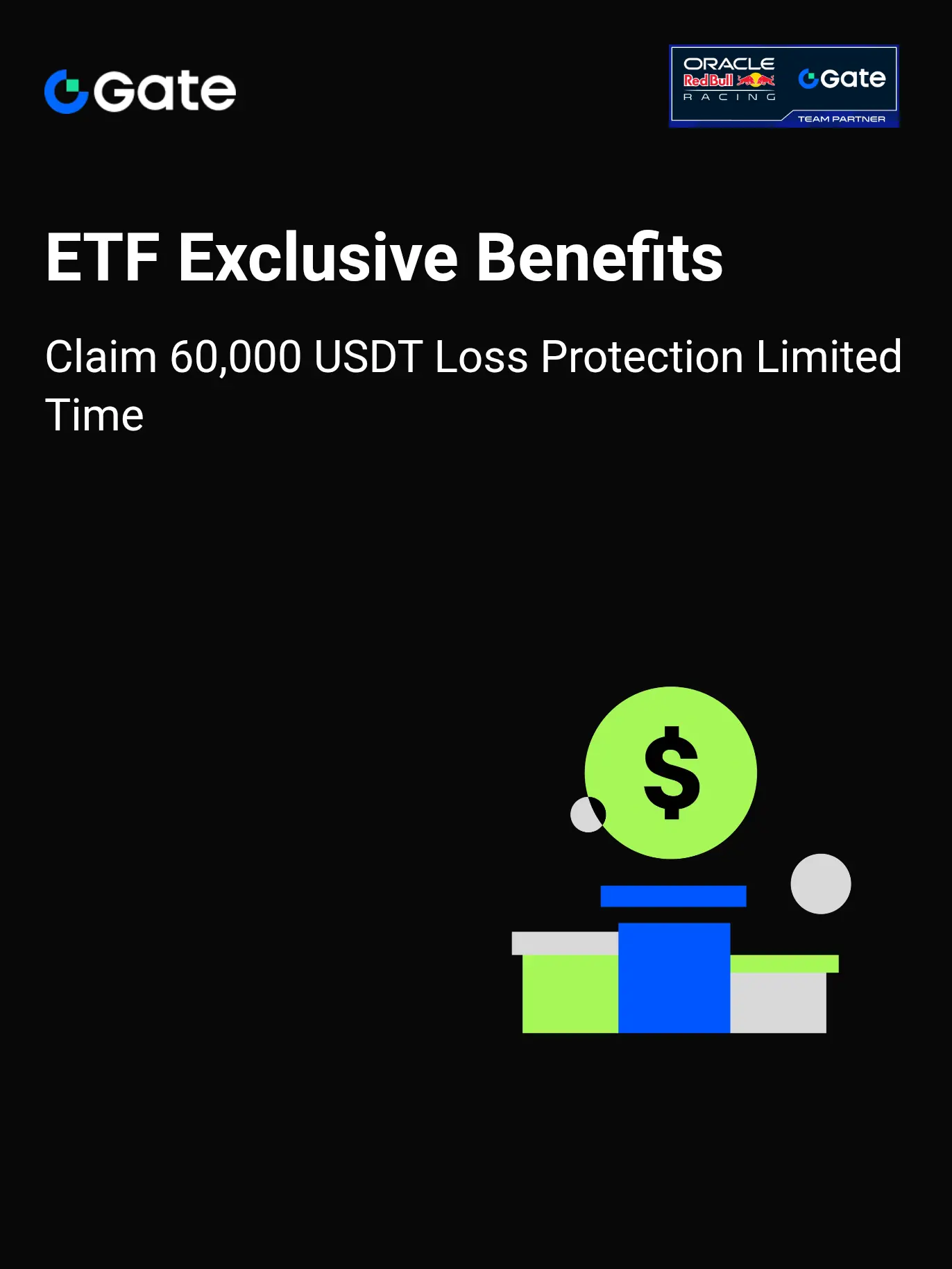
To appreciate our users' support for Gate ETF products, we are launching a limited-time "ETF Special Rewards" event with a total prize pool of 60,000 USDT. Returning users can claim a 20 USDT exclusive bonus upon trading; enjoy 100% loss protection on your first trade during the event (up to 50 USDT); and unlock up to 100 USDT in extra rewards through tiered trading challenges. https://www.gate.com/campaigns/4666?ch=2331&ref=VLJNBLTXUG&ref_type=132
post-image
  • Reward
  • 3
  • Repost
  • Share
Falcon_Official:
To The Moon 🌕
View More
  • Reward
  • 2
  • Repost
  • Share
Falcon_Official:
LFG 🔥
View More
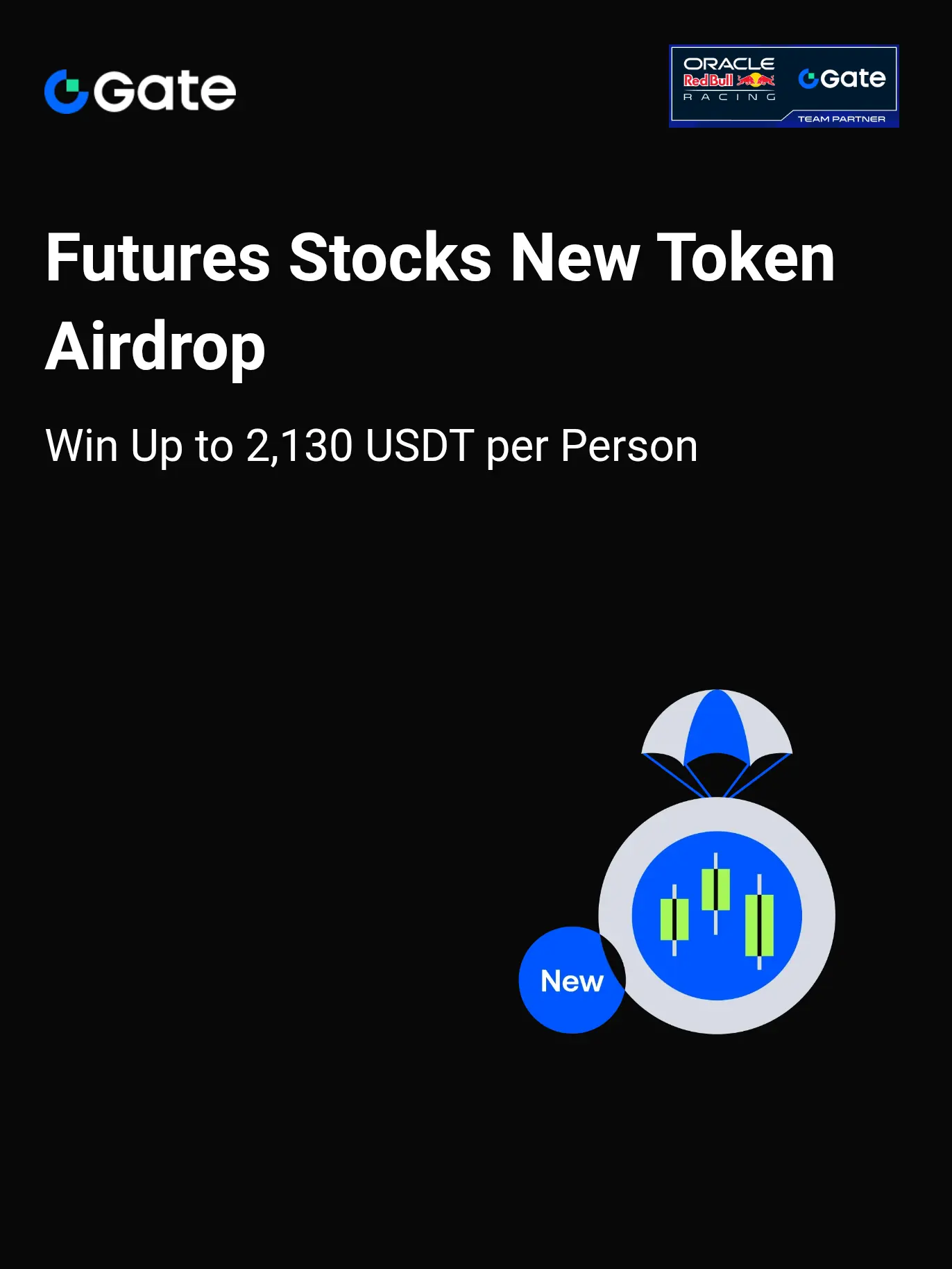
Top assets are listed in Gate Futures Stocks zone. Join the Futures Stocks Trading Challenge today. Check in daily and share 200,000 USDT in total rewards. Simple trading, exciting airdrops – don't miss out. https://www.gate.com/campaigns/4674?ch=2362&ref=VLJNBLTXUG&ref_type=132
post-image
  • Reward
  • Comment
  • Repost
  • Share
Crypto Market Rebound
1.149 views
2026-04-27 10:00
  • Reward
  • Comment
  • Repost
  • Share
  • Reward
  • 2
  • Repost
  • Share
CryptoDiscovery:
good information for sharing 💯
View More
#USMilitaryMaduroBettingScandal
Intelligence Report April 27 2026 Prediction Markets Insider Risk Structural Breakdown and Crypto Ethical Stress Test
The alleged U.S. Military Maduro betting scandal has evolved into one of the most sensitive discussions in the intersection of decentralized finance prediction markets and geopolitical intelligence systems. While surface level narratives focus on extraordinary profit generation from a relatively small capital base the deeper issue is not profit size but information asymmetry inside permissionless financial systems.
This event raises a fundament
BTC-1,72%
ETH-3,37%
post-image
[The user has shared his/her trading data. Go to the App to view more.]
  • Reward
  • 2
  • 2
  • Share
SoominStar:
To The Moon 🌕
View More
#TopCopyTradingScout
10,000 USDT Copy Trading Star Scouts Campaign Deep Ecosystem Breakdown Strategic Impact Trader Selection Framework and Market Behavior.
#跟单金牌星探 #GateCopyTrading
The ongoing Gate copy trading bounty campaign with a total reward pool of 10,000 USDT represents a structured ecosystem expansion initiative designed to strengthen the copy trading network through community driven trader discovery performance validation and external social amplification. Unlike simple promotional campaigns this event is built around behavioral finance incentives and data driven trader identificati
BTC-1,72%
post-image
post-image
post-image
  • Reward
  • 3
  • 2
  • Share
MasterChuTheOldDemonMasterChu:
Just charge forward 👊
View More
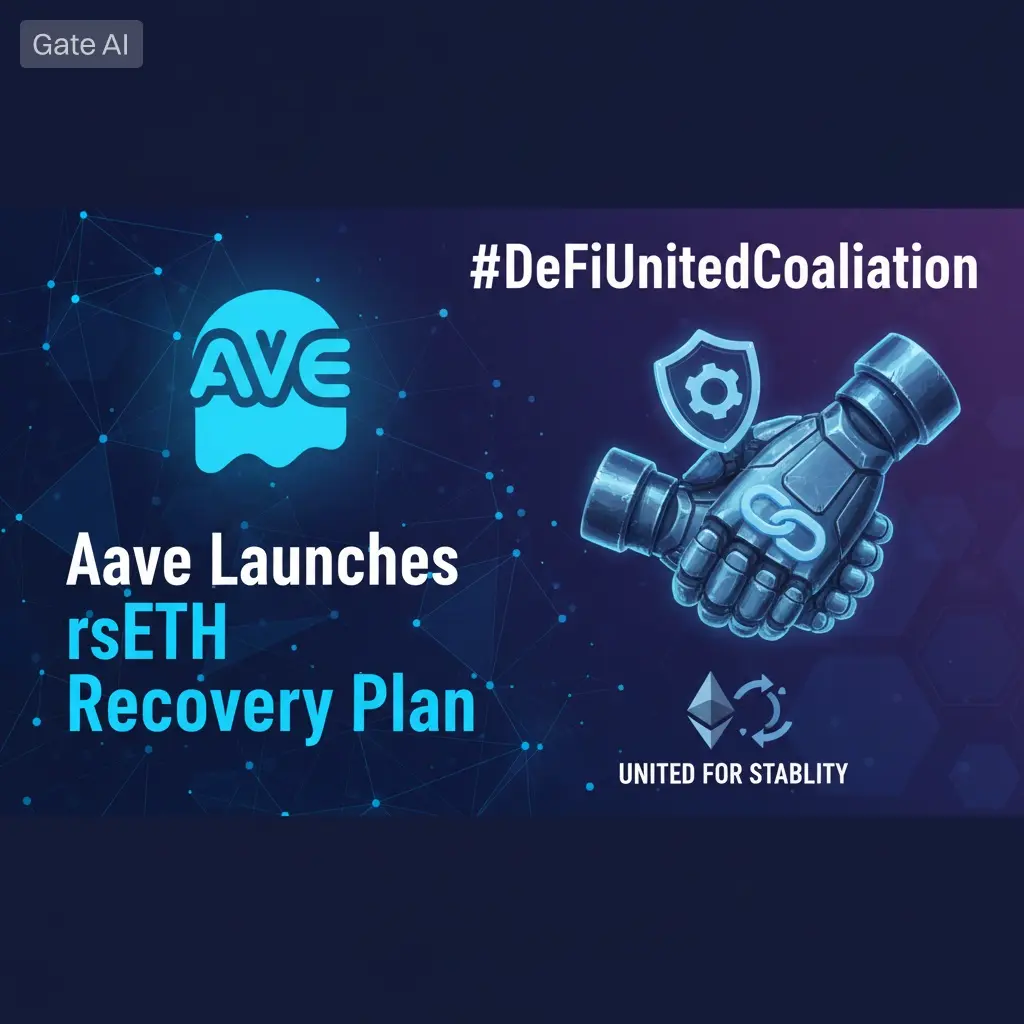
#AaveLaunchesrsETHRecoveryPlan
#DeFiUnitedCoalition April 27 2026 Deep Analysis KelpDAO $292M Exploit Recovery Aave Led Systemic Response and Market Impact Update
#加密市场行情震荡
The decentralized finance ecosystem is currently facing one of its most important stress tests in 2026 following the KelpDAO bridge exploit and the resulting $292 million rsETH shortfall. As of today April 27 2026 the situation has evolved from an isolated security incident into a broader systemic recovery coordination effort led by major DeFi protocols under the “DeFi United” initiative.
This event is not only a security
AAVE-1,26%
ENA-4,02%
ZRO-6,77%
post-image
  • Reward
  • 1
  • 1
  • Share
MasterChuTheOldDemonMasterChu:
Steadfast HODL💎
#EthereumFoundationUnstakes$48.9METH
Updated Deep Market Structure Report April 27 2026 Full Price Analysis Trend Forecast and Liquidity Breakdown
The recent Ethereum Foundation linked unstaking event valued at approximately 48.9 million USD worth of ETH has created renewed attention in the crypto market. However to properly understand its real impact we must go beyond the headline and analyze the current Ethereum market structure macro liquidity conditions institutional behavior and broader crypto cycle positioning as of April 27 2026.
This is not an isolated event. It is occurring inside a
ETH-3,37%
BTC-1,72%
post-image
  • Reward
  • 1
  • 1
  • Share
MasterChuTheOldDemonMasterChu:
Just charge forward 👊
  • Pin