

Trade
Basic
Futures
Futures
Hundreds of contracts settled in USDT or BTC
TradFi
Gold
Trade global traditional assets with USDT in one place
Options
Hot
Trade European-style vanilla options
Unified Account
Maximize your capital efficiency
Demo Trading
Futures Kickoff
Get prepared for your futures trading
Futures Events
Participate in events to win generous rewards
Demo Trading
Use virtual funds to experience risk-free trading
Earn
Launch
CandyDrop
Collect candies to earn airdrops
Launchpool
Quick staking, earn potential new tokens
HODLer Airdrop
Hold GT and get massive airdrops for free
Launchpad
Be early to the next big token project
Alpha Points
Trade on-chain assets and enjoy airdrop rewards!
Futures Points
Earn futures points and claim airdrop rewards
Investment
Simple Earn
Earn interests with idle tokens
Auto-Invest
Auto-invest on a regular basis
Dual Investment
Buy low and sell high to take profits from price fluctuations
Soft Staking
Earn rewards with flexible staking
Crypto Loan
0 Fees
Pledge one crypto to borrow another
Lending Center
One-stop lending hub
VIP Wealth Hub
Customized wealth management empowers your assets growth
Private Wealth Management
Customized asset management to grow your digital assets
Quant Fund
Top asset management team helps you profit without hassle
Staking
Stake cryptos to earn in PoS products
Smart Leverage
New
No forced liquidation before maturity, worry-free leveraged gains
GUSD Minting
Use USDT/USDC to mint GUSD for treasury-level yields

More






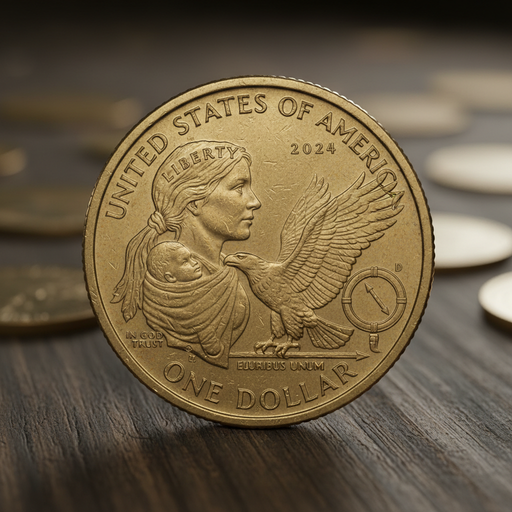
BRICS Countries Weigh De-dollarization Options as Settlement System Faces Headwinds
The push to establish an independent settlement mechanism within BRICS countries has encountered significant obstacles, yet the bloc continues exploring alternatives to dollar-based international transactions. Russian policymakers remain committed to the initiative despite mixed enthusiasm among member states, highlighting the complexities of building autonomous financial infrastructure among diverse economies.
Consensus Challenges Among BRICS Countries on Currency Alternatives
The vision of creating a unified settlement platform independent of U.S. dollar dominance has proven more difficult to implement than initially anticipated. According to Russian Finance Minister Anton Siluanov, not all BRICS countries are equally prepared to abandon dollar-denominated transactions. He noted that several nations remain content with existing dollar-based settlement mechanisms and see limited urgency for change absent external pressure.
Siluanov’s assessment reveals a fundamental tension: while BRICS countries theoretically align on reducing dollar dependence, in practice the member states maintain divergent economic priorities and risk tolerances. Nations with deeper dollar integration into their financial systems face greater technical and institutional hurdles to transitioning to alternative arrangements. The minister acknowledged that enthusiasm for an independent BRICS settlement system would likely intensify only if the United States imposed additional restrictions on member nation access to dollar-based payment systems.
Currently, certain BRICS countries do engage in bilateral trade using their national currencies, creating de facto alternatives to dollar intermediation. However, scaling this approach into a coordinated, bloc-wide mechanism remains challenging without unanimous commitment from all members.
Russia’s Pragmatic Approach: Stability Over Full De-dollarization
Rather than pursuing comprehensive de-dollarization, Russia has adopted a more measured stance focused on building resilient settlement infrastructure. Siluanov stressed that the policy objective centers on ensuring dependable transaction mechanisms, not necessarily eliminating dollar usage entirely. The distinction reflects Russia’s practical concern: the U.S. dollar’s reliability as a medium of exchange has been undermined by its weaponization through sanctions and restrictions, making it an unreliable foundation for international trade.
This pragmatism extends to Russia’s experimental legal regime governing cryptocurrency utilization in cross-border commerce. The regulatory framework enables Russian enterprises to bypass sanctions constraints by incorporating digital assets into international transactions. Rather than viewing de-dollarization as an ideological goal, Moscow frames alternative payment channels as risk mitigation strategies essential for economic resilience.
Digital Assets Emerge as Potential Solution Within BRICS
As traditional settlement alternatives face adoption barriers among BRICS countries, digital currencies and cryptocurrencies are gaining renewed attention as potential solutions. Iran, which joined the BRICS bloc in 2024, has advocated prominently for incorporating cryptocurrencies into cross-border settlement mechanisms. Belarus has similarly suggested that digital currency platforms could meaningfully reduce the dominance of the U.S. dollar in global commerce.
These initiatives reflect a broader recognition within BRICS that technological innovation may bypass some of the consensus-building challenges plaguing traditional settlement system proposals. Cryptocurrency-based transaction infrastructure could theoretically operate parallel to existing dollar systems while gradually reducing dependence on American financial intermediaries.
Despite the obstacles facing BRICS countries’ quest for monetary autonomy, the bloc maintains its trajectory toward greater financial independence. Moscow’s continued advocacy for alternative settlement mechanisms—whether through national currency arrangements, digital assets, or hybrid approaches—suggests that members remain committed to incrementally reshaping their economic relationships away from exclusive dollar dependence, even if rapid, comprehensive transformation remains elusive.