Tether has launched a new platform that aggregates data from multiple wearables and wellness apps into a single, locally processed dashboard, aiming to give users control over their biometric information.
The platform, called QVAC Health, aggregates data from fitness trackers, nutrition apps and other wearables into an encrypted dashboard that works offline, using on-device AI and peer-to-peer model downloads to analyze activity, meals, symptoms and medication logs without relying on external servers.
The app includes experimental computer-vision tools that can estimate calories and macronutrients from meal photos and can correlate those logs with data from multiple wearables to identify patterns in activity, recovery or sleep, all processed locally on the user’s device, according to a Wednesday announcement.
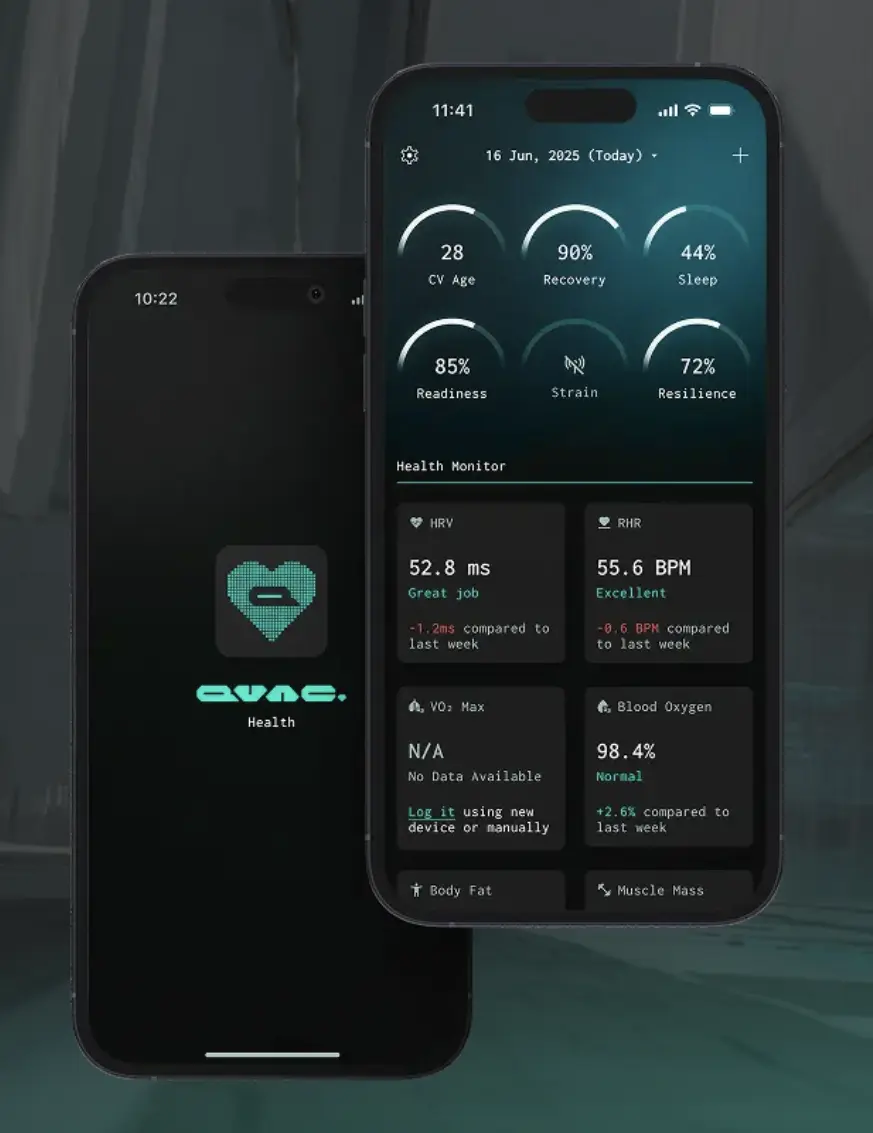 Source: QVACTether CEO Paolo Ardoino called the platform a “neutral ground for wellness data” that reflects the “company’s commitment to privacy-preserving local intelligence.”
Tether, the world’s largest stablecoin issuer, says future updates will include direct Bluetooth Low Energy connections that will let the app read data from certain wearables without routing information through manufacturer APIs or cloud services.
The platform is part of Tether Data’s QVAC project, which builds peer-to-peer, device-based AI systems designed to operate without relying on centralized platforms.
The global fitness-tracker market was valued at $52.29 billion in 2024 and is projected to grow to $189.98 billion by 2032, according to a Verified Market Research report. Major fitness-tracker manufacturers include Apple, Fitbit, Samsung, and Huawei
Related: Australian fitness firm tanks 21% on Solana treasury gamble
Privacy concerns drive new developments across crypto
Tether’s new platform aligns with comments Ardoino made in 2024, when he argued that running local AI models directly on user devices was the only reliable way to prevent data from being harvested or exposed through centralized servers.
Former White House adviser David Holtzman told Cointelegraph in December 2024 that AI-driven data aggregation and future quantum threats make large data repositories especially vulnerable.
Holtzman noted that AI can rapidly assemble behavioral and transactional data to identify targets more precisely, while future quantum attacks could break today’s encryption standards across sectors. He said decentralized systems can help reduce these risks by avoiding large, centralized data stores.
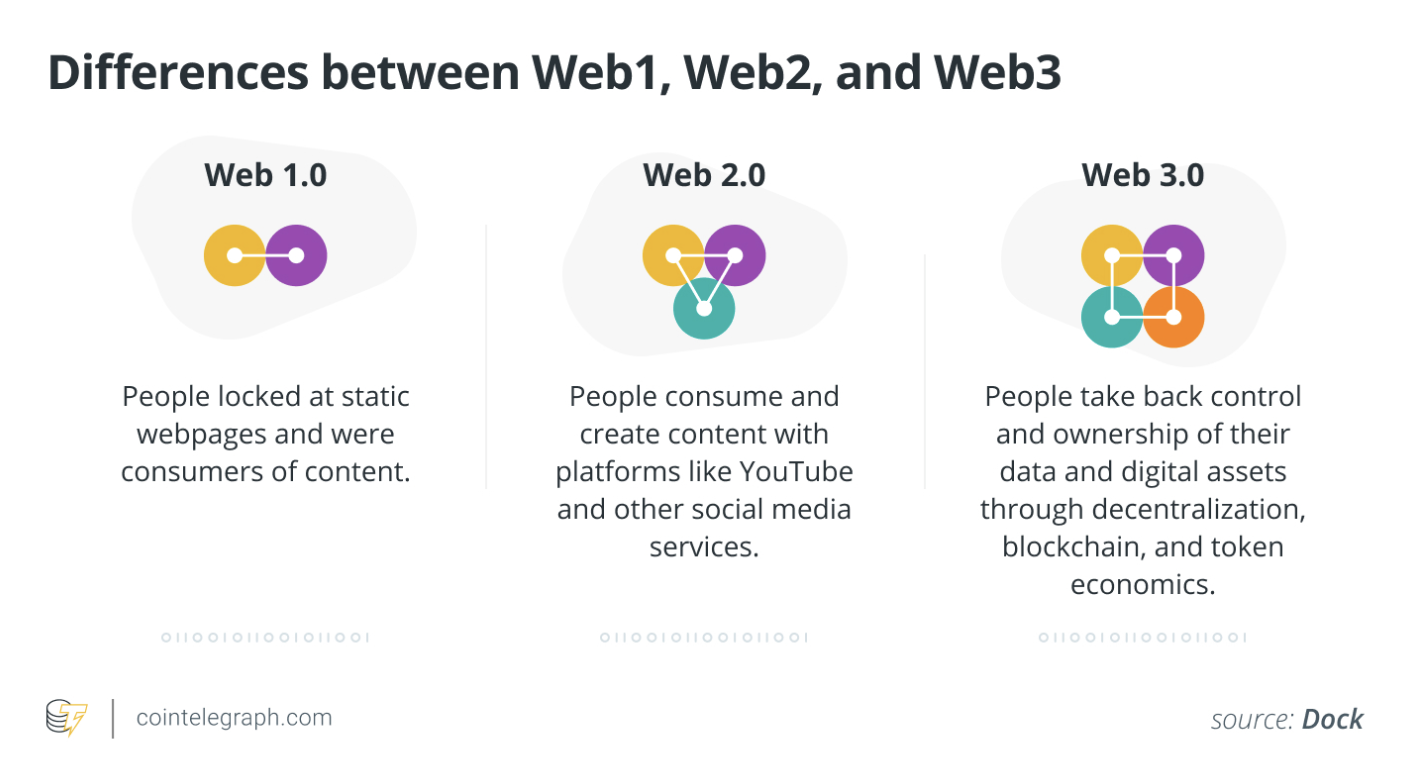 The evolution of the internet. Source: Dock/CointelegraphThe various threats to privacy have spurred some action in the crypto community. In June, Ethereum co-founder Vitalik Buterin proposed a “pluralistic identity” model — a digital ID approach that lets people prove who they are or qualify for services without exposing all of their personal information.
In December, Fortune reported that Circle is developing a privacy-enhanced stablecoin called USDCx with Aleo, designed to give institutional users banking-level transaction privacy while preserving the ability to furnish compliance records when necessary.
Growing concerns over data exposure and surveillance have also fueled renewed interest in privacy-focused cryptocurrencies, with the Zcash protocol emerging as one of the beneficiaries.
Magazine: Meet the onchain crypto detectives fighting crime better than the cops
- #Apple
- #Business
- #Samsung
- #AI
- #Tether
- #Huawei
Add reaction
![]()
Disclaimer: The information on this page may come from third parties and does not represent the views or opinions of Gate. The content displayed on this page is for reference only and does not constitute any financial, investment, or legal advice. Gate does not guarantee the accuracy or completeness of the information and shall not be liable for any losses arising from the use of this information. Virtual asset investments carry high risks and are subject to significant price volatility. You may lose all of your invested principal. Please fully understand the relevant risks and make prudent decisions based on your own financial situation and risk tolerance. For details, please refer to
Disclaimer.
Related Articles
Tether Launches BitNet LoRA Framework Across Platforms
Tether's QVAC Fabric introduces the BitNet LoRA framework, enabling AI model training on consumer devices with reduced VRAM needs and improved performance. Users can fine-tune large models on smartphones, making AI development more accessible and efficient.
CryptoFrontNews3h ago
Tether CEO Seeks User Input to Optimize Wallet Small Balance Display Method
Gate News reported that on March 20, Tether Chief Executive Officer Paolo Ardoino posted on X, stating that the team is optimizing the wallet user interface and inviting users to vote on the display format for small balances. For ultra-small balances below one cent, users can choose to display fractions precise to the cent, or select a more streamlined alternative display format. Paolo Ardoino encouraged users to participate in feedback to help the team decide on the final display effect.
GateNews7h ago
Tether Enters Bitcoin Lightning Network, USDT Seeks to Reshape Crypto Payment Landscape and On-Chain Transfer Efficiency
Tether is accelerating the introduction of USDT into the Bitcoin Lightning Network to enhance transfer efficiency and expand application scenarios. This move combines stablecoins with Bitcoin, promoting efficient payments and cross-chain application development, and is expected to improve the usability of cryptocurrency payment systems, though it faces market competition and technical challenges.
GateNews17h ago
World Gold Council Partners with BCG to Release Tokenized Gold Shared Framework, Directly Takes On Tether and Paxos
The World Gold Council and Boston Consulting Group released a white paper proposing a "Gold as a Service" framework aimed at standardizing the issuance and management of tokenized gold, challenging the existing market dominated by Paxos and Tether. The framework will lower barriers to entry and encourage greater institutional participation. However, implementation timelines and specific plans remain unclear, and whether the WGC's brand influence can shake up the existing market remains to be seen.
動區BlockTempo19h ago
World Gold Council Proposes 'Gold as a Service' Framework to Challenge Tether and Paxos
The World Gold Council (WGC), the organization behind the $163 billion SPDR Gold Shares ETF (GLD), unveiled a proposed "Gold as a Service" infrastructure framework on March 19, 2026, designed to standardize the tokenized gold market currently dominated by Tether Gold (XAUT) and PAX Gold (PAXG).
CryptopulseElite19h ago
Cantor Competes for FalconX IPO Advisory Role, Positioning for Crypto Institutional Listing Wave
Wall Street financial services firm Cantor is competing to serve as IPO advisor for crypto platform FalconX. Cantor holds a competitive advantage due to its bitcoin lending partnership with FalconX. FalconX has strengthened its business positioning through three acquisitions, but the IPO timeline has been affected by market downturns, and whether it will ultimately go public remains to be seen pending changes in market conditions.
MarketWhisper20h ago


