


Elementalist

web3を追いかける者
Elementalist
正直に言うと@TermMaxFi の製品はすでに非常に強い構造的優位性を持っていますが、今の本当のボトルネックは、コミュニティのコンテンツがまだ模倣可能な表現に形成されていないことです。
実際にいくつかの改善を行うことができます。例えば、私はこうします。ユーザーの実際の経路をテンプレートに分解します:
第1日:なぜTermMaxを選ぶのか
第3日:初めての戦略の実行感想
第7日:収益と期待の振り返り
さらに軽量なミーム画像を組み合わせて:「難しそうと思った vs 実際に触ってみた」 、重要なのは洗練さではなく、模倣可能であることです。
2人目、3人目が同じ構造でコンテンツを再現し始めると、文化が生まれ始めます。
このようなコンテンツが@3look_ioに投稿され、異なるクリエイターによって継続的に書き換えられ、二次創作され、拡散されると、@TermMaxFi の成長ロジックは「拡散」から「文化のコピー」へと変わります。
これこそが最も安定していて、最も簡単に拡大できる成長方法です。
原文表示実際にいくつかの改善を行うことができます。例えば、私はこうします。ユーザーの実際の経路をテンプレートに分解します:
第1日:なぜTermMaxを選ぶのか
第3日:初めての戦略の実行感想
第7日:収益と期待の振り返り
さらに軽量なミーム画像を組み合わせて:「難しそうと思った vs 実際に触ってみた」 、重要なのは洗練さではなく、模倣可能であることです。
2人目、3人目が同じ構造でコンテンツを再現し始めると、文化が生まれ始めます。
このようなコンテンツが@3look_ioに投稿され、異なるクリエイターによって継続的に書き換えられ、二次創作され、拡散されると、@TermMaxFi の成長ロジックは「拡散」から「文化のコピー」へと変わります。
これこそが最も安定していて、最も簡単に拡大できる成長方法です。

- 報酬
- いいね
- コメント
- リポスト
- 共有
伝統的な金融の核心能力の一つはリスクの価格設定です。
そして、オンチェーンではこの能力が長い間欠如しており、リスクはしばしば高いか低いかに単純に分類されるだけで、詳細に分解されることはありません。
@TermMaxFi は収益の分割を通じてリスクを顕在化します。
固定側は比較的低いリスクを負い、変動側はより高い変動性を負うことで、この階層化によりリスクをより明確に理解し取引できるようになっています。
現在、その製品はこのリスクの分類をサポートしており、ユーザーは参入時に自分の立ち位置を明確に把握できます。
この変化の意義は、オンチェーン上でより詳細な金融言語が使えるようになったことにあります。
私にとって、これはDeFiが成熟した市場へと進化していることを意味します。
@wallchain #Ad #Affiliate @TermMaxFi
原文表示そして、オンチェーンではこの能力が長い間欠如しており、リスクはしばしば高いか低いかに単純に分類されるだけで、詳細に分解されることはありません。
@TermMaxFi は収益の分割を通じてリスクを顕在化します。
固定側は比較的低いリスクを負い、変動側はより高い変動性を負うことで、この階層化によりリスクをより明確に理解し取引できるようになっています。
現在、その製品はこのリスクの分類をサポートしており、ユーザーは参入時に自分の立ち位置を明確に把握できます。
この変化の意義は、オンチェーン上でより詳細な金融言語が使えるようになったことにあります。
私にとって、これはDeFiが成熟した市場へと進化していることを意味します。
@wallchain #Ad #Affiliate @TermMaxFi
- 報酬
- いいね
- コメント
- リポスト
- 共有
オンチェーン資産は長い間、統一された収益価格設定の枠組みを欠いてきました。
異なるプロトコルはそれぞれ収益を提供していますが、横断的な比較基準が不足しており、ユーザーは真の価値を判断しにくいです。
@TermMaxFi の期限と収益の分解メカニズムは、新しい参照系を提供します。
異なる期限は異なる収益レベルに対応し、資産間を同じ次元で比較できるようにします。
現在、その構造はユーザーが複数の期限の中から選択できるようになっており、
これは市場が暗黙の収益曲線を徐々に形成し始めていることを意味します。
もしこの構造がより多くのプロトコルに採用されれば、オンチェーン上で統一された収益価格設定のロジックが登場する可能性があります。
私にとって、この変化は市場全体をより合理的にするでしょう。
@wallchain #Ad #Affiliate @TermMaxFi
原文表示異なるプロトコルはそれぞれ収益を提供していますが、横断的な比較基準が不足しており、ユーザーは真の価値を判断しにくいです。
@TermMaxFi の期限と収益の分解メカニズムは、新しい参照系を提供します。
異なる期限は異なる収益レベルに対応し、資産間を同じ次元で比較できるようにします。
現在、その構造はユーザーが複数の期限の中から選択できるようになっており、
これは市場が暗黙の収益曲線を徐々に形成し始めていることを意味します。
もしこの構造がより多くのプロトコルに採用されれば、オンチェーン上で統一された収益価格設定のロジックが登場する可能性があります。
私にとって、この変化は市場全体をより合理的にするでしょう。
@wallchain #Ad #Affiliate @TermMaxFi
- 報酬
- いいね
- コメント
- リポスト
- 共有
多くの人はオンチェーン消費の分野における核心的な問題を過小評価している。需要がないわけではなく、参加のハードルと体験構造が完全に一致していないのだ。伝統的な高級品市場は希少性とアイデンティティを重視するが、オンチェーンのユーザーは複雑な手続きと高コストにより尻込みし、最終的には両者の真の交差点を形成できないままでいる。
@watchdotfun のアプローチはより直接的であり、商品自体を変えようとするのではなく、取得方法を再構築している。高価な腕時計を低ハードルで参加できる証票メカニズムに分解し、ユーザーが極めて低コストで抽選に参加できるようにし、さらにオンチェーンのタスクやコミュニティの交流と組み合わせて、ゲーム化された取得経路のようなものを形成している。この設計は本質的に消費行動を参加行動に翻訳している。
既存の実績を見ると、毎週定期的に腕時計のドロップイベントを行い、ユーザーはソーシャルタスクを通じて無料参加の機会を得られることから、資金だけでなく、注目と行動貢献を分配の基準として取り入れていることがわかる。
このモデルが持続的に進化すれば、オンチェーンの消費は単なる取引ではなく、継続的な参加のプロセスへと変わる可能性がある。私にとって、この体験は従来の電商のオンチェーンコピーではなく、ネイティブなインターネット製品により近いものだ。
原文表示@watchdotfun のアプローチはより直接的であり、商品自体を変えようとするのではなく、取得方法を再構築している。高価な腕時計を低ハードルで参加できる証票メカニズムに分解し、ユーザーが極めて低コストで抽選に参加できるようにし、さらにオンチェーンのタスクやコミュニティの交流と組み合わせて、ゲーム化された取得経路のようなものを形成している。この設計は本質的に消費行動を参加行動に翻訳している。
既存の実績を見ると、毎週定期的に腕時計のドロップイベントを行い、ユーザーはソーシャルタスクを通じて無料参加の機会を得られることから、資金だけでなく、注目と行動貢献を分配の基準として取り入れていることがわかる。
このモデルが持続的に進化すれば、オンチェーンの消費は単なる取引ではなく、継続的な参加のプロセスへと変わる可能性がある。私にとって、この体験は従来の電商のオンチェーンコピーではなく、ネイティブなインターネット製品により近いものだ。

- 報酬
- いいね
- コメント
- リポスト
- 共有
ロボット業界には長い間見過ごされてきたギャップが存在している。ハードウェアの能力は絶えず向上しているが、協働の標準、タスクの表現、決済メカニズムは常に断絶しており、異なるメーカー間での互換性がなく、現実世界の労働はデジタル化や価格付けが難しい。これが、数兆ドル規模の物理労働市場が依然として閉鎖されたシステムにとどまっている理由だ。
@konnex_world のアプローチは、単一のロボット性能に焦点を当てるのではなく、統一されたタスク言語と決済体系を構築することにある。Universal Task Language とオンチェーンのスマートコントラクトを通じて、どんなロボットもタスクを理解し、契約に署名し、実行できるようになり、さらに Proof of Physical Work によって現実世界の行動を検証し、タスクの発行から決済までの閉ループを実現する。
さらに重要なのは、そのステーブルコイン決済と $KNX の階層設計により、実行と価値の捕捉を分離し、取引の安定性を確保しつつ、ネットワークのインセンティブも維持している点だ。この構造はすでにテストネット段階で、タスクの発行、検証、決済のフローを連携させることに成功している。
もしこのモデルが成立すれば、今後ロボット間の協働は中央集権的なプラットフォームに依存せず、スマートコントラクトを呼び出すように物理的能力を呼び出す形にな
原文表示@konnex_world のアプローチは、単一のロボット性能に焦点を当てるのではなく、統一されたタスク言語と決済体系を構築することにある。Universal Task Language とオンチェーンのスマートコントラクトを通じて、どんなロボットもタスクを理解し、契約に署名し、実行できるようになり、さらに Proof of Physical Work によって現実世界の行動を検証し、タスクの発行から決済までの閉ループを実現する。
さらに重要なのは、そのステーブルコイン決済と $KNX の階層設計により、実行と価値の捕捉を分離し、取引の安定性を確保しつつ、ネットワークのインセンティブも維持している点だ。この構造はすでにテストネット段階で、タスクの発行、検証、決済のフローを連携させることに成功している。
もしこのモデルが成立すれば、今後ロボット間の協働は中央集権的なプラットフォームに依存せず、スマートコントラクトを呼び出すように物理的能力を呼び出す形にな
- 報酬
- いいね
- コメント
- リポスト
- 共有
多くの人はDeFiを高頻度のギャンブルツールと見なしているが、見落とされがちな事実がある。真の大規模資金は短期的な利益ではなく、予測可能性を重視している。これが伝統的な金融において期限構造が非常に重要である理由だ。
@TermMaxFi の設計は、本質的に一つのチェーン上に収益曲線を構築していることにある。異なる期限のプールの存在を通じて、市場は将来の収益に対する価格付けを段階的に形成できる。これは単に現在の価格の反映だけではない。
既存の仕組みを見ると、ユーザーは異なるロック期間を選択でき、それに対応した異なる収益構造を持つ。この設計により、時間が取引可能な変数となる。
もしこの仕組みが成熟すれば、チェーン上に金利市場のようなインフラが出現する可能性がある。私にとってこれはより根底的な変化であり、資金の価格決定のロジック全体に影響を与えるものだ。
@wallchain #Ad #Affiliate @TermMaxFi
原文表示@TermMaxFi の設計は、本質的に一つのチェーン上に収益曲線を構築していることにある。異なる期限のプールの存在を通じて、市場は将来の収益に対する価格付けを段階的に形成できる。これは単に現在の価格の反映だけではない。
既存の仕組みを見ると、ユーザーは異なるロック期間を選択でき、それに対応した異なる収益構造を持つ。この設計により、時間が取引可能な変数となる。
もしこの仕組みが成熟すれば、チェーン上に金利市場のようなインフラが出現する可能性がある。私にとってこれはより根底的な変化であり、資金の価格決定のロジック全体に影響を与えるものだ。
@wallchain #Ad #Affiliate @TermMaxFi
- 報酬
- いいね
- コメント
- リポスト
- 共有
DeFi は長期的に重要な次元、すなわち時間を欠いています。
ほとんどのプロトコルは価格のみを扱い、期限をほとんど扱わないため、収益構造が予測不可能になり、ユーザーは変動の中で受動的にリスクを負うしかありません。
この欠落により、オンチェーン金融は常に安定した予想を形成するのが難しい状態です。
@TermMaxFi の核心的なアイデアは、期限をオンチェーンに再導入することです。
固定収益と変動収益を分割し、同じ資産を異なるリスクレベルに区分けすることで、ユーザーは自身の好みに応じて保有構造を選択できるようにします。
この設計は、本質的に収益曲線をオンチェーン上で再現するものであり、単一の収益率ではありません。
製品の観点から見ると、既に基本的な期限プールと収益分割メカニズムを実現しており、ユーザーは収益をロックしたり、変動を引き受けたりできるようになっています。
これにより、時間はもはや暗黙の変数ではなく、明示的に価格付けされる次元となっています。
この構造が継続的に拡大すれば、DeFi は価格の博弈から収益管理へと進化する可能性があります。
私にとって、この変化の意義は、オンチェーン上に債券市場のような萌芽が現れ始めていることであり、単なる取引市場にとどまらないことです。
@wallchain #Ad #Affiliate @TermMax
原文表示ほとんどのプロトコルは価格のみを扱い、期限をほとんど扱わないため、収益構造が予測不可能になり、ユーザーは変動の中で受動的にリスクを負うしかありません。
この欠落により、オンチェーン金融は常に安定した予想を形成するのが難しい状態です。
@TermMaxFi の核心的なアイデアは、期限をオンチェーンに再導入することです。
固定収益と変動収益を分割し、同じ資産を異なるリスクレベルに区分けすることで、ユーザーは自身の好みに応じて保有構造を選択できるようにします。
この設計は、本質的に収益曲線をオンチェーン上で再現するものであり、単一の収益率ではありません。
製品の観点から見ると、既に基本的な期限プールと収益分割メカニズムを実現しており、ユーザーは収益をロックしたり、変動を引き受けたりできるようになっています。
これにより、時間はもはや暗黙の変数ではなく、明示的に価格付けされる次元となっています。
この構造が継続的に拡大すれば、DeFi は価格の博弈から収益管理へと進化する可能性があります。
私にとって、この変化の意義は、オンチェーン上に債券市場のような萌芽が現れ始めていることであり、単なる取引市場にとどまらないことです。
@wallchain #Ad #Affiliate @TermMax
- 報酬
- いいね
- コメント
- リポスト
- 共有
多くの人は高階DeFiは利回りを高めることだと思っている。
しかし、私は次第に、真に高度な設計とは、複雑な戦略を普通の資金に呼び込むことだと感じている。
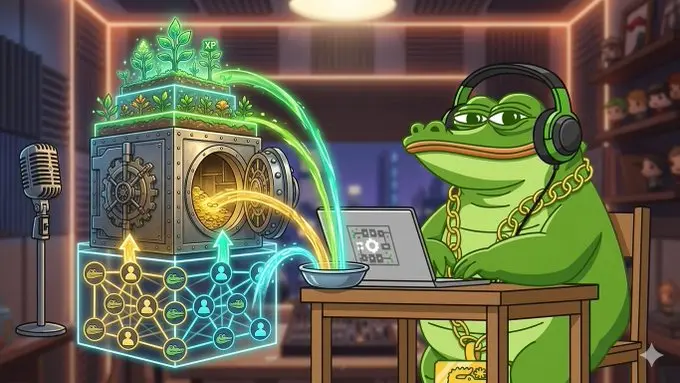
@Hypercroc_xyz をフォローした後の直感的な感覚は、従来のファームのようではなく、システム化された資産管理をオンチェーンに持ち込むようなものだ。
Momentum、Carry、Mean Reversion などの戦略フレームワークが収益ロジックに組み込まれているのは、本質的にリスク調整後の資本効率について議論しているものであり、単なるAPYの物語ではない。
これが私が $CROC に興味を持つ理由の一つだ。多くのトークンサービスの流れの中で、一部のトークンはネットワーク行動にサービスを始めている。
XP、Croc Cards、長期参加の乗数といった仕組みは、単なるインセンティブ設計だけでなく、オンチェーンの資本文化を育むようなものだ。
あるプロジェクトはユーザーに機会を追求させ、別のプロジェクトは機会を構造化している。HyperCrocは後者の感触を与えてくる。
旧DeFiが収益競争に拼じていたとすれば、新しい段階は戦略インフラの競争のようだ。
誰が専門能力を商品化できるかが、次の価値沈殿の入り口になる可能性が高い。
@Hypercroc_xyz $CROC @easydotfunX @wallchain #Ad #
原文表示しかし、私は次第に、真に高度な設計とは、複雑な戦略を普通の資金に呼び込むことだと感じている。
@Hypercroc_xyz をフォローした後の直感的な感覚は、従来のファームのようではなく、システム化された資産管理をオンチェーンに持ち込むようなものだ。
Momentum、Carry、Mean Reversion などの戦略フレームワークが収益ロジックに組み込まれているのは、本質的にリスク調整後の資本効率について議論しているものであり、単なるAPYの物語ではない。
これが私が $CROC に興味を持つ理由の一つだ。多くのトークンサービスの流れの中で、一部のトークンはネットワーク行動にサービスを始めている。
XP、Croc Cards、長期参加の乗数といった仕組みは、単なるインセンティブ設計だけでなく、オンチェーンの資本文化を育むようなものだ。
あるプロジェクトはユーザーに機会を追求させ、別のプロジェクトは機会を構造化している。HyperCrocは後者の感触を与えてくる。
旧DeFiが収益競争に拼じていたとすれば、新しい段階は戦略インフラの競争のようだ。
誰が専門能力を商品化できるかが、次の価値沈殿の入り口になる可能性が高い。
@Hypercroc_xyz $CROC @easydotfunX @wallchain #Ad #
- 報酬
- いいね
- コメント
- リポスト
- 共有
@yeyoucao @Paimon_Finance すべてのオンチェーン記録がここにあります
原文表示- 報酬
- いいね
- コメント
- リポスト
- 共有
暗号通貨界には古いジョークがあります:
買うときは自分がSpaceXに乗ったと思っているのに、損するとただのSpaceGasだったと気づく。
なぜこうなるのか?
それは、多くのいわゆる「SpaceX概念コイン」が、実は基盤にあるのはコントラクトアドレスだけで、それ以上追跡できるものが何もないからです。
しかし、@paimon_Finance の xSPCX のロジックは全く異なります。
それは物語を語るのではなく、検証可能な構造だからです。
ブロックチェーン上から見ていきましょう:
第一層は xSPCX トークンコントラクト
第二層は ERC-3643 のコンプライアンスマッピング
第三層は BVI に承認された SPV ファンドが実際の株式を保有
第四層は SpaceX の株主名簿登録
ルートは完全であり、検証可能です。
Paimon は SPV 株式構造を採用し、シンガポールの MAS 免許を持つ DigiFT で発行し、第三者による資産の托管を行い、ERC-3643 が送金とコンプライアンス流通を制限します。
つまり、各 xSPCX は単なるストーリーではなく、現実世界の株式のマッピングに対応しているのです。
現在、市場に出ている多くの「SpaceXコイン」は未来について語っていますが、問題はあなたが底層を一層調べる勇気
買うときは自分がSpaceXに乗ったと思っているのに、損するとただのSpaceGasだったと気づく。
なぜこうなるのか?
それは、多くのいわゆる「SpaceX概念コイン」が、実は基盤にあるのはコントラクトアドレスだけで、それ以上追跡できるものが何もないからです。
しかし、@paimon_Finance の xSPCX のロジックは全く異なります。
それは物語を語るのではなく、検証可能な構造だからです。
ブロックチェーン上から見ていきましょう:
第一層は xSPCX トークンコントラクト
第二層は ERC-3643 のコンプライアンスマッピング
第三層は BVI に承認された SPV ファンドが実際の株式を保有
第四層は SpaceX の株主名簿登録
ルートは完全であり、検証可能です。
Paimon は SPV 株式構造を採用し、シンガポールの MAS 免許を持つ DigiFT で発行し、第三者による資産の托管を行い、ERC-3643 が送金とコンプライアンス流通を制限します。
つまり、各 xSPCX は単なるストーリーではなく、現実世界の株式のマッピングに対応しているのです。
現在、市場に出ている多くの「SpaceXコイン」は未来について語っていますが、問題はあなたが底層を一層調べる勇気
SPCX0.11%
- 報酬
- いいね
- コメント
- リポスト
- 共有
ますます、注意力は流量の副産物ではなく、再評価されつつある資産であると信じるようになりました。
これが私が @watchdotfun に注目している理由です。
面白い点は、視聴行動を報酬メカニズムにするだけでなく、過去にプラットフォームに飲み込まれていたユーザーの注意力を再び価値配分に取り込もうとしていることです。視聴、インタラクション、タスク参加、抽選権利が同じ仕組みに組み込まれ、本質的には消費行動を生産行動に変換しています。
この視点は非常に重要で、過去はコンテンツを見るだけだったのに対し、今はコンテンツを見ることが貢献になる可能性がある、これは二つの時代です。
私が気に入っている点は、視聴を受動的な流量と捉えるのではなく、ユーザーの存在自体をネットワーク価値の源とみなしていることです。Daily quests、entries multiplier などの設計は、単なるインセンティブの工夫にとどまらず、新しい参加のパラダイムを訓練しているように見えます。
多くのプロジェクトが注意力を争う中、少数のプロジェクトだけが注意力資本化を進めており、私は Watch が後者により近いと感じています。
なぜなら、本当の大きなチャンスは、新しい需要を創造することではなく、無視されてきた価値を初めて明示化することだからです。
@wallchain #Ad #Affiliate @TermMax
原文表示これが私が @watchdotfun に注目している理由です。
面白い点は、視聴行動を報酬メカニズムにするだけでなく、過去にプラットフォームに飲み込まれていたユーザーの注意力を再び価値配分に取り込もうとしていることです。視聴、インタラクション、タスク参加、抽選権利が同じ仕組みに組み込まれ、本質的には消費行動を生産行動に変換しています。
この視点は非常に重要で、過去はコンテンツを見るだけだったのに対し、今はコンテンツを見ることが貢献になる可能性がある、これは二つの時代です。
私が気に入っている点は、視聴を受動的な流量と捉えるのではなく、ユーザーの存在自体をネットワーク価値の源とみなしていることです。Daily quests、entries multiplier などの設計は、単なるインセンティブの工夫にとどまらず、新しい参加のパラダイムを訓練しているように見えます。
多くのプロジェクトが注意力を争う中、少数のプロジェクトだけが注意力資本化を進めており、私は Watch が後者により近いと感じています。
なぜなら、本当の大きなチャンスは、新しい需要を創造することではなく、無視されてきた価値を初めて明示化することだからです。
@wallchain #Ad #Affiliate @TermMax

- 報酬
- いいね
- コメント
- リポスト
- 共有