


Futures
Hundreds of contracts settled in USDT or BTC
TradFi
Gold
One platform for global traditional assets
Options
Hot
Trade European-style vanilla options
Unified Account
Maximize your capital efficiency
Demo Trading
Futures Kickoff
Get prepared for your futures trading
Futures Events
Join events to earn rewards
Demo Trading
Use virtual funds to experience risk-free trading
Launch
CandyDrop
Collect candies to earn airdrops
Launchpool
Quick staking, earn potential new tokens
HODLer Airdrop
Hold GT and get massive airdrops for free
Launchpad
Be early to the next big token project
Alpha Points
Trade on-chain assets and earn airdrops
Futures Points
Earn futures points and claim airdrop rewards


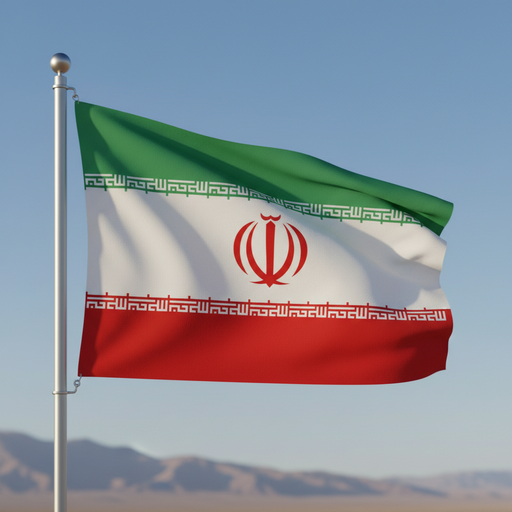
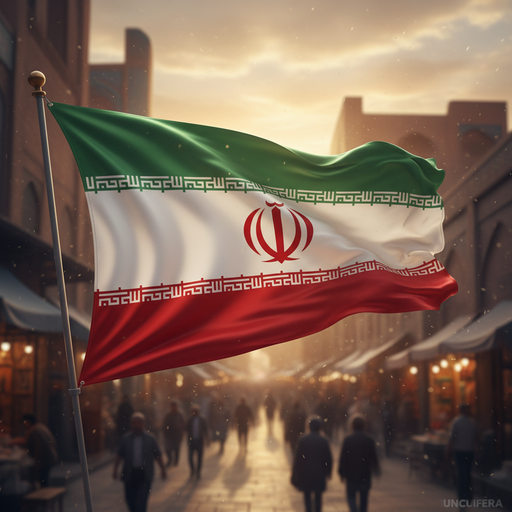

#USIranTensionsImpactMarkets
#USIranTensionsImpactMarkets — Geopolitics Sends Ripples Through Global Markets
Rising tensions between the United States and Iran are once again drawing the attention of global investors, with financial markets reacting to the growing geopolitical uncertainty. Whenever major geopolitical developments unfold, markets across commodities, equities, and cryptocurrencies often experience shifts as traders reassess risk and adjust their strategies.
Recent developments have heightened concerns about potential instability in the Middle East, a region that plays a critical role in global energy supply and international trade routes. As a result, investors around the world are closely monitoring the situation and its potential economic implications.
How Markets Are Responding
Geopolitical tensions typically influence several key areas of the global financial system. Oil prices may fluctuate due to concerns about supply disruptions, while safe-haven assets such as gold often see increased demand during periods of uncertainty.
Equity markets can also experience volatility as investors move capital toward assets perceived as more stable during uncertain times. Meanwhile, cryptocurrency markets sometimes see increased activity as traders seek alternative assets outside traditional financial systems.
Why Geopolitics Matters for Investors
Global markets are deeply interconnected, and political developments between major nations can quickly influence investor sentiment. Even the possibility of conflict, sanctions, or diplomatic escalation can trigger movements across multiple asset classes.
Investors typically respond by reassessing risk exposure, diversifying portfolios, and closely tracking news developments that may signal either escalation or de-escalation.
Key Market Areas to Watch
• Energy prices, particularly crude oil
• Safe-haven assets like gold
• Global stock market volatility
• Currency fluctuations
• Cryptocurrency market sentiment
The Bigger Picture
While geopolitical tensions can create short-term market volatility, financial systems have historically demonstrated resilience over time. Investors often focus on long-term fundamentals while navigating short-term uncertainty caused by political developments.
As the situation evolves, markets will continue to react to diplomatic signals, policy decisions, and international responses.
In an interconnected global economy, geopolitical developments can move markets quickly—making awareness and informed decision-making more important than ever.