#MARATransfers250BTC
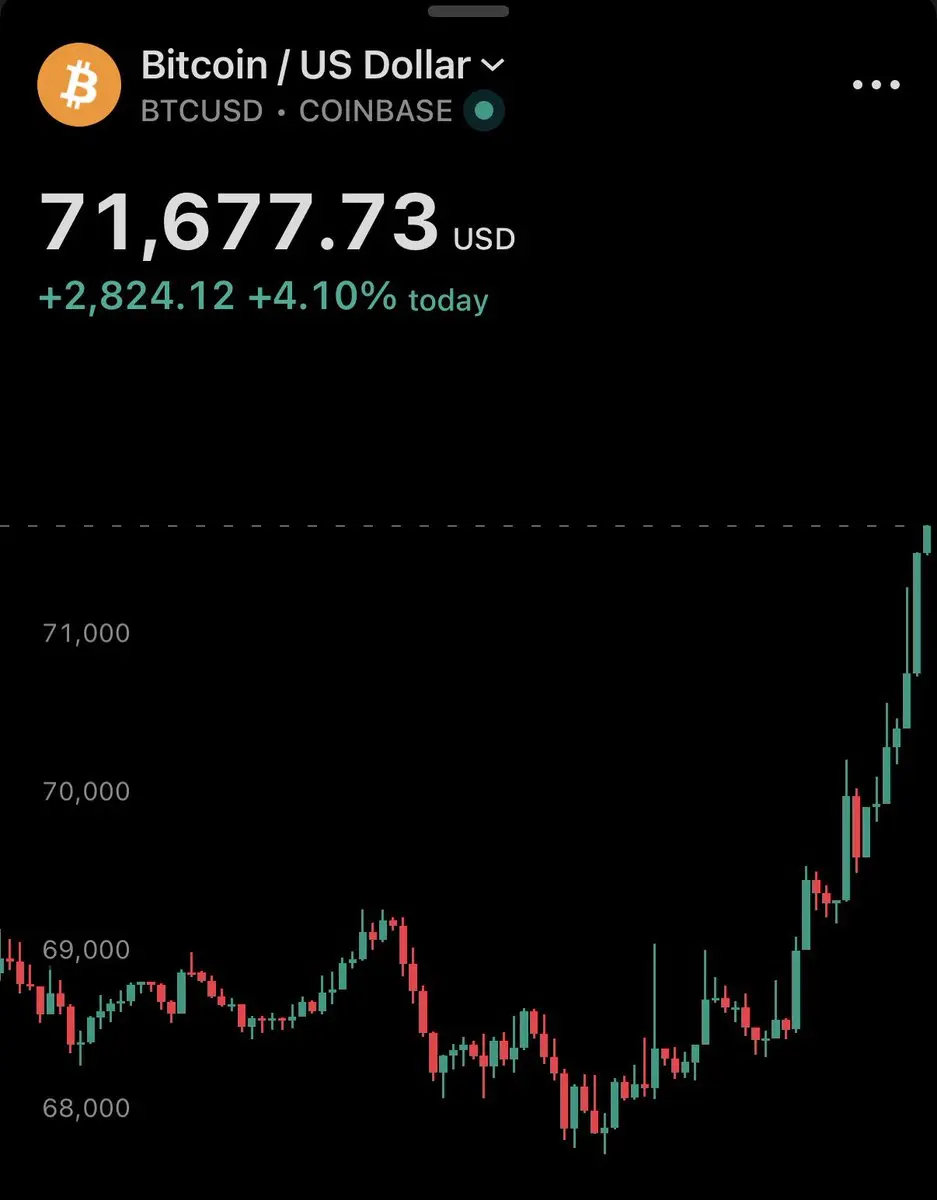
Bitcoin miner MARA (@MARA) recently moved 250 BTC, valued at approximately $17.37 million USD, just three hours ago. This follows a series of large-scale transactions by the company, which previously sold 15,133 BTC—worth around $1.1 billion USD—between March 4 and March 25. These transactions provide a clear window into miner behavior and its potential impact on market dynamics, liquidity, and investor sentiment.
From a market perspective, miner sales of this magnitude can influence short-term price action. Large BTC transfers often signal increased supply entering exchanges, which can temporarily add downward pressure, particularly if demand does not absorb the inflow immediately. Traders and analysts closely watch these movements to gauge potential liquidation risk, market liquidity, and support levels. Despite Bitcoin’s long-term scarcity, concentrated selling by major miners introduces episodic volatility, as the market reacts to the sudden availability of significant coin volumes.
Operationally, miner sales are often tied to capital allocation, operational costs, or strategic hedging. Bitcoin mining is an energy-intensive activity, and fluctuations in electricity costs, equipment upgrades, or broader macroeconomic conditions can drive miners to liquidate holdings to maintain liquidity. For MARA, selling BTC in multiple tranches—including the latest 250 BTC transfer—likely reflects a strategy to manage exposure while minimizing slippage and maintaining operational stability.
On-chain analysis provides additional context. Observing the timing, size, and destination of these BTC movements can reveal whether coins are being transferred to OTC desks, exchanges, or cold storage, which in turn helps estimate the likelihood of market absorption versus immediate selling pressure. Investors often interpret repeated transfers by miners as signals of potential near-term volatility, while also considering broader trends, such as adoption, network activity, and institutional accumulation.
Key Takeaways:
Miner activity can create short-term liquidity pressure, impacting BTC price even amid bullish long-term fundamentals.
MARA’s incremental sales strategy reflects risk management and operational planning, rather than panic selling.
Tracking miner transfers is essential for understanding market structure, liquidity zones, and potential price support levels.
For traders, awareness of miner behavior helps anticipate periods of higher volatility and align trading strategies accordingly.
Final Insight:
The ongoing BTC transfers by MARA demonstrate that miner activity remains a critical factor in Bitcoin’s market ecosystem. While large-scale miner sales can temporarily influence price, they also provide transparency into how major network participants manage risk and liquidity. Monitoring these movements allows traders and investors to make informed decisions, assess short-term market dynamics, and anticipate potential opportunities or pressures in Bitcoin’s price behavior.
#GateSquareAprilPostingChallenge
#CreatorLeaderboard
Bitcoin miner MARA (@MARA) recently moved 250 BTC, valued at approximately $17.37 million USD, just three hours ago. This follows a series of large-scale transactions by the company, which previously sold 15,133 BTC—worth around $1.1 billion USD—between March 4 and March 25. These transactions provide a clear window into miner behavior and its potential impact on market dynamics, liquidity, and investor sentiment.
From a market perspective, miner sales of this magnitude can influence short-term price action. Large BTC transfers often signal increased supply entering exchanges, which can temporarily add downward pressure, particularly if demand does not absorb the inflow immediately. Traders and analysts closely watch these movements to gauge potential liquidation risk, market liquidity, and support levels. Despite Bitcoin’s long-term scarcity, concentrated selling by major miners introduces episodic volatility, as the market reacts to the sudden availability of significant coin volumes.
Operationally, miner sales are often tied to capital allocation, operational costs, or strategic hedging. Bitcoin mining is an energy-intensive activity, and fluctuations in electricity costs, equipment upgrades, or broader macroeconomic conditions can drive miners to liquidate holdings to maintain liquidity. For MARA, selling BTC in multiple tranches—including the latest 250 BTC transfer—likely reflects a strategy to manage exposure while minimizing slippage and maintaining operational stability.
On-chain analysis provides additional context. Observing the timing, size, and destination of these BTC movements can reveal whether coins are being transferred to OTC desks, exchanges, or cold storage, which in turn helps estimate the likelihood of market absorption versus immediate selling pressure. Investors often interpret repeated transfers by miners as signals of potential near-term volatility, while also considering broader trends, such as adoption, network activity, and institutional accumulation.
Key Takeaways:
Miner activity can create short-term liquidity pressure, impacting BTC price even amid bullish long-term fundamentals.
MARA’s incremental sales strategy reflects risk management and operational planning, rather than panic selling.
Tracking miner transfers is essential for understanding market structure, liquidity zones, and potential price support levels.
For traders, awareness of miner behavior helps anticipate periods of higher volatility and align trading strategies accordingly.
Final Insight:
The ongoing BTC transfers by MARA demonstrate that miner activity remains a critical factor in Bitcoin’s market ecosystem. While large-scale miner sales can temporarily influence price, they also provide transparency into how major network participants manage risk and liquidity. Monitoring these movements allows traders and investors to make informed decisions, assess short-term market dynamics, and anticipate potential opportunities or pressures in Bitcoin’s price behavior.
#GateSquareAprilPostingChallenge
#CreatorLeaderboard