


Futures
Access hundreds of perpetual contracts
TradFi
Gold
One platform for global traditional assets
Options
Hot
Trade European-style vanilla options
Unified Account
Maximize your capital efficiency
Demo Trading
Introduction to Futures Trading
Learn the basics of futures trading
Futures Events
Join events to earn rewards
Demo Trading
Use virtual funds to practice risk-free trading
Launch
CandyDrop
Collect candies to earn airdrops
Launchpool
Quick staking, earn potential new tokens
HODLer Airdrop
Hold GT and get massive airdrops for free
Launchpad
Be early to the next big token project
Alpha Points
Trade on-chain assets and earn airdrops
Futures Points
Earn futures points and claim airdrop rewards


More




#MiddleEastTensionsTriggerMarketSelloff
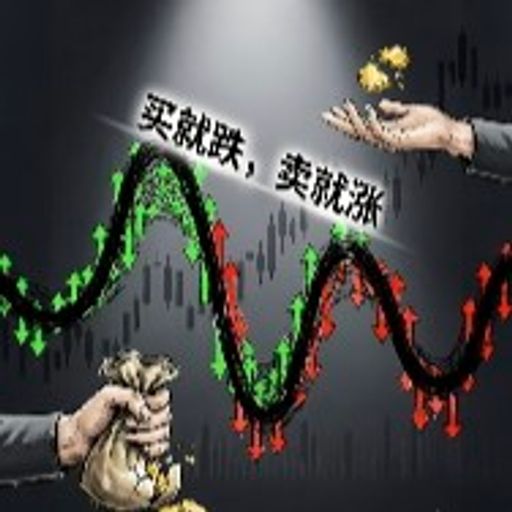
Financial markets are deeply interconnected with global geopolitical developments. Whenever political instability emerges in strategically important regions, the ripple effects often spread rapidly across international markets. The recent wave of volatility associated with the hashtag #MiddleEastTensionsTriggerMarketSelloff demonstrates how geopolitical uncertainty can immediately influence investor behavior, asset prices, and global financial stability.
The Middle East has historically been one of the most geopolitically sensitive regions in the world. Because of its critical role in global energy supply and its strategic political alliances, even minor escalations in regional tensions can cause significant reactions in financial markets. When uncertainty increases, investors tend to shift their portfolios toward safer assets while reducing exposure to riskier markets.
In recent days, escalating tensions across several Middle Eastern areas have triggered a noticeable selloff in equities, cryptocurrencies, and other speculative assets. Market participants reacted quickly as news of political developments spread across financial media and trading platforms. This reaction illustrates how closely financial markets are tied to geopolitical stability.
The Relationship Between Geopolitics and Financial Markets
Geopolitical developments have always played a powerful role in shaping global markets. Events such as military conflicts, diplomatic disputes, and economic sanctions can create uncertainty about the future stability of trade routes, energy supplies, and international economic cooperation.
When uncertainty rises, investors often reduce their exposure to assets perceived as volatile. This behavior leads to what economists frequently describe as a risk off environment, where traders prefer defensive assets over speculative investments.
Historically, geopolitical shocks have triggered market reactions across multiple asset classes simultaneously. Equity markets may decline, commodity prices may fluctuate sharply, and alternative markets such as cryptocurrencies may experience sudden volatility.
Why the Middle East Matters to Global Markets
The Middle East holds extraordinary strategic importance for the global economy. Several of the world's largest oil producing nations are located in this region, including Saudi Arabia, Iran, and Iraq. These countries collectively supply a significant portion of the world's crude oil.
Any political instability affecting these energy producers can immediately influence oil prices. Rising oil prices increase costs across many industries, affecting transportation, manufacturing, and consumer goods.
Furthermore, the region sits along several critical maritime trade routes, including the Strait of Hormuz, one of the most important shipping channels for global oil transportation. Even the possibility of disruptions in this passage can trigger panic in energy markets.
Because of these factors, geopolitical tensions in the Middle East often extend far beyond regional politics and quickly become global economic concerns.
Immediate Impact on Financial Markets
The recent escalation in regional tensions has triggered widespread selling pressure across several asset classes.
Global equity markets experienced noticeable declines as investors sought to reduce exposure to risk sensitive sectors. Technology stocks, emerging market equities, and high growth companies were among the sectors most affected.
Cryptocurrency markets also reacted strongly to the geopolitical uncertainty. Digital assets are often considered speculative investments, and during periods of global tension traders frequently shift funds toward more stable assets.
Commodities markets displayed mixed reactions. Oil prices showed upward momentum due to concerns about potential supply disruptions, while other commodities experienced volatility as traders reassessed global demand expectations.
Investor Psychology During Geopolitical Crises
Financial markets are not driven solely by economic fundamentals. Investor psychology plays a crucial role in determining market movements, especially during periods of uncertainty.
When geopolitical tensions escalate, investors often respond emotionally rather than analytically. Fear of unexpected developments can lead to rapid selling even in markets that are not directly connected to the geopolitical event.
This phenomenon is sometimes described as flight to safety, where investors move capital into assets traditionally considered safe havens.
Examples of safe haven assets include government bonds, precious metals such as Gold, and reserve currencies like the United States Dollar.
As capital flows into these assets, riskier investments may experience temporary declines.
Historical Precedents
The relationship between Middle Eastern tensions and global market reactions has been observed many times throughout modern financial history.
Events such as regional conflicts, diplomatic crises, and energy supply disruptions have repeatedly triggered market volatility. Investors closely monitor developments in this region because the consequences can extend to energy prices, inflation, and international trade.
While markets often react strongly in the short term, they also tend to stabilize once uncertainty begins to decrease or diplomatic solutions emerge.
Impact on the Cryptocurrency Market
The cryptocurrency market has become increasingly integrated with global macroeconomic trends. In earlier years, digital assets were often perceived as independent from traditional financial systems. However, recent market behavior suggests that cryptocurrencies are now influenced by many of the same factors affecting traditional assets.
During geopolitical crises, crypto markets may experience both selling pressure and increased volatility. Some investors view digital assets as speculative risk assets, while others consider them potential alternatives to traditional financial systems.
This divided perception can create unpredictable market movements when geopolitical events occur.
Energy Markets and Inflation Concerns
One of the most significant consequences of Middle Eastern tensions involves the potential impact on global energy markets. If political instability threatens oil production or transportation, energy prices may rise rapidly.
Higher oil prices can contribute to global inflation by increasing the cost of transportation, manufacturing, and electricity generation. Inflation concerns often influence central bank policies, interest rates, and currency markets.
As a result, geopolitical tensions in energy producing regions can indirectly influence monetary policy decisions across the world.
Possible Future Scenarios
The future trajectory of financial markets will depend largely on how geopolitical developments evolve in the coming weeks.
If tensions escalate further, markets may continue to experience volatility as investors adjust their risk exposure. Energy prices could remain elevated, and safe haven assets may continue attracting capital.
On the other hand, diplomatic negotiations or de escalation efforts could help stabilize markets and restore investor confidence.
Financial markets tend to recover quickly once uncertainty begins to fade, particularly if economic fundamentals remain strong.
Strategic Considerations for Investors
During periods of geopolitical uncertainty, investors often focus on diversification and risk management. Maintaining balanced portfolios across multiple asset classes can help reduce exposure to sudden market shocks.
Some investors also adopt a longer term perspective, recognizing that short term geopolitical volatility does not always alter the fundamental trajectory of global economic growth.
Careful analysis, disciplined strategy, and patience often become especially important during turbulent market conditions.
Conclusion
The market reaction highlighted by the hashtag #MiddleEastTensionsTriggerMarketSelloff illustrates the powerful relationship between geopolitics and global financial systems. Political developments in strategically important regions such as the Middle East can quickly influence investor sentiment, energy prices, and market stability across the world.
While short term volatility may continue as events unfold, financial markets historically demonstrate resilience once uncertainty begins to decline. Investors therefore closely monitor geopolitical developments while balancing caution with long term strategic thinking.
The intersection of politics, economics, and market psychology ensures that global events will continue to shape financial markets in profound and often unpredictable ways.