


Futures
Access hundreds of perpetual contracts
TradFi
Gold
One platform for global traditional assets
Options
Hot
Trade European-style vanilla options
Unified Account
Maximize your capital efficiency
Demo Trading
Introduction to Futures Trading
Learn the basics of futures trading
Futures Events
Join events to earn rewards
Demo Trading
Use virtual funds to practice risk-free trading
Launch
CandyDrop
Collect candies to earn airdrops
Launchpool
Quick staking, earn potential new tokens
HODLer Airdrop
Hold GT and get massive airdrops for free
Launchpad
Be early to the next big token project
Alpha Points
Trade on-chain assets and earn airdrops
Futures Points
Earn futures points and claim airdrop rewards


More





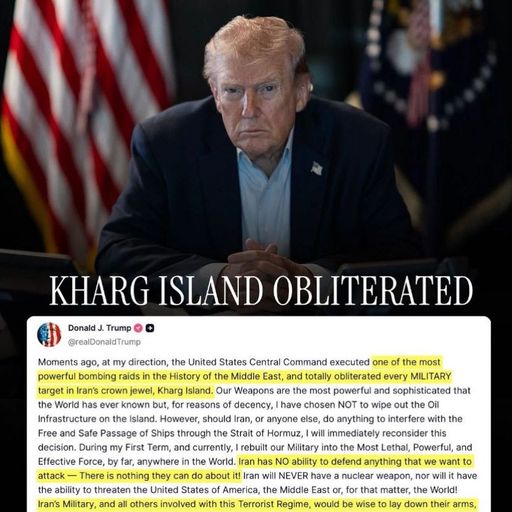
#USPlansMultinationalEscortForHormuz
The Strait of Hormuz, a critical chokepoint for global energy security, has once again moved to the center of the international agenda in recent days. Reports that the United States is working on a multinational naval escort plan to protect commercial vessels in the region are being closely watched by both energy markets and geopolitical observers.
The Strait of Hormuz is known as a strategic passage through which approximately 20% of the world’s oil trade flows. For oil and LNG tankers departing from the Persian Gulf, this narrow waterway serves as one of the most vital arteries of the global energy supply chain. For that reason, any security development in the region tends to have an immediate impact on oil prices and broader financial markets.
In recent weeks, rising regional tensions and security risks affecting certain commercial vessels have pushed Washington to consider a new maritime security framework. The core objective of the plan is to protect energy tankers transiting the strait through coordinated international naval presence. Within this framework, the United States is reportedly evaluating the creation of a multinational escort mechanism together with several European and Asian partners.
According to experts, such an initiative is not merely a military precaution but also a strategic signal aimed at maintaining stability in global energy markets. Any disruption in the Strait of Hormuz could trigger sharp increases in oil prices, potentially placing significant pressure on global inflation and economic stability.
Energy markets are therefore closely monitoring these developments. Historically, oil prices tend to move upward during periods of geopolitical uncertainty, while initiatives designed to ensure safe maritime transportation can help limit volatility and maintain confidence in the global supply chain. In this context, the potential implementation of a multinational escort system is viewed as an important step toward safeguarding energy flows.
From a geopolitical perspective, the plan is not only about regional security but also about protecting global trade routes. Considering that millions of barrels of oil and substantial volumes of LNG pass through the Strait of Hormuz every day, maintaining stability in this corridor is essential for the balance of the global economy.
Looking at the broader picture, the proposed multinational escort initiative by the United States stands out as a strategic move that simultaneously addresses energy security, maritime trade, and geopolitical balance. If implemented with broad international participation, it could help ensure the continuity of commercial traffic through the Strait of Hormuz and reinforce confidence across global energy markets.