


Futures
Access hundreds of perpetual contracts
TradFi
Gold
One platform for global traditional assets
Options
Hot
Trade European-style vanilla options
Unified Account
Maximize your capital efficiency
Demo Trading
Introduction to Futures Trading
Learn the basics of futures trading
Futures Events
Join events to earn rewards
Demo Trading
Use virtual funds to practice risk-free trading
Launch
CandyDrop
Collect candies to earn airdrops
Launchpool
Quick staking, earn potential new tokens
HODLer Airdrop
Hold GT and get massive airdrops for free
Launchpad
Be early to the next big token project
Alpha Points
Trade on-chain assets and earn airdrops
Futures Points
Earn futures points and claim airdrop rewards


More




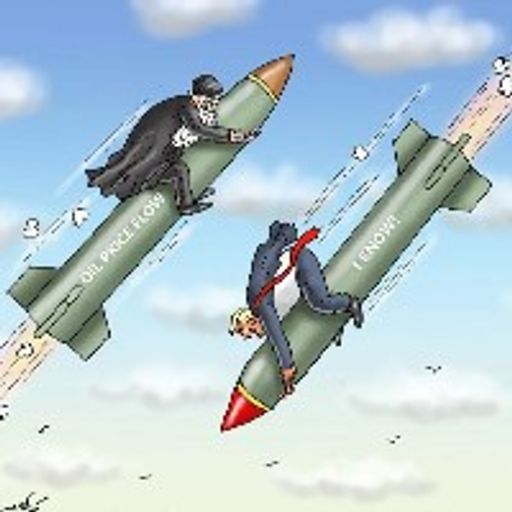

#CrudeOilPriceRose
The global oil market has entered another phase of intense volatility as crude prices surge amid geopolitical tensions and tightening supply expectations. Over the past few weeks, the market has experienced dramatic swings, with benchmark prices climbing sharply and briefly pushing above the $100 per barrel level. This rally reflects a complex mix of geopolitical risk, supply disruptions, and speculative momentum across global energy markets.
Currently, the two main global oil benchmarks Brent Crude and West Texas Intermediate (WTI) are trading significantly higher than earlier in the year. Brent crude has surged past the psychological $100 mark during recent trading sessions, while WTI has also seen major gains as supply fears intensify. In some sessions, prices have even spiked above $110 per barrel, reflecting how sensitive the market is to geopolitical developments.
So what exactly is driving this surge, and where might oil prices head next?
The Geopolitical Risk Premium
The biggest factor behind the current rally is geopolitical tension in the Middle East. In particular, concerns surrounding disruptions in the Strait of Hormuz a narrow but crucial shipping lane responsible for nearly 20% of global oil transport have triggered panic buying in energy markets.
When traders believe supply could be interrupted, they immediately price that risk into futures markets. Even the possibility of tanker disruptions or shipping delays can send oil prices sharply higher.
Recent escalations in the region have intensified fears that oil shipments could slow down or even temporarily stop. Such scenarios push traders and investors to hedge against potential shortages, leading to a rapid rise in oil futures.
Supply vs Demand: The Current Balance
While geopolitics is dominating headlines, the fundamental supply-demand balance also plays a major role.
On the supply side, global producers have limited spare capacity. Although some producers may increase production, it takes time to bring additional barrels into the market. Meanwhile, strategic reserves from major economies may be released to stabilize prices if disruptions worsen.
Demand, however, remains relatively resilient. Emerging economies continue to increase energy consumption, and industrial activity across many regions remains strong. Seasonal demand for transportation fuels and power generation is also contributing to steady consumption.
Because supply cannot quickly adjust to shocks, the market reacts strongly whenever supply risks appear.
The Winners of the Oil Rally
Rising oil prices create clear winners and losers.
Oil-producing nations and large energy companies are the primary beneficiaries. Higher prices translate directly into stronger revenues and increased profit margins for producers. National budgets in oil-exporting countries also benefit when crude prices climb.
Energy stocks and commodities traders often see gains during these periods as well. Volatility provides opportunities for traders who can correctly anticipate price swings.
On the other hand, oil-importing economies face rising energy costs, which can increase inflation and pressure economic growth. Higher fuel prices affect transportation, manufacturing, and everyday consumer spending.
Market Volatility: The New Normal
The current oil rally highlights one key reality oil markets are now more sensitive to geopolitical news than ever before.
Prices have already shown dramatic swings in recent weeks, rising rapidly and then pulling back when political statements suggest potential de-escalation. These sudden shifts demonstrate how quickly sentiment can change.
Investors are closely watching three major indicators:
• Developments in Middle East tensions
• Production decisions by major oil producers
• Global economic growth and demand trends
Any change in these factors could trigger another major move.
Predicting the Next Price Move
Looking ahead, the next direction for crude oil will depend heavily on geopolitical developments.
If tensions escalate further and supply disruptions continue, oil prices could remain above $100 per barrel and potentially move even higher. Some analysts warn that in a severe supply crisis, prices could even approach historical highs seen during past energy shocks.
However, if diplomatic progress is made and shipping routes stabilize, the current “risk premium” in oil prices could fade quickly. In that scenario, prices may retreat back toward the $70–$80 range later in the year as supply chains normalize.
Final Thoughts
The oil market today is a high-stakes game shaped by geopolitics, supply constraints, and investor sentiment. Producers currently hold the advantage as prices surge, but the market remains extremely fragile.
For traders and investors, the key is staying alert. Oil prices can move dramatically within hours based on global developments.
One thing is certain: as long as geopolitical tensions remain high and supply risks linger, the crude oil market will continue to be one of the most closely watched and unpredictable sectors in the global economy.