

Trade
Basic
Futures
Futures
Hundreds of contracts settled in USDT or BTC
TradFi
Gold
Trade global traditional assets with USDT in one place
Options
Hot
Trade European-style vanilla options
Unified Account
Maximize your capital efficiency
Demo Trading
Futures Kickoff
Get prepared for your futures trading
Futures Events
Participate in events to win generous rewards
Demo Trading
Use virtual funds to experience risk-free trading
Earn
Launch
CandyDrop
Collect candies to earn airdrops
Launchpool
Quick staking, earn potential new tokens
HODLer Airdrop
Hold GT and get massive airdrops for free
Launchpad
Be early to the next big token project
Alpha Points
Trade on-chain assets and enjoy airdrop rewards!
Futures Points
Earn futures points and claim airdrop rewards
Investment
Simple Earn
Earn interests with idle tokens
Auto-Invest
Auto-invest on a regular basis
Dual Investment
Buy low and sell high to take profits from price fluctuations
Soft Staking
Earn rewards with flexible staking
Crypto Loan
0 Fees
Pledge one crypto to borrow another
Lending Center
One-stop lending hub
VIP Wealth Hub
Customized wealth management empowers your assets growth
Private Wealth Management
Customized asset management to grow your digital assets
Quant Fund
Top asset management team helps you profit without hassle
Staking
Stake cryptos to earn in PoS products
Smart Leverage
New
No forced liquidation before maturity, worry-free leveraged gains
GUSD Minting
Use USDT/USDC to mint GUSD for treasury-level yields

More


Trending Topics
View More37.94K Popularity
70.31K Popularity
15.97K Popularity
42.16K Popularity
252.06K Popularity




Pin
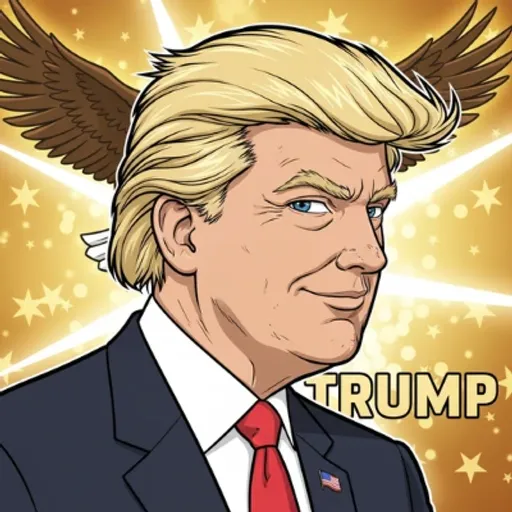
Trump Stirs Political Conflict Over Federal Reserve Leadership
Recent developments have stirred considerable debate in Congress regarding the intersection of U.S. political disputes and monetary policy. According to market observers citing Odaily, the Trump administration’s legal actions targeting the current Federal Reserve leadership have created unexpected friction within Republican ranks, potentially complicating the path to interest rate adjustments that many market participants await.
The Core Issue - Interest Rate Policy at Stake
Before the Federal Reserve can move forward with anticipated interest rate cuts, stakeholders note that the administration may need to de-escalate its confrontational stance. The controversy centers on Trump’s criminal lawsuit against Powell, which has alienated several GOP allies on Capitol Hill. Market analysts indicate that this dispute threatens to delay or obstruct key Federal Reserve operational decisions that depend on stable leadership transitions.
Congressional Standoff Threatens Fed Chair Confirmation
The political impasse has prompted strong responses from influential lawmakers. Republican Senator Tillis has taken a firm stance, committing to obstruct all Federal Reserve nominations until the legal proceedings are resolved. Despite signals that capitulation might ease tensions, Trump has shown no indication of backing down. In fact, the President has indicated his readiness to pursue alternative strategies, even if it means waiting until Tillis’s retirement in January 2027 before seeking Senate approval for his preferred Fed nominee, Walsh.
Market Implications of Political Gridlock
This protracted disagreement between branches highlights an underlying tension between political priorities and institutional stability. The longer the standoff persists, the greater the uncertainty surrounding Federal Reserve leadership continuity and policy direction. For investors monitoring monetary policy, the resolution of this political conflict has direct implications for rate trajectory and economic forecasting in coming months.