

Trade
Basic
Futures
Futures
Hundreds of contracts settled in USDT or BTC
Options
HOT
Trade European-style vanilla options
Unified Account
Maximize your capital efficiency
Demo Trading
Futures Kickoff
Get prepared for your futures trading
Futures Events
Futures Mall
Participate in events to win generous rewards
Demo Trading
Use virtual funds to experience risk-free trading
Earn
Launch
CandyDrop
Collect candies to earn airdrops
Launchpool
Quick staking, earn potential new tokens
HODLer Airdrop
Hold GT and get massive airdrops for free
Launchpad
Be early to the next big token project
Alpha Points
NEW
Trade on-chain assets and enjoy airdrop rewards!
Futures Points
NEW
Earn futures points and claim airdrop rewards
Investment
Simple Earn
Earn interests with idle tokens
Auto-Invest
Auto-invest on a regular basis
Dual Investment
Buy low and sell high to take profits from price fluctuations
Soft Staking
Earn rewards with flexible staking
Crypto Loan
0 Fees
Pledge one crypto to borrow another
Lending Center
One-stop lending hub
VIP Wealth Hub
Customized wealth management empowers your assets growth
Private Wealth Management
Customized asset management to grow your digital assets
Quant Fund
Top asset management team helps you profit without hassle
Staking
Stake cryptos to earn in PoS products
Smart Leverage
NEW
No forced liquidation before maturity, worry-free leveraged gains
GUSD Minting
Use USDT/USDC to mint GUSD for treasury-level yields

More


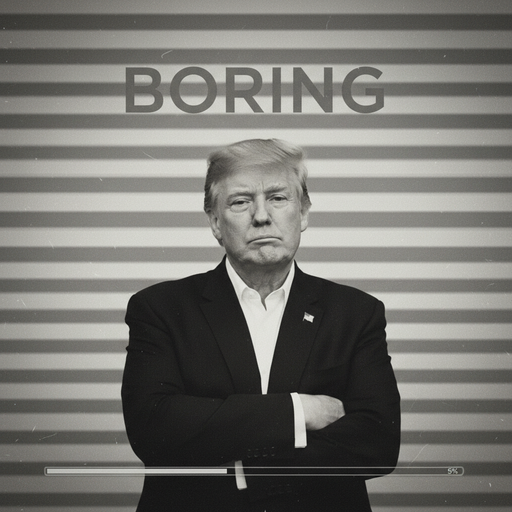




#TrumpWithdrawsEUTariffThreats — professional, analytical, and engagement-focused:
Trump Withdraws EU Tariff Threats: A Strategic Shift in Global Trade Dynamics
The global economic landscape witnessed a significant development as former U.S. President Donald Trump officially withdrew his threats of imposing new tariffs on the European Union.
This decision marks a notable shift in transatlantic trade relations and sends a strong signal to global markets that economic diplomacy may once again take precedence over aggressive protectionist policies.
For months, the possibility of fresh tariffs had created uncertainty across financial markets, supply chains, and multinational corporations operating between the U.S. and Europe.
Businesses were preparing for increased costs, disrupted logistics, and potential retaliation measures from the EU. The withdrawal of these tariff threats has therefore been welcomed as a stabilizing move, offering relief to industries ranging from automotive and manufacturing to agriculture and technology.
At its core, this decision reflects a strategic recalibration rather than a complete abandonment of America-first economic policies. Trump’s political brand has long been associated with tough trade stances, economic nationalism, and pressure tactics to renegotiate trade terms. However, this shift suggests a more calculated approach—one that balances political leverage with economic realism.
The U.S. economy, already navigating inflation pressures, global competition, and geopolitical instability, cannot afford prolonged trade conflicts that weaken consumer confidence and corporate growth.
From the European Union’s perspective, the withdrawal of tariff threats is a diplomatic victory. The EU has consistently advocated for dialogue-based solutions, multilateral negotiations, and rules-based trade systems. Avoiding a tariff war with the U.S. helps preserve economic stability across European markets, protects export industries, and strengthens investor confidence in the region. It also reinforces the EU’s role as a key strategic economic partner rather than a rival in global trade architecture.
Financial markets reacted positively to the announcement, reflecting renewed optimism. Reduced trade tensions often translate into stronger investor sentiment, increased capital flows, and improved risk appetite. For global investors, this move lowers uncertainty and improves predictability—two critical factors that drive long-term investment decisions. Stocks tied to international trade, logistics, manufacturing, and exports stand to benefit from this improved outlook.
This development also has broader geopolitical implications. At a time when the global economy is facing fragmentation, rising protectionism, and economic bloc formation, the easing of U.S.-EU trade tensions sends a powerful message. It shows that strategic alliances still matter and that economic cooperation remains essential in a world dealing with inflation, supply chain vulnerabilities, and geopolitical conflicts.
Moreover, this decision reflects the growing recognition that economic strength today is built on collaboration rather than confrontation. In an interconnected global economy, trade wars no longer produce clear winners. Instead, they raise costs for consumers, weaken currencies, disrupt production networks, and slow down innovation
. By stepping back from tariff escalation, the U.S. signals a more pragmatic understanding of modern economic realities.
For businesses, this shift creates new opportunities. Companies that were previously delaying expansion plans, investments, or cross-border partnerships may now reconsider growth strategies. Stable trade relations allow for long-term planning, cost optimization, and market expansion, especially in sectors such as renewable energy, digital infrastructure, AI technology, and advanced manufacturing.
Politically, the move also reshapes Trump’s global image
. While he remains known for strong rhetoric and assertive negotiation tactics, this decision adds nuance to his leadership narrative. It shows that strategic flexibility can coexist with strong national interests—a combination that may appeal to both domestic and international stakeholders.
In the long run, the withdrawal of EU tariff threats may become a turning point in redefining transatlantic economic relations. It opens the door for renewed trade talks, collaborative policy frameworks, and shared economic goals. If sustained, this approach could strengthen economic resilience on both sides of the Atlantic and contribute to a more stable global trade environment.
Ultimately,
#TrumpWithdrawsEUTariffThreats is more than just a policy headline—it represents a shift in tone, strategy, and global economic direction. It highlights the importance of diplomacy in economic leadership, the value of stability in market confidence, and the necessity of cooperation in a complex, interconnected world. For investors, businesses, and policymakers alike, this moment serves as a reminder that smart trade policy is not about dominance—it’s about balance, growth, and long-term prosperity.