

Trade
Trading Type
Spot
Trade crypto freely
Pre-Market
Trade new tokens before they are officially listed
Margin
Magnify your profit with leverage
Convert & Block Trading
0 Fees
Trade any size with no fees and no slippage
Alpha
Points
Get promising tokens in streamlined on-chain trading
Leveraged Tokens
Get exposure to leveraged positions simply
Futures
Futures
Hundreds of contracts settled in USDT or BTC
Options
HOT
Trade European-style vanilla options
Unified Account
Maximize your capital efficiency
Demo Trading
Futures Kickoff
Get prepared for your futures trading
Futures Events
Participate in events to win generous rewards
Demo Trading
Use virtual funds to experience risk-free trading
Earn
Launch
CandyDrop
Collect candies to earn airdrops
Launchpool
Quick staking, earn potential new tokens
HODLer Airdrop
Hold GT and get massive airdrops for free
Launchpad
Be early to the next big token project
Alpha Points
NEW
Trade on-chain assets and enjoy airdrop rewards!
Futures Points
NEW
Earn futures points and claim airdrop rewards
Investment
Simple Earn
Earn interests with idle tokens
Auto-Invest
Auto-invest on a regular basis
Dual Investment
Buy low and sell high to take profits from price fluctuations
Soft Staking
Earn rewards with flexible staking
Crypto Loan
0 Fees
Pledge one crypto to borrow another
Lending Center
One-stop lending hub
VIP Wealth Hub
Customized wealth management empowers your assets growth
Private Wealth Management
Customized asset management to grow your digital assets
Quant Fund
Top asset management team helps you profit without hassle
Staking
Stake cryptos to earn in PoS products
BTC Staking
HOT
Stake BTC and earn 10% APR
GUSD Minting
Use USDT/USDC to mint GUSD for treasury-level yields


More
Promotions
Activity Center
Join activities and win big cash prizes and exclusive merch
Referral
20 USDT
Earn 40% commission or up to 500 USDT rewards
Announcements
Announcements of new listings, activities, upgrades, etc
Gate Blog
Crypto industry articles
VIP Services
Huge fee discounts
Proof of Reserves
Gate promises 100% proof of reserves

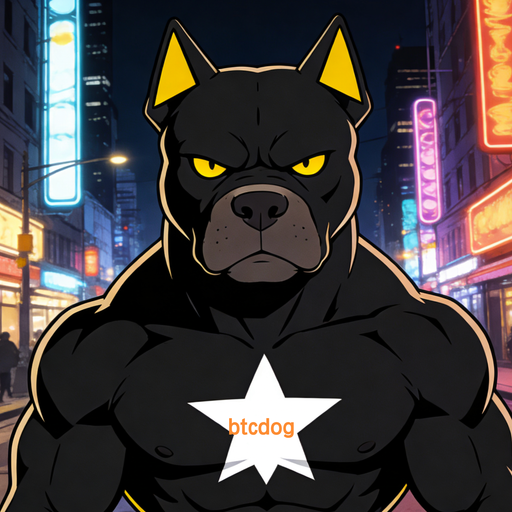




The Meme Party Formula: Why Some Coins Go Viral While Others Flop
According to Justin Sun’s recent insights, the explosive rise of meme coins isn’t just about the joke—it’s fundamentally about capturing and monetizing internet culture. The real question is: what separates a meme that becomes a profitable asset from one that never takes off?
Consider this: not every celebrity name or viral moment can instantly become a valuable token. Take Biden coin as an example—just because a concept sounds catchy doesn’t mean people will actually invest in it. The critical gap lies between issuing a token and gaining real market traction. Biden himself hasn’t transitioned from being a political figure into a recognizable internet meme or cultural IP that fans would rally behind.
What actually wins the meme party? According to Sun, it comes down to dominance in the attention economy. Tokens that go parabolic share a common trait: they’ve managed to break through the noise and become part of internet culture’s zeitgeist. It’s not enough to launch; you need to own a piece of collective consciousness. The winners are those that resonate deeply enough that communities voluntarily participate, promoting, holding, and believing in the narrative.
The lesson here is blunt: in the meme economy, attention is the raw material, and only those who can convert that attention into genuine engagement create lasting value. It’s less about the name behind the coin and more about whether it captures the culture at exactly the right moment.