

Trade
Basic
Futures
Futures
Hundreds of contracts settled in USDT or BTC
TradFi
Gold
Trade global traditional assets with USDT in one place
Options
Hot
Trade European-style vanilla options
Unified Account
Maximize your capital efficiency
Demo Trading
Futures Kickoff
Get prepared for your futures trading
Futures Events
Participate in events to win generous rewards
Demo Trading
Use virtual funds to experience risk-free trading
Earn
Launch
CandyDrop
Collect candies to earn airdrops
Launchpool
Quick staking, earn potential new tokens
HODLer Airdrop
Hold GT and get massive airdrops for free
Launchpad
Be early to the next big token project
Alpha Points
Trade on-chain assets and enjoy airdrop rewards!
Futures Points
Earn futures points and claim airdrop rewards
Investment
Simple Earn
Earn interests with idle tokens
Auto-Invest
Auto-invest on a regular basis
Dual Investment
Buy low and sell high to take profits from price fluctuations
Soft Staking
Earn rewards with flexible staking
Crypto Loan
0 Fees
Pledge one crypto to borrow another
Lending Center
One-stop lending hub
VIP Wealth Hub
Customized wealth management empowers your assets growth
Private Wealth Management
Customized asset management to grow your digital assets
Quant Fund
Top asset management team helps you profit without hassle
Staking
Stake cryptos to earn in PoS products
Smart Leverage
New
No forced liquidation before maturity, worry-free leveraged gains
GUSD Minting
Use USDT/USDC to mint GUSD for treasury-level yields

More


Trending Topics
View More321.51K Popularity
104.66K Popularity
420.05K Popularity
4.79K Popularity
119.21K Popularity


Pin
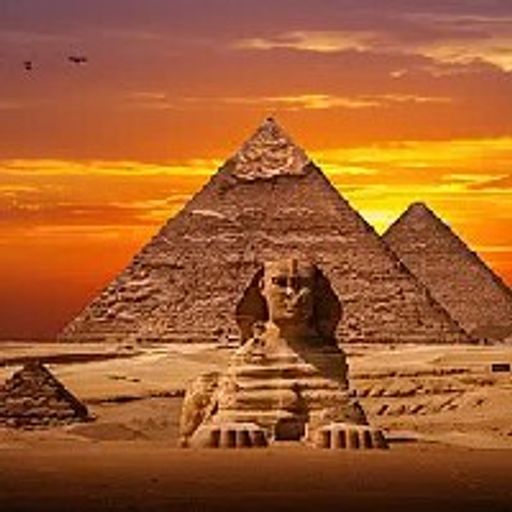
The collision of digital assets and traditional value: the cryptocurrency "gold rush" at the Dubai Forum
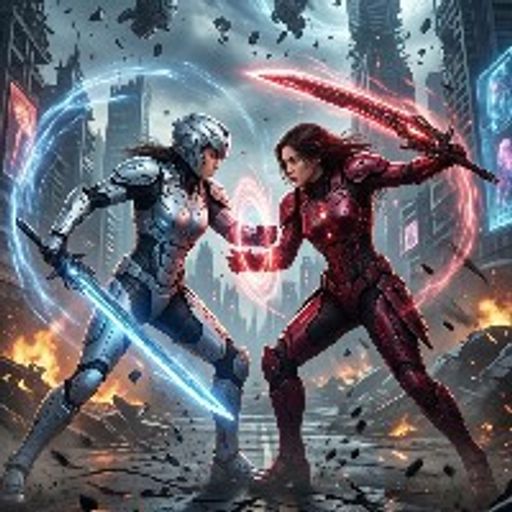
At a heavyweight blockchain forum held in Dubai, leaders in cryptocurrency and traditional financial experts engaged in a fierce debate over “Digital Assets vs. Physical Assets.” This nearly 40-minute conversation revealed the fundamental differences between old and new financial concepts—perhaps also signaling the future direction of asset allocation.
Breakthrough Point: Digital Does Not Equal Illusory
Traditional views hold that things without physical form lack real value. But this assertion is no longer tenable in today’s society:
Google, social media, software systems… these intangible assets now support half of the global economy. The same logic applies to Bitcoin. The difference is that Bitcoin is built on a highly rigorous cryptographic foundation—each coin’s total supply and flow are completely transparent and tamper-proof.
In contrast, the situation with gold is much more complex. No one can accurately count the total amount of gold worldwide, nor track the source of every ounce. Meanwhile, Bitcoin’s 21 million cap was embedded into its code from inception—humanity has, for the first time in history, a truly finite digital asset.
From “Virtual” to “Real Use”
The adoption figures speak volumes. Nearly 300 million users are on a major mainstream exchange platform, with millions directly using Bitcoin for payments and settlements. This number continues to grow.
A more specific case comes from African users: traditional cross-border transfers take three days to complete, but through encrypted networks, the same transaction now only takes three minutes. This is not theoretical speculation; it’s a tangible technology changing lives.
Payment infrastructure is also rapidly improving. Users can directly spend at merchants worldwide accepting this payment method via various digital wallets and payment cards, while merchants settle in fiat currency—creating a seamless process. Statistics show that these payment channels handle hundreds of millions of transactions daily.
Bitcoin’s “15-Year Track Record”
Short-term fluctuations are just noise when measuring an asset’s value. Over longer time horizons:
Since its inception, Bitcoin has become one of the most stable mainstream assets. Its market cap has reached around $1.7 trillion, with the current price hovering near $87.40K. From being an obscure project to gaining global recognition, Bitcoin’s growth trajectory is undeniable—especially when compared to the performance of any traditional asset over the same period.
Institutional capital inflows, national strategic reserves, sovereign wealth fund allocations… these are not signs of speculation but genuine votes of confidence in the long-term value of the asset.
The Choice Between Old and New Generations
The younger generation’s understanding and acceptance of digital assets differ fundamentally from that of the previous generation. Growing up in an internet-native environment, they are naturally skeptical of views like “intangible equals valueless.”
Bitcoin’s global liquidity, censorship resistance, 24/7 trading mechanism… these features naturally align with an increasingly interconnected and open world. And this world is precisely what they will lead.
An Unexpected Reconciliation
Interestingly, this seemingly irreconcilable debate took a turn at the end. The forum organizer invited traditional asset supporters to introduce their tokenized gold projects on a major platform. Not only did they accept, but they further suggested that the platform should become an issuer of such products.
The conclusion couldn’t be more apt: gold has its historical position, but Bitcoin represents the future direction. The two are not mutually exclusive but could coexist long-term. The key question is: which one defines this era?
#BTC #Dubai #DigitalCurrency