EVM-Equivalent Chains

Understanding EVM-Equivalent Chains
The Ethereum blockchain, launched in 2015, introduced the revolutionary concept of smart contracts – self-executing contracts with agreement terms directly written into code. This groundbreaking innovation opened up a world of possibilities, leading to the development of numerous decentralized applications (dApps) and giving birth to the decentralized finance (DeFi) sector. However, as adoption grew, the Ethereum network began facing significant scalability challenges, resulting in high transaction costs and slow processing speeds during peak usage periods.
These limitations created a pressing need for alternative solutions, which led to the emergence of EVM-Equivalent Chains. These blockchain networks are designed to operate on the same principles and protocols as the Ethereum blockchain, ensuring full compatibility with Ethereum's smart contracts and dApps while addressing the scalability bottlenecks. By maintaining this compatibility, developers can easily port their existing Ethereum projects to these alternative chains without significant code modifications.
Examples of prominent EVM-Equivalent Chains include several mainstream platforms that have gained substantial traction in the blockchain ecosystem. These chains offer significantly faster transaction speeds and lower costs compared to Ethereum, making them attractive alternatives for both developers and users. For instance, some leading EVM-compatible chains have achieved transaction throughput that is orders of magnitude higher than Ethereum's, while maintaining gas fees at a fraction of the cost. This improved performance has led to the development of numerous successful projects across various sectors, including DeFi protocols, NFT marketplaces, and gaming applications.
The technical architecture of EVM-Equivalent Chains typically involves modifications to the consensus mechanism, such as adopting Proof of Stake (PoS) or Delegated Proof of Stake (DPoS) instead of Ethereum's original Proof of Work (PoW). These consensus mechanisms enable faster block production and higher transaction throughput while maintaining security and decentralization to varying degrees.
Importance of EVM-Equivalent Chains
EVM-Equivalent Chains play a crucial role in the broader blockchain ecosystem by addressing several critical challenges. First and foremost, they provide a practical solution to Ethereum's scalability issues, enabling more users to interact with smart contracts and dApps without encountering prohibitive transaction costs or frustrating delays. This improved accessibility has the potential to accelerate the mainstream adoption of blockchain technology and DeFi, making these innovations more user-friendly and economically viable for everyday users.
Beyond scalability, EVM-Equivalent Chains foster innovation within the blockchain space by providing diverse platforms for developers to build and launch their projects. This multiplicity of options encourages experimentation and specialization, as different chains can optimize for specific use cases or user demographics. For example, some chains may prioritize transaction speed for gaming applications, while others might focus on security features for financial services. This diversity facilitates the creation of new dApps and DeFi protocols, contributing to the growth and diversification of the entire blockchain ecosystem.
Furthermore, EVM-Equivalent Chains promote healthy competition and technological advancement. As these chains compete for developers and users, they continuously innovate and improve their offerings, leading to better performance, enhanced security features, and more sophisticated developer tools. This competitive environment benefits the entire blockchain industry by driving progress and preventing any single platform from becoming complacent.
The interoperability aspect of EVM-Equivalent Chains also deserves emphasis. By maintaining compatibility with Ethereum's standards, these chains enable seamless asset transfers and cross-chain interactions through bridge protocols. This interconnectedness creates a more robust and flexible blockchain ecosystem where users can leverage the strengths of multiple chains simultaneously.
Impact on the Market and Investment Landscape
The emergence of EVM-Equivalent Chains has had a profound impact on the cryptocurrency market and investment landscape. These chains have attracted substantial investment capital, with many projects built on these platforms achieving significant market valuations. The success of decentralized exchanges, lending protocols, and other DeFi applications on various EVM-compatible chains demonstrates the strong market demand for scalable blockchain solutions.
Investors have increasingly diversified their portfolios to include tokens and projects associated with EVM-Equivalent Chains, recognizing the potential for substantial returns and the opportunity to participate in innovative blockchain projects. The lower barrier to entry on these chains – both in terms of transaction costs and technical complexity – has democratized access to DeFi and blockchain-based investments, attracting a broader range of participants from retail investors to institutional players.
The market dynamics surrounding EVM-Equivalent Chains have also influenced the valuation and positioning of Ethereum itself. Rather than viewing these chains purely as competitors, many analysts consider them complementary to Ethereum, collectively expanding the total addressable market for blockchain technology. This perspective has led to investment strategies that encompass multiple chains, with investors seeking to capture value across the entire EVM-compatible ecosystem.
Moreover, the proliferation of EVM-Equivalent Chains has created new categories of investment opportunities, including cross-chain protocols, bridge technologies, and infrastructure projects that serve multiple chains simultaneously. These meta-layer investments have become increasingly popular as the multi-chain future of blockchain becomes more apparent.
The liquidity distribution across EVM-Equivalent Chains has also evolved significantly, with total value locked (TVL) spreading across multiple platforms rather than concentrating solely on Ethereum. This distribution has implications for risk management, as it reduces the systemic risk associated with any single chain while providing users with more options for optimizing their yield and risk preferences.
Conclusion
In conclusion, EVM-Equivalent Chains represent an essential component of the modern blockchain ecosystem. They effectively address critical challenges facing the Ethereum network, particularly regarding scalability and transaction costs, while maintaining the compatibility that allows developers to leverage existing tools and codebases. By fostering innovation and providing diverse platforms for blockchain development, these chains have contributed significantly to the growth and maturation of the entire industry.
The impact of EVM-Equivalent Chains extends beyond technical improvements, influencing market dynamics, investment strategies, and the broader adoption of blockchain technology. As the ecosystem continues to evolve, these chains are expected to play an increasingly important role in shaping the future of decentralized applications and finance. The ongoing development of cross-chain infrastructure and the emergence of new use cases suggest that the relevance and influence of EVM-Equivalent Chains will continue to grow in the coming years, contributing to a more scalable, accessible, and innovative blockchain landscape.
FAQ
What is EVM-Equivalent Chain(EVM-Equivalent Chain)?
EVM-Equivalent Chain is a blockchain that fully implements EVM code and conforms to Ethereum standards. Any smart contracts running on Ethereum can also run on EVM-equivalent chains without modification, supporting Ethereum's complete functionality.
What is the difference between EVM-Equivalent Chains and Ethereum mainnet?
EVM-Equivalent Chains run the Ethereum Virtual Machine but typically function as Layer 2 solutions, offering higher transaction speeds and lower fees compared to Ethereum mainnet, which is the original blockchain.
What are the mainstream EVM-compatible chains?
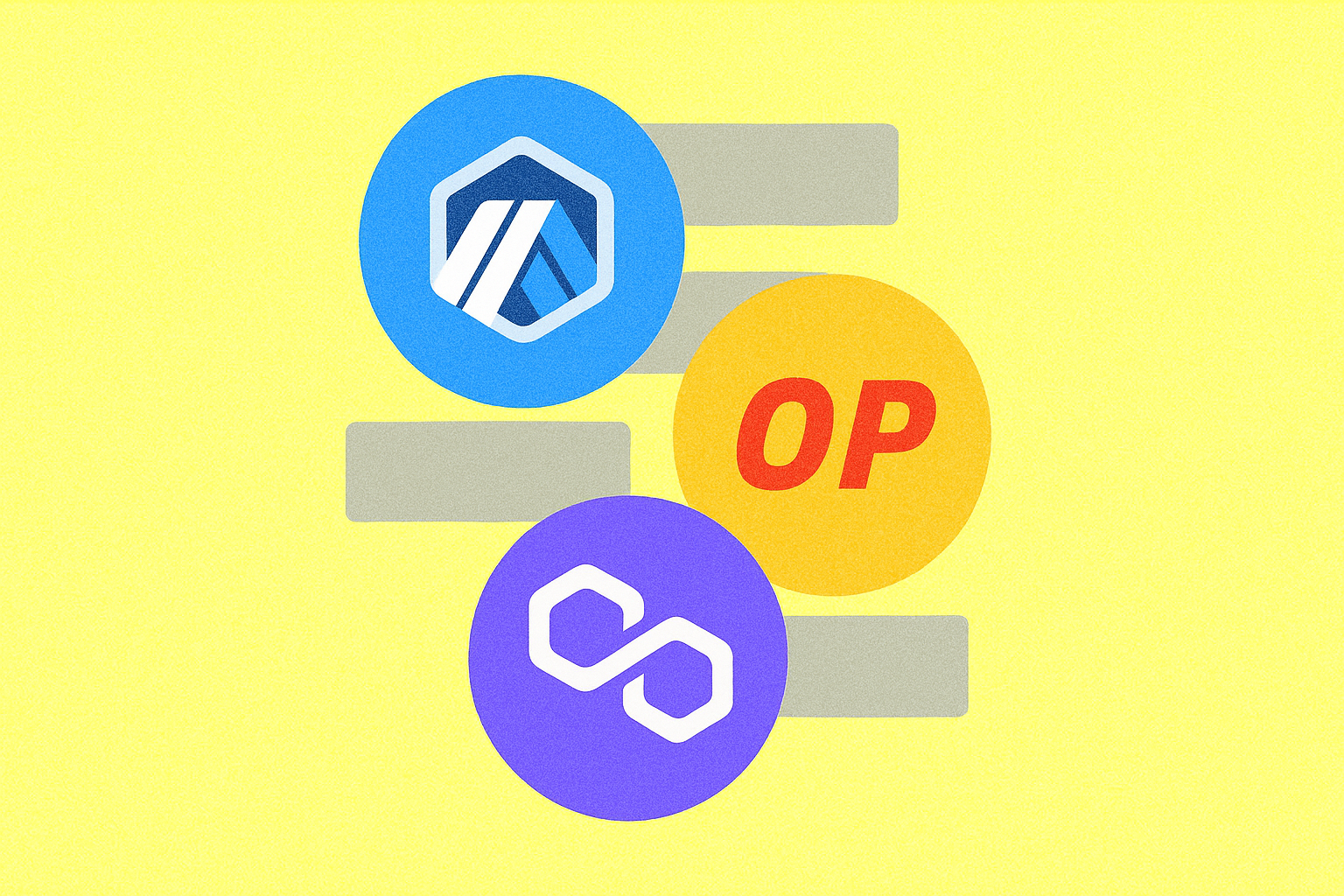
The mainstream EVM-compatible chains include Ethereum, Arbitrum, Optimism, and Polygon. These chains support smart contracts and decentralized applications, offering various scaling solutions and network features.
Why do developers choose to deploy smart contracts on EVM-Equivalent Chains?
Developers choose EVM-Equivalent Chains for familiar development tools, significantly lower transaction costs, and faster confirmation speeds. This enables efficient smart contract deployment and debugging while maintaining Ethereum compatibility.
How is the security of EVM-Equivalent Chains guaranteed?
EVM-Equivalent Chains inherit Ethereum's robust security model through cryptographic verification and consensus mechanisms. They employ validator networks, smart contract audits, and zero-knowledge proofs to ensure transaction integrity and prevent fraud, maintaining high security standards across the ecosystem.
How to perform cross-chain interactions on EVM-Equivalent Chains?
Use decentralized bridges with MPC multi-signature verification, IBC, or XCM protocols. Lock assets on source chain and mint equivalent tokens on target chain. Ensure bridge security through multiple validators and trustless verification mechanisms for safe cross-chain asset transfers.
Share
Content
How to Buy Cryptocurrency


Trending Cryptocurrencies



How to Mine Ethereum in 2025: A Complete Guide for Beginners

Ethereum 2.0 in 2025: Staking, Scalability, and Environmental Impact

What is Ethereum: A 2025 Guide for Crypto Enthusiasts and Investors

How does Ethereum's blockchain technology work?
What are smart contracts and how do they work on Ethereum?
Ethereum Price Analysis: 2025 Market Trends and Web3 Impact

Is TEN Protocol (TEN) a good investment?: Analyzing Market Performance, Risk Factors, and Future Potential in the Blockchain Ecosystem
Is NeuroWebAI (NEURO) a good investment?: A Comprehensive Analysis of Market Potential, Risk Factors, and Expert Predictions for 2024

Is ParallelAI (PAI) a good investment?: A Comprehensive Analysis of Market Potential, Risk Factors, and Future Prospects in the AI Computing Sector

Is Archway (ARCH) a good investment?: A Comprehensive Analysis of Performance, Use Cases, and Market Potential

Pump and Dump: Definition and Mechanism