


Futures
Access hundreds of perpetual contracts
TradFi
Gold
One platform for global traditional assets
Options
Hot
Trade European-style vanilla options
Unified Account
Maximize your capital efficiency
Demo Trading
Introduction to Futures Trading
Learn the basics of futures trading
Futures Events
Join events to earn rewards
Demo Trading
Use virtual funds to practice risk-free trading
Launch
CandyDrop
Collect candies to earn airdrops
Launchpool
Quick staking, earn potential new tokens
HODLer Airdrop
Hold GT and get massive airdrops for free
Launchpad
Be early to the next big token project
Alpha Points
Trade on-chain assets and earn airdrops
Futures Points
Earn futures points and claim airdrop rewards


More





After Gold, Crude Oil? Retail Investors Go Wild on Speculation, U.S. Crude Oil ETF Inflows Hit Record
The Iran war has triggered intense turbulence in the global energy markets, with retail investors rushing to bet on oil prices, turning the crude oil market into the latest investment arena after gold.
According to VandaTrack data, over the past five trading days, retail funds flowing into the United States Oil Fund (ticker: USO) reached a record $115 million, surpassing the peak during the early COVID-19 pandemic in 2020.
Meanwhile, Bloomberg data shows that options activity linked to USO surged to its highest level ever this week, and options activity for the ProShares leveraged oil ETF (UCO) also hit a four-year high.
This speculative frenzy reflects retail investors’ strong preference for high-risk assets, but market observers are also concerned—when oil prices turned negative in 2020, retail investors suffered heavy losses amid similar buying sprees, with USO falling 68% for the year.
War Impact Causes Oil Prices to Surge and Plunge
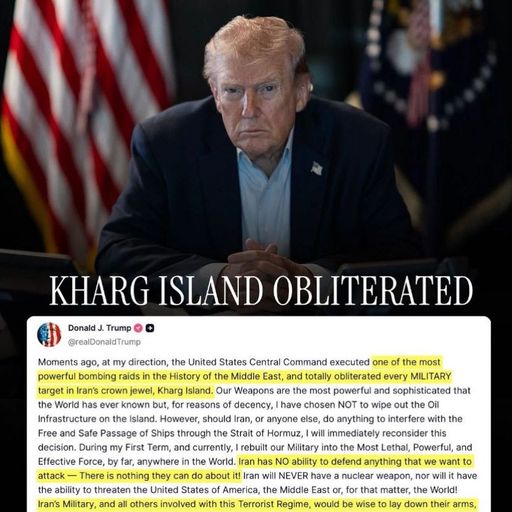
The recent sharp volatility in the oil market was directly triggered by the rapid escalation of tensions in the Middle East. The Financial Times reported on Monday that two weeks ago, the U.S. and Israel launched strikes against Iran, escalating conflicts that nearly completely disrupted energy flows through the Strait of Hormuz.
WTI crude futures soared from $67 per barrel before the conflict to nearly $120 on Monday, an increase of nearly 80%. Subsequently, Trump suggested the war would be short-lived, and oil prices retreated, but they still remain around $100 per barrel, with continued high volatility—Iran is still attacking ships passing through the Strait of Hormuz.
Supply shocks have caused the oil market to be in a “spot premium” state, meaning near-month contracts are priced higher than longer-term contracts, which benefits holders of futures like the USO fund. Year-to-date, USO has gained 71%, slightly outperforming the 67% increase in WTI spot prices.
Retail Investors Flood In, Record Funds Pour into USO
VandaTrack Deputy Research Director Viraj Patel issued a warning last week, noting early signs of a “retail mini-bubble” forming in the oil market, and said “long positions in oil may be becoming the next ‘meme theme’ for retail investors.”
This assessment is being confirmed by data. USO, with a management scale of $2.7 billion, is the largest oil ETF, and this week’s inflows have surpassed the peak during the early pandemic in 2020.
Meanwhile, retail participation channels are also shifting toward higher risk: tokenized crude oil futures on the Hyperliquid crypto trading platform saw daily trading volume jump from about $20 million two weeks ago to nearly $1 billion on Friday; prediction markets Polymarket and Kalshi have launched dozens of crude oil price event contracts, with one tracking oil prices at the end of March attracting $31 million in bets.
On social media, TikTok users are also highly engaged. A content creator who usually posts emotional advice videos said in a Thursday clip, “I’m locking in USO now… it’s a way to hedge my portfolio and diversify risk-return.”
Complex Product Mechanics, Retail Risks Cannot Be Ignored
USO is managed by USCF Investments and does not hold physical oil directly. Instead, it provides exposure by buying futures contracts linked to oil prices, rolling over these contracts before they expire to longer-dated ones.
This mechanism tends to drag down the fund’s performance when the oil market is in “contango”—that is, when longer-term contracts are priced higher than near-term ones. The lessons from 2020 are especially vivid: when oil prices turned negative, USO plummeted 68% for the year, causing heavy losses for investors and prompting regulatory scrutiny over the fund’s risk disclosures.
Strategas Chief ETF Strategist Todd Sohn expressed concern about the current rush into the market. “This is classic herd behavior,” he said. “As soon as someone mentions ‘USO,’ everyone rushes in. They might not even understand how the product works because it’s futures… It’s almost like buying first and figuring out what you’re doing later.”
Risk Warning and Disclaimer
Market risks are inherent; investment should be cautious. This article does not constitute personal investment advice and does not consider individual users’ specific investment goals, financial situations, or needs. Users should consider whether any opinions, views, or conclusions herein are suitable for their particular circumstances. Invest at your own risk.