


Futures
Access hundreds of perpetual contracts
TradFi
Gold
One platform for global traditional assets
Options
Hot
Trade European-style vanilla options
Unified Account
Maximize your capital efficiency
Demo Trading
Introduction to Futures Trading
Learn the basics of futures trading
Futures Events
Join events to earn rewards
Demo Trading
Use virtual funds to practice risk-free trading
Launch
CandyDrop
Collect candies to earn airdrops
Launchpool
Quick staking, earn potential new tokens
HODLer Airdrop
Hold GT and get massive airdrops for free
Launchpad
Be early to the next big token project
Alpha Points
Trade on-chain assets and earn airdrops
Futures Points
Earn futures points and claim airdrop rewards


More





Middle East Conflict | Société Générale: China's Economic Resilience Tested, Expected to Maintain Moderate and Loose Monetary Policy
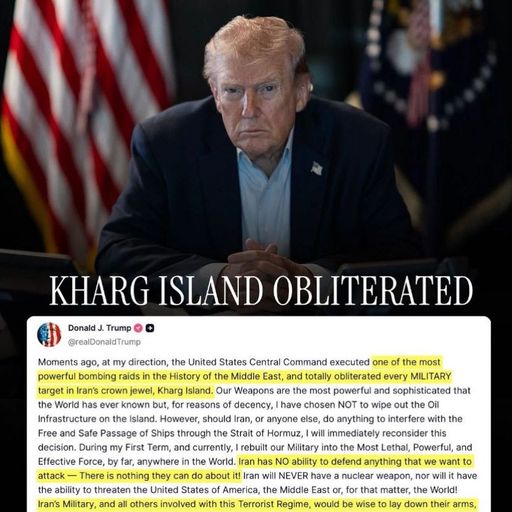
Iran’s geopolitical tensions are escalating. Alicia Garcia-Herrero, Chief Economist at France’s Export-Import Bank, commented that this is increasing pressure on China’s economy from both energy security and the global economic landscape. Without sufficient strong stimulus measures, China’s economic slowdown could worsen further after the Iran conflict.
Garcia-Herrero pointed out that China relies on Iranian crude oil supplies. If key maritime transportation routes, including the Strait of Hormuz, are blocked, it would pose a direct threat to China’s energy imports. China’s large strategic oil reserves could buffer supply shocks in the short term, but if the conflict persists, energy costs are likely to rise further.
She stated that beyond energy risks, the ongoing escalation of Middle East conflicts could accelerate the restructuring of global supply chains and transportation systems, increasing the risk of stagflation in the global economy. For China, weakening external demand combined with rising domestic production costs could slow export growth, and traditional trade surpluses may face pressure.
She emphasized that the Iran war highlights the need for China to boost domestic demand to sustain economic growth. However, rising government debt is limiting fiscal policy space, and the People’s Bank of China is expected to maintain a moderate, accommodative monetary policy. This conflict also underscores the urgent need for China to further develop a resilient economy, even if it means sacrificing some efficiency to enhance security, which will have a profound impact on China’s growth model.