

Trade
Basic
Futures
Futures
Hundreds of contracts settled in USDT or BTC
TradFi
Gold
Trade global traditional assets with USDT in one place
Options
Hot
Trade European-style vanilla options
Unified Account
Maximize your capital efficiency
Demo Trading
Futures Kickoff
Get prepared for your futures trading
Futures Events
Participate in events to win generous rewards
Demo Trading
Use virtual funds to experience risk-free trading
Earn
Launch
CandyDrop
Collect candies to earn airdrops
Launchpool
Quick staking, earn potential new tokens
HODLer Airdrop
Hold GT and get massive airdrops for free
Launchpad
Be early to the next big token project
Alpha Points
Trade on-chain assets and enjoy airdrop rewards!
Futures Points
Earn futures points and claim airdrop rewards
Investment
Simple Earn
Earn interests with idle tokens
Auto-Invest
Auto-invest on a regular basis
Dual Investment
Buy low and sell high to take profits from price fluctuations
Soft Staking
Earn rewards with flexible staking
Crypto Loan
0 Fees
Pledge one crypto to borrow another
Lending Center
One-stop lending hub
VIP Wealth Hub
Customized wealth management empowers your assets growth
Private Wealth Management
Customized asset management to grow your digital assets
Quant Fund
Top asset management team helps you profit without hassle
Staking
Stake cryptos to earn in PoS products
Smart Leverage
New
No forced liquidation before maturity, worry-free leveraged gains
GUSD Minting
Use USDT/USDC to mint GUSD for treasury-level yields

More



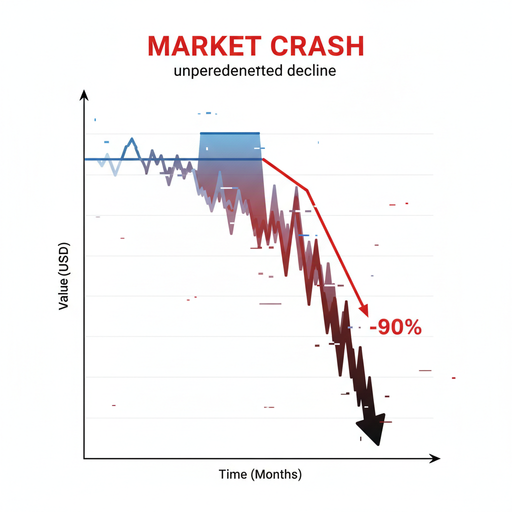


Two Holdings You Can Happily Maintain When Market Volatility Strikes
When the stock market experiences significant downturns, most investors face a difficult decision: hold or sell? My portfolio of roughly 45 holdings represents a philosophical commitment to long-term investing that goes beyond emotional market reactions. The truth is, I rarely divest during downturns unless something fundamentally breaks within a business itself. With that approach in mind, some holdings stand out as particularly resilient anchors during turbulent periods—positions I can happily carry through volatility without losing sleep.
Berkshire Hathaway and Prologis represent exactly this type of holding. While I wouldn’t sell any of my positions simply because prices declined, I recognize that certain businesses would likely weather economic storms far better than broader market averages, allowing me to maintain conviction even as valuations fluctuate significantly.
Berkshire Hathaway: The Unwavering Foundation
If forced to concentrate my entire portfolio into a single position during a market crash, Berkshire Hathaway would be my choice. The conglomerate operates more than 60 subsidiaries—the vast majority classified as “evergreen” businesses that perform reliably across all economic conditions. Consider how people must continue paying car insurance premiums to GEICO or electricity bills to Berkshire Hathaway Energy, regardless of broader economic circumstances.
Beyond this recession-resistant business model, Berkshire possesses an unmatched capital fortress. As of the most recent financial reporting, the company maintained approximately $382 billion in cash reserves, a figure likely to expand further. This extraordinary liquidity provides tremendous flexibility to capitalize on distressed opportunities when markets seize up. History validates this approach—during the 2008-2009 financial crisis, Berkshire strategically deployed capital into Bank of America and Goldman Sachs at depressed valuations, emerging from that downturn in a considerably stronger competitive position than before. There’s every reason to expect similar opportunistic behavior if markets decline again.
Industrial Real Estate: Essential Through Economic Cycles
Prologis operates as the world’s largest industrial real estate investment trust, controlling over 1 billion square feet of logistics infrastructure including distribution centers and warehouse facilities. The critical insight here is straightforward: e-commerce logistics networks represent essential long-term infrastructure, not cyclical discretionary spending.
Even during severe market stress, companies like Amazon and FedEx must maintain global supply chains and continue moving goods through distribution networks. While new facility construction might slow during economic weakness, the fundamental demand for existing logistics space remains inelastic. Long-term trends continue pointing toward expanded e-commerce volumes that will require these assets regardless of temporary market turmoil. For a REIT owner, this translates to stable cash flows that happily persist even as equity markets fluctuate wildly.
Understanding Real Volatility Expectations
To be transparent, characterizing these businesses as resilient doesn’t mean their stock prices won’t decline. Both securities could certainly experience meaningful pullbacks alongside broader market weakness, and neither offers immunity from volatility. However, the distinction matters significantly: when considering the underlying business fundamentals, I would expect both to outperform the overall market during downturns.
For investors with conviction in these positions, such price declines present exactly the opportunity most investors claim they seek but rarely execute on. A significant pullback in either position would represent a strategic buying opportunity, not a warning signal to exit.
Building Investment Conviction Through Analysis
The most important element in successfully holding investments during market crashes isn’t luck—it’s having done the analytical work beforehand to understand what you own and why. When you can articulate how a business generates value across economic cycles, and when you’ve positioned yourself in structurally sound companies, maintaining those positions becomes far easier to do happily and with confidence.
This approach transforms market volatility from a source of anxiety into a backdrop for practicing the discipline that separates successful long-term investors from those who let emotions dictate their decisions.