

Trade
Basic
Futures
Futures
Hundreds of contracts settled in USDT or BTC
TradFi
Gold
Trade global traditional assets with USDT in one place
Options
Hot
Trade European-style vanilla options
Unified Account
Maximize your capital efficiency
Demo Trading
Futures Kickoff
Get prepared for your futures trading
Futures Events
Participate in events to win generous rewards
Demo Trading
Use virtual funds to experience risk-free trading
Earn
Launch
CandyDrop
Collect candies to earn airdrops
Launchpool
Quick staking, earn potential new tokens
HODLer Airdrop
Hold GT and get massive airdrops for free
Launchpad
Be early to the next big token project
Alpha Points
Trade on-chain assets and enjoy airdrop rewards!
Futures Points
Earn futures points and claim airdrop rewards
Investment
Simple Earn
Earn interests with idle tokens
Auto-Invest
Auto-invest on a regular basis
Dual Investment
Buy low and sell high to take profits from price fluctuations
Soft Staking
Earn rewards with flexible staking
Crypto Loan
0 Fees
Pledge one crypto to borrow another
Lending Center
One-stop lending hub
VIP Wealth Hub
Customized wealth management empowers your assets growth
Private Wealth Management
Customized asset management to grow your digital assets
Quant Fund
Top asset management team helps you profit without hassle
Staking
Stake cryptos to earn in PoS products
Smart Leverage
New
No forced liquidation before maturity, worry-free leveraged gains
GUSD Minting
Use USDT/USDC to mint GUSD for treasury-level yields

More


The Complete Guide to NFT Art: Understanding Blockchain-Based Creative Assets
NFT art represents one of the most transformative shifts in how digital creators establish ownership and monetize their work. If you’ve been following the crypto world or the art market over the past few years, you’ve likely encountered stories of digital artists selling works for millions—and wondered what all the fuss is about. This guide breaks down everything you need to know about nft art, from its fundamental mechanics to real-world applications and investment potential.
Defining NFT Art and Its Core Functions
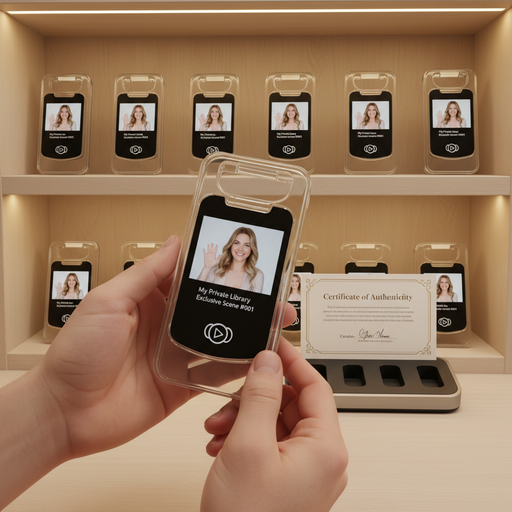
At its core, nft art refers to digital creative works that have been tokenized on a blockchain. When an artist creates nft art, they’re essentially converting a digital asset—whether that’s a painting, animation, video, or music—into a unique, verifiable token on a distributed ledger like Ethereum or Solana.
Think of it this way: before NFTs, digital files could be copied infinitely. A JPEG shared online could be duplicated a million times, making it impossible to claim authentic ownership. Nft art solves this through non-fungible tokens—digital certificates that prove you own the original. Each token carries a unique identifier that cannot be replicated, and ownership is permanently recorded on the blockchain.
Unlike fungible assets like Bitcoin (where one unit is identical to another), each NFT is distinct. This distinction matters because it’s what creates scarcity and authenticity in the digital realm.
The Technology Behind NFT Art: Smart Contracts and Tokenization
Understanding how nft art actually works requires knowing about smart contracts—self-executing digital agreements written in code. When an artist mints (creates) an NFT, they’re running smart contract code that assigns ownership, manages transferability, and enables future transactions.
Most NFTs follow the ERC-721 standard, a technical framework that ensures compatibility across different platforms and blockchains. This standardization means that when you purchase an NFT on OpenSea, you can later sell it on Foundation or any other compatible marketplace without friction.
The metadata attached to each token tells the complete story: the artist’s signature, transaction history, and specifications of what the NFT includes. This immutable record makes authentication permanent and eliminates the ownership disputes that plague traditional digital art.
Market Milestones: When NFT Art Exploded Into Mainstream
The moment nft art entered public consciousness came in 2021 when digital artist Beeple sold a single piece for $69.3 million—a price that shocked even seasoned art collectors. Around the same time, Jack Dorsey, founder of Twitter, auctioned off his first-ever tweet as an NFT for $2.9 million.
These weren’t fringe experiments. Sotheby’s and Christie’s—the world’s most prestigious fine art auction houses—opened their doors to digital creatives. Sotheby’s inaugural NFT auction in April 2021, featuring work by artist Pak, generated $16.8 million in just three days.
As Beeple explained in a podcast, the value proposition is straightforward: “The value is the scarcity, and other people want it.” In a digital-first world, scarcity becomes the differentiator between worthless copies and valuable originals.
However, the market proved volatile. By 2022, the NFT sector experienced a significant downturn alongside the broader crypto market. Billions in value evaporated, hype died down, and skeptics declared the space dead. Yet with Bitcoin and other cryptocurrencies reaching new all-time highs in 2025-2026, nft art has resurged. The space has matured, the speculative fervor has cooled, and serious creators and collectors are returning with more realistic expectations.
How Creators Earn Through NFT Art Royalties
One of the most compelling aspects of nft art for creators is the royalty mechanism. Traditional digital art offered no ongoing compensation—once sold, the original artist received nothing from subsequent resales. NFTs inverted this model.
When an artist mints nft art, they can program the smart contract to automatically grant them a percentage of every resale. Foundation, a popular NFT platform, offers creators 10% royalties on secondary sales. Euler Beats Originals provides 8%. This means that as an artist’s work appreciates in value, they continue earning.
This royalty structure democratizes income for digital creators. No longer do they need gallery representation, publishing deals, or record labels to profit from their work. They can directly reach a global audience and benefit from their creations’ appreciation.
Getting Your Start: Creating and Selling NFT Art
For artists ready to tokenize their work, the process begins with choosing an NFT marketplace. Popular platforms include OpenSea (the largest marketplace), Foundation (known for curation), SuperRare (focused on digital art), VIV3, Axie Marketplace, and NFT ShowRoom.
Each requires the same basic setup: a digital wallet (like MetaMask), some cryptocurrency to cover transaction fees (usually Ethereum or Solana), and your digital artwork file. The minting process is straightforward—upload your file, configure royalty percentages, set your price, and publish.
Most platforms charge listing fees, and you may face network fees (called “gas fees” on Ethereum) depending on network congestion. After listing, it’s a matter of marketing your work and connecting with potential buyers within the community.
The Collector’s Perspective: Investing in NFT Art
For those on the buying side, nft art presents both opportunity and risk. Collectors can purchase pieces with the expectation that they’ll appreciate in value, then resale them for profit years later—similar to traditional art investing but on a digital, faster-moving market.
Successful collectors research projects, analyze market trends, study floor prices (the minimum cost to enter a collection), and trading volume. They identify emerging artists before their work gains mainstream attention and projects with strong community backing.
The same digital wallet that artists use for creating accepts nft art purchases. You load it with Ethereum, Solana, or another accepted cryptocurrency, browse marketplaces, and execute transactions. Ownership transfers to your wallet immediately upon purchase.
Current Landscape and Evolution of NFT Art
The space continues evolving rapidly. AI-generated art has emerged as a controversial frontier, with algorithms creating compositions that challenge traditional notions of creativity and authorship. Virtual reality and interactive experiences are expanding what nft art can be—moving beyond static images into immersive, participatory works.
These developments suggest nft art has moved beyond speculative bubble territory into a genuine medium of creative expression. Whether the market maintains current valuations remains uncertain, but the infrastructure is now entrenched. Artists have access to global audiences and direct monetization. Collectors have new asset classes to explore. Institutions have legitimized the space.
As blockchain technology matures and tools become more accessible, nft art continues attracting creative professionals who view it as liberation from traditional gatekeepers. The question is no longer whether nft art will survive—it’s how the medium will evolve.