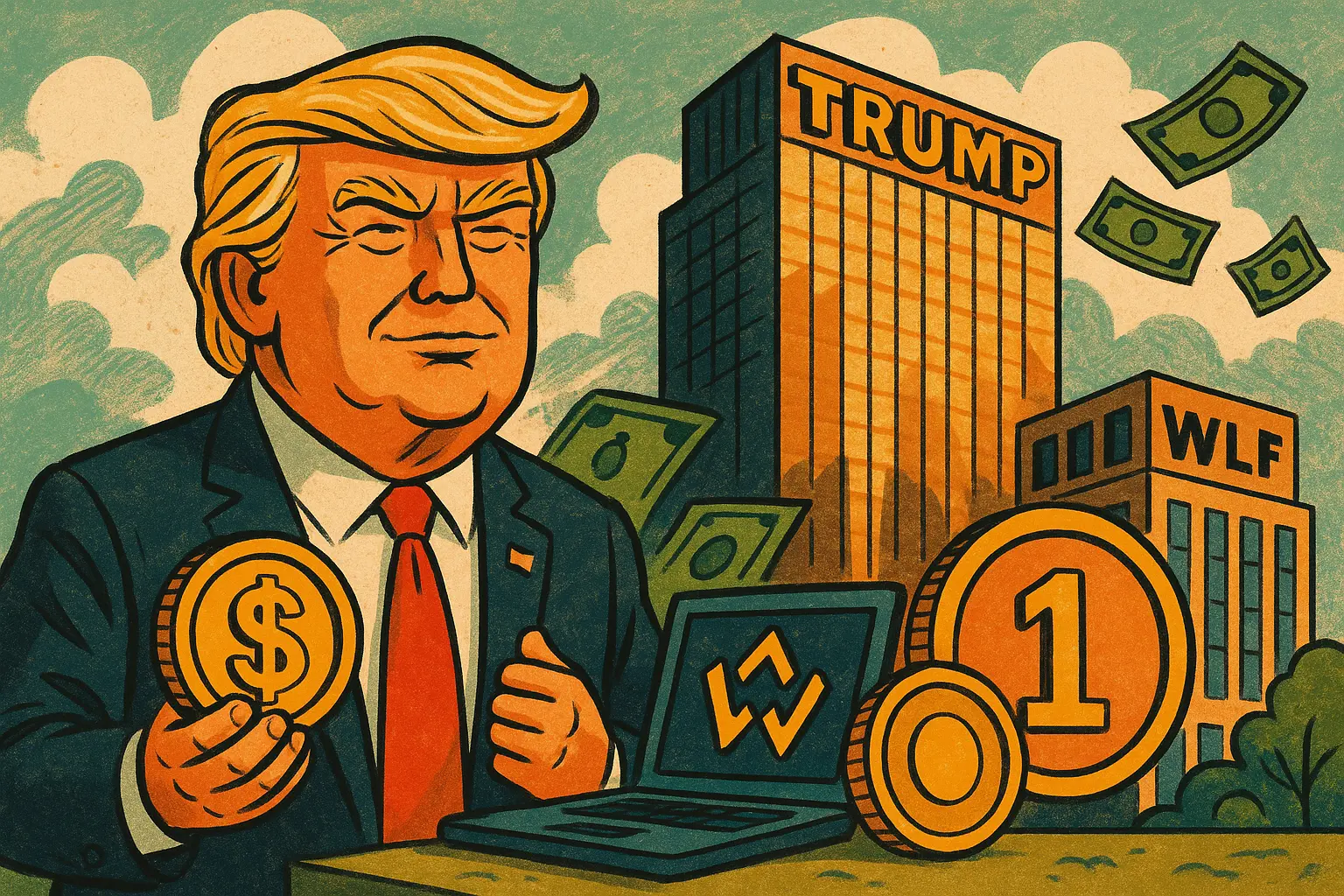
Trump’s World Liberty Financial (WLFI) launches the World Liberty Markets cryptocurrency lending platform, with technical support from Dolomite. USD1 has a market cap of $3.5 billion, making it the sixth-largest stablecoin, and has applied for a banking license with the OCC. The Trump family is projected to profit from WLFI in the first half of 2025, with total crypto income exceeding $800 million.
The ambitions and risks of the World Liberty Markets lending platform
The launch of the World Liberty Markets lending platform by World Liberty Financial marks the second major expansion of Trump’s cryptocurrency empire. Supported by Dolomite’s technology, the platform allows users to borrow and lend digital assets using USD1 and other supported collateral (including Ether, USDC, USDT, and tokenized Bitcoin). This multi-collateral design positions World Liberty Markets as a direct competitor to established DeFi lending protocols like Aave and Compound.
World Liberty Markets is the second major product of the project, which previously launched the USD1 stablecoin in March 2025. According to data from The Block, USD1’s current market cap is just under $3.5 billion, ranking second among the largest dollar-backed stablecoins after PayPal’s PYUSD, making it the sixth-largest USD stablecoin. Achieving this ranking in just 10 months demonstrates the rapid growth of USD1.
The timing of this lending service’s launch coincides with a broader recovery in the crypto credit market. A report released by Galaxy Digital in November shows that by the end of Q3 2025, active DeFi loans had risen to nearly $41 billion, driving total crypto lending on centralized and decentralized platforms to a record high of approximately $74 billion. World Liberty’s entry into the lending market at this juncture indicates a keen grasp of the industry’s cyclical recovery.
Three-tiered competitive strategy of World Liberty Markets
Multi-collateral advantage: Accepts USD1, ETH, BTC, and other collateral, lowering barriers for users
Stablecoin linkage: Lending demand drives USD1 usage, creating an ecosystem loop
Political endorsement: Trump’s influence brings unique brand value and traffic to the platform
Two of World Liberty’s executives, Zachary Folkman and Chase Herro, co-founded Dough Finance, a lending protocol built on Ethereum around Aave V3 infrastructure, which suffered a flash loan attack in 2024. This historical blemish has raised concerns about the security of World Liberty Markets. Dolomite and Aave are competitors in the crypto credit space; choosing Dolomite over Aave may relate to the team’s past experiences.
Regulatory legitimation and conflicts of interest in bank license application
While striving to legitimize its stablecoin operations in the US, World Liberty launched a lending service. Last week, its affiliated entity applied to the OCC to establish a national trust bank focused on stablecoin issuance, custody, and exchange. If approved, USD1 would be fully regulated under federal oversight, representing a significant endorsement of its compliance and stability.
The bank license application reveals that World Liberty’s ambitions extend well beyond a mere crypto project. A national trust bank is a federally regulated financial institution with rights and privileges similar to traditional banks. If successful, USD1 would become the first stablecoin issued by a licensed bank, surpassing Tether and Circle in regulatory compliance. This shift could attract substantial institutional capital seeking regulatory certainty.
However, critics are increasingly concerned that this structure may present conflicts of interest, as the project involves a sitting president. World Liberty lists Donald Trump and his son as co-founders, intertwining the president’s personal financial interests with his public policy role. According to a October investigation by Reuters, the Trump family profited hundreds of millions of dollars in the first half of 2025 from World Liberty Financial and related token sales.
Specifically, the sale of World Liberty’s native token WLFI alone generated approximately $463 million, while total crypto income related to Trump’s associated enterprises exceeded $800 million during this period. These figures far surpass revenues from traditional businesses like golf clubs and licensing, and prior disclosures indicated the president earned tens of millions of dollars from WLFI sales in 2024.
World Liberty claims that Trump and his family do not manage daily operations, which are handled by senior executives in the crypto sector, and that its governance structure is designed to limit direct influence. Nonetheless, such defenses do little to quell skepticism: when the president promotes pro-crypto policies and appoints crypto-friendly regulators, his family’s business profits from these policies—does this constitute a conflict of interest?
USD1’s regulatory gamble to reach the sixth-largest stablecoin and market acceptance
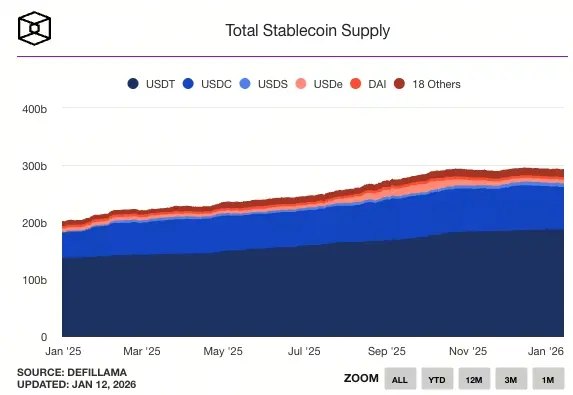
(Source: The Block)
USD1 stablecoin has surpassed a market cap of $3.5 billion within just 10 months, ranking as the sixth-largest USD stablecoin after PayPal’s PYUSD. This achievement is rare in the stablecoin market, which has long been dominated by Tether (USDT) and Circle (USDC), with new entrants typically taking years to gain significant market share.
USD1’s rapid growth is partly attributable to Trump’s political influence. When a president publicly supports a crypto project, it naturally attracts attention and capital. Additionally, World Liberty actively promotes USD1’s use cases—from lending collateral to payments—aiming to build a comprehensive ecosystem. If the bank license is approved, USD1 will gain regulatory backing, further boosting market confidence.
However, USD1 also faces challenges. First is trust: the core of stablecoins is transparency and redeemability of reserves. Tether and Circle have built market trust over years of operation, and USD1 must demonstrate that its reserves are real and well-managed. Second is regulatory uncertainty: although it has applied for a bank license, approval is not guaranteed. If rejected, USD1 could face compliance crises.
Third is political risk. Trump’s presidential term could last until 2029, and after that, a change in administration might lead to hostility toward crypto projects associated with his name. This political uncertainty adds volatility to USD1’s long-term prospects.
Disclaimer: The information on this page may come from third parties and does not represent the views or opinions of Gate. The content displayed on this page is for reference only and does not constitute any financial, investment, or legal advice. Gate does not guarantee the accuracy or completeness of the information and shall not be liable for any losses arising from the use of this information. Virtual asset investments carry high risks and are subject to significant price volatility. You may lose all of your invested principal. Please fully understand the relevant risks and make prudent decisions based on your own financial situation and risk tolerance. For details, please refer to
Disclaimer.


