On June 30, 2025, Robinhood announced a groundbreaking initiative at the “To Catch a Token” event in Cannes, France: the launch of tokenized trading services for over 200 U.S. stocks and ETFs for EU users, and for the first time, the inclusion of private equity from unlisted companies like OpenAI and SpaceX into the realm of tokenization. This news was like a bombshell, quickly driving Robinhood’s stock price up nearly 13%, reaching an all-time high, and igniting a heated discussion in the global financial markets about stock tokenization.
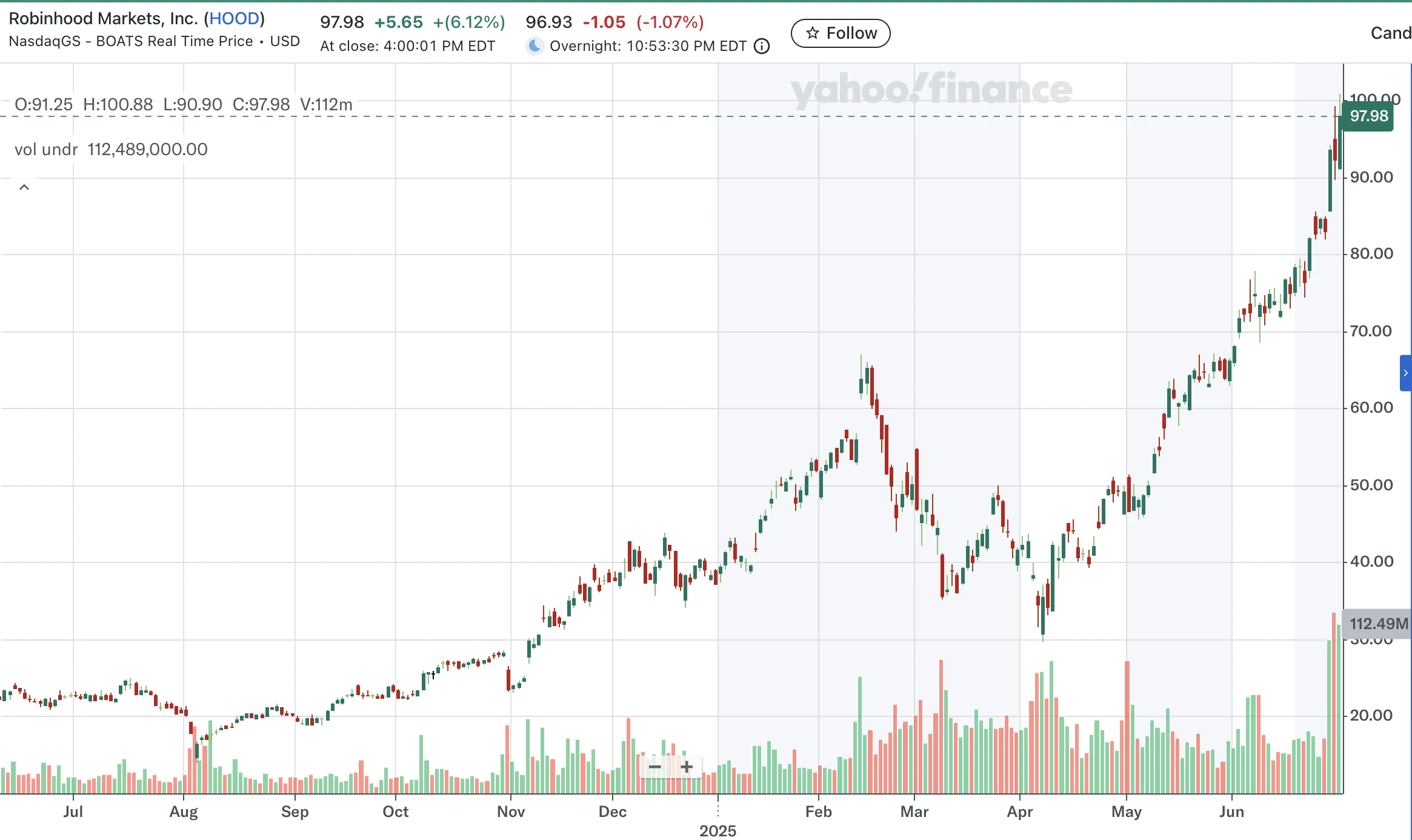
As a platform that disrupts traditional brokerage firms with zero-commission trading, Robinhood is further breaking down financial barriers through blockchain technology, deeply integrating the traditional stock market with the potential of decentralized finance (DeFi). This not only marks a new round of collision between traditional finance (TradFi) and blockchain technology but also outlines a future vision of financial democratization for global investors.
Stock Tokenization: The Blockchain Renaissance of Traditional Finance
Stock tokenization is the process of converting traditional stocks or equity into digital tokens on the blockchain, with each token representing a certain proportion of ownership in the underlying asset. These tokens are issued and traded on the blockchain through smart contracts, retaining the economic attributes of stocks, such as price volatility and dividend income, but typically excluding shareholder voting rights.
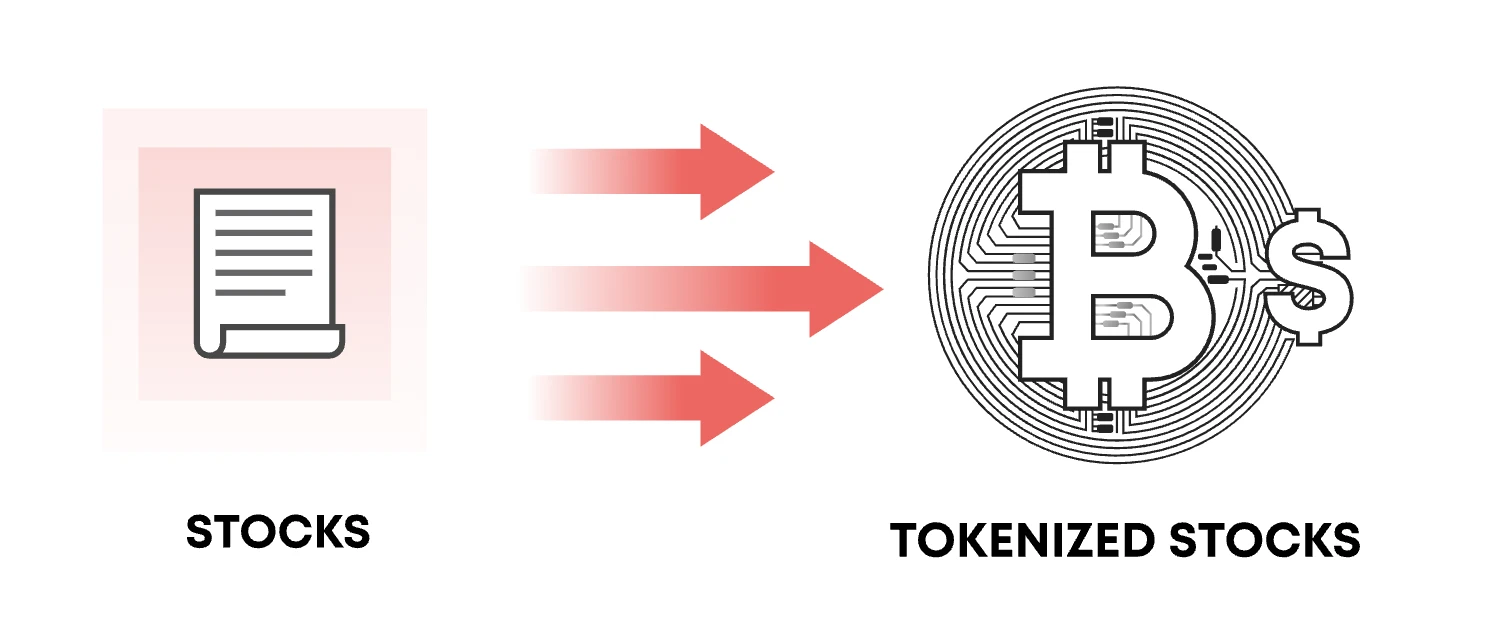
Compared to traditional stock markets, tokenization utilizes blockchain’s distributed ledger technology to achieve transaction transparency and immutability, while significantly reducing intermediary costs and settlement times. Robinhood’s tokenization service is based on the Ethereum Layer 2 network Arbitrum and plans to migrate to its own blockchain platform by the end of 2025 or early 2026. This technological choice not only reduces transaction fees but also allows global investors to participate more easily in the U.S. stock market through its decentralized features. Robinhood’s attempt is not an isolated event; globally, stock tokenization is becoming a pioneer in the integration of traditional finance and blockchain, attracting widespread attention from both crypto exchanges and traditional financial institutions.
Robinhood’s newly launched service covers major players in the U.S. market such as Apple, Microsoft, and NVIDIA, while boldly attempting to tokenize equity in private companies like OpenAI and SpaceX. This innovation is particularly noteworthy in the EU market, where the relatively relaxed regulatory environment allows non-accredited investors to participate in private equity transactions, whereas the U.S. market is currently unable to offer similar functionality due to strict “accredited investor” regulations. However, OpenAI has publicly stated that it does not collaborate with Robinhood and does not endorse its tokenization efforts, highlighting the legal and compliance complexities surrounding private equity tokenization. Nonetheless, Robinhood’s move is still seen as a milestone in the traditional finance sector’s transition to blockchain, signaling that stock tokenization could become a new generation of financial instruments following ETFs.
How Tokenization Reshapes the Investment Experience
The core attraction of stock tokenization lies in its revolutionary change to the investment experience. First, tokenization breaks the investment barriers of the traditional stock market. By dividing stocks into small tokens, ordinary investors are able to participate in high-value asset investments at a lower cost. For example, the price of a single share of SpaceX may reach thousands of dollars, far exceeding the budget of ordinary investors, but tokenization allows investors to purchase a portion of ownership, significantly enhancing market inclusivity. This “partial ownership” model is particularly suitable for young investors and users in emerging markets, as Robinhood’s EU users can now invest in U.S. stocks and unlisted companies at very low costs through its platform.
Additionally, tokenization significantly improves trading efficiency. Transactions in traditional stock markets usually require multiple intermediaries such as brokers, exchanges, and clearing houses, with settlement times extending up to T+2 (two days after the trading day). In contrast, the instant settlement feature of blockchain reduces transaction times to nearly real-time, and Robinhood’s zero-commission model further lowers investment costs. This efficiency not only attracts retail investors but also provides institutional investors with more flexible trading options. More importantly, tokenized stocks support round-the-clock trading, breaking the fixed time constraints of traditional stock markets. Robinhood currently offers 24/5 trading services and plans to achieve 24/7 round-the-clock trading in the future, which is a significant breakthrough for global investment demands.
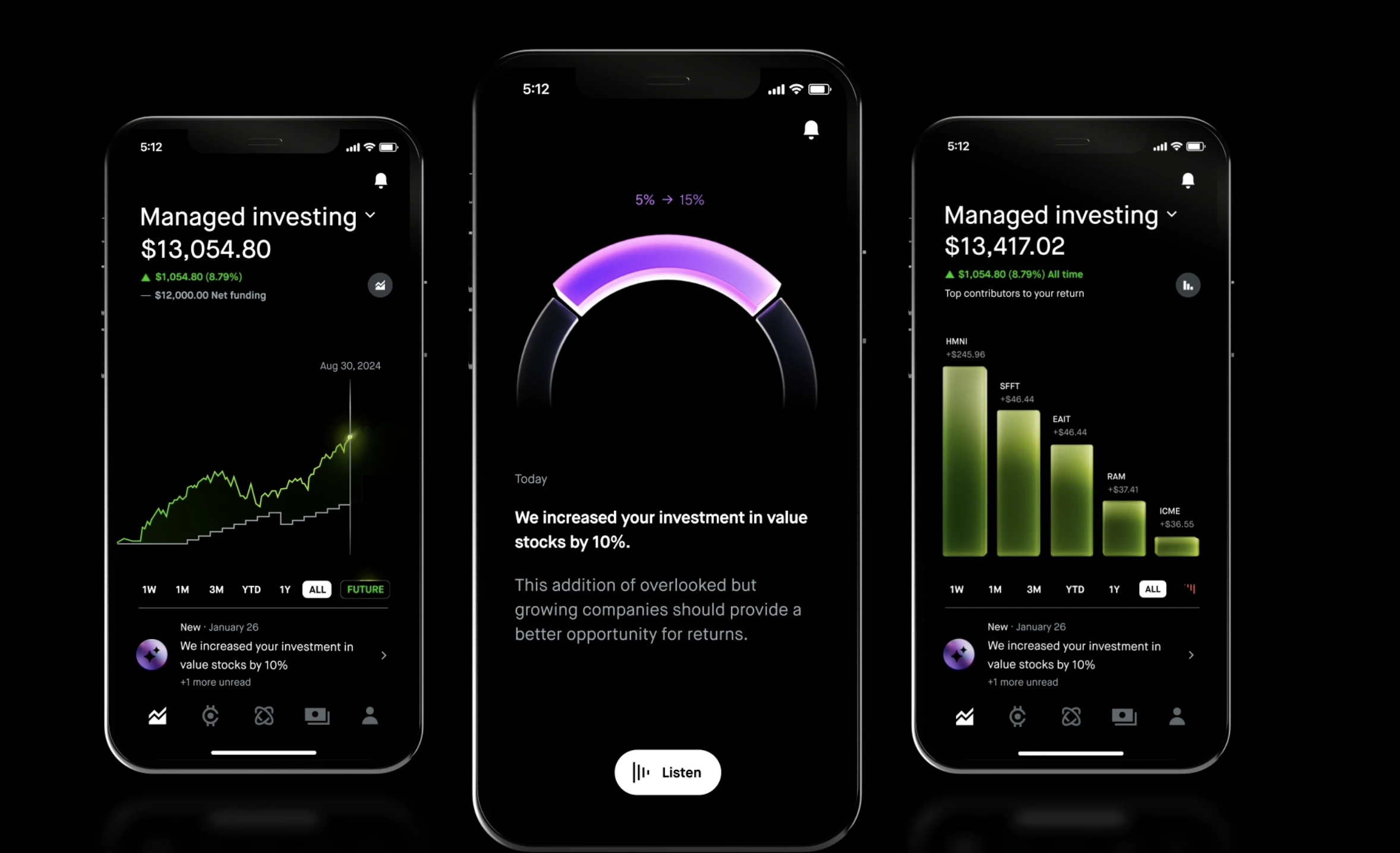
The transparency and security of blockchain also add unique advantages to tokenization. Distributed ledger technology ensures that every transaction is publicly verifiable, reducing the risk of fraud, while the automated execution of smart contracts minimizes human intervention, further enhancing the reliability of transactions. Robinhood achieves tokenized trading through the Arbitrum network, not only ensuring technical stability but also providing users with the convenient experience of direct dividend distribution to their accounts. This transparent and efficient trading model is reshaping investors’ trust and participation in financial markets.
Challenges Facing Tokenization
Despite the bright prospects of stock tokenization, its development path is not smooth sailing. First, regulatory uncertainty is the biggest obstacle. Tokenized stocks are considered securities and must comply with financial regulatory requirements in various countries. The EU’s MiCA (Markets in Crypto-Assets Regulation) provides a compliance foundation for Robinhood’s tokenization services, but the US market has not fully opened due to the SEC’s strict regulations. OpenAI’s opposition to Robinhood’s tokenization further exposes the legal gray areas of private equity tokenization, and unauthorized tokenization may lead to legal disputes, even rendering assets invalid. In the future, tokenization platforms need to find a balance between regulatory compliance and innovation, which may increase operational costs and slow down market expansion.
Technical risks are another major challenge. The security and stability of blockchain systems directly affect the reliability of tokenized assets. Historical hacker attacks and smart contract vulnerability incidents remind us that technical failures can lead to significant losses. Robinhood chose Arbitrum as the initial issuance network, and the future migration to its own blockchain will face the complexities of technical integration. In addition, the openness of blockchain conflicts with the privacy protection needs of financial markets. How to protect user privacy while ensuring transaction transparency is a problem that tokenization platforms must solve.
Market acceptance is also a challenge that cannot be ignored. Although tokenized stocks have attracted a lot of attention, the unfamiliarity and distrust of blockchain technology among many traditional investors may hinder its popularity. Tokenized stocks typically do not provide shareholder voting rights, which may reduce their appeal to institutional investors who prioritize corporate governance. In addition, the inertia of traditional financial markets leads many investors to prefer familiar brokers and exchanges, and tokenization requires time to establish widespread market trust.
The Future Landscape of Stock Tokenization
The potential of stock tokenization goes far beyond current attempts. According to industry forecasts, by 2030, the market size for tokenization of real-world assets (RWA) could reach $16 trillion, with stock tokenization becoming an important component. Robinhood CEO Vlad Tenev has stated that tokenization will initiate a “massive trading revolution,” making financial assets more accessible through blockchain technology. This vision is gradually being realized worldwide. The Hong Kong Securities and Futures Commission has issued guidelines to support the tokenization of investment products, and the Taiwan Stock Exchange has also established an RWA tokenization group to explore the application of blockchain in stocks and bonds. These policy signals indicate that tokenized stocks will gain legitimacy support in more markets.
The competition and cooperation within the industry have further accelerated the development of tokenization. Coinbase is seeking SEC approval to launch tokenized stock services in the United States, while Kraken has launched the xStocks platform through the Solana blockchain. Traditional financial institutions such as JPMorgan and Société Générale are also experimenting with tokenized assets on their own blockchains. These efforts not only promote the standardization of technology but also facilitate the collaborative development of the blockchain ecosystem. For example, the partnership between Robinhood and Arbitrum demonstrates the potential of cross-chain technology, and future multi-chain integration and interoperability may further enhance the flexibility and reach of tokenized stocks.
Robinhood’s strategic vision is particularly striking. In addition to tokenization of stocks, it has also launched cryptocurrency perpetual futures and staking services for Ethereum and Solana, aiming to create a comprehensive investment platform that covers both traditional finance and crypto assets. Through the acquisition of Bitstamp for $200 million, Robinhood has further enhanced its cryptocurrency trading capabilities. The Layer-2 blockchain it is developing will support the tokenization of more real-world assets, including international stocks, private sale equity, and even bonds. This all-encompassing layout gives Robinhood a first-mover advantage in the wave of tokenization.
Robinhood’s stock tokenization service marks a new starting point for the integration of traditional finance and blockchain technology. By tokenizing U.S. stocks and private company equity, Robinhood provides EU investors with a low-cost, high-efficiency investment channel while setting a benchmark for the digital transformation of global financial markets. Despite the ongoing challenges of regulation, technology, and market acceptance, tokenized stocks are becoming a favorite in the capital markets due to their high liquidity, around-the-clock trading, and transparency.
Looking to the future, with the maturation of blockchain technology and the improvement of regulatory frameworks, stock tokenization is expected to break down the barriers of traditional finance, providing global investors with fairer and more transparent investment opportunities. Robinhood’s pioneering role, along with its deep cooperation with the blockchain ecosystem, injects strong momentum into this trend. However, the opposition from OpenAI reminds us that the challenges of compliance and legality surrounding tokenization cannot be ignored. In the future, Robinhood and other players in the industry need to find a balance between innovation and compliance to achieve the long-term sustainable development of tokenization.
The wave of stock tokenization has arrived, and Robinhood’s attempt is just the beginning. At the intersection of blockchain and traditional finance, a more open and efficient capital market is taking shape. How will tokenization reshape the global financial landscape in the next decade? The answer may already be emerging in Robinhood’s blockchain blueprint.


