Top Smartphones for Secure Crypto Usage
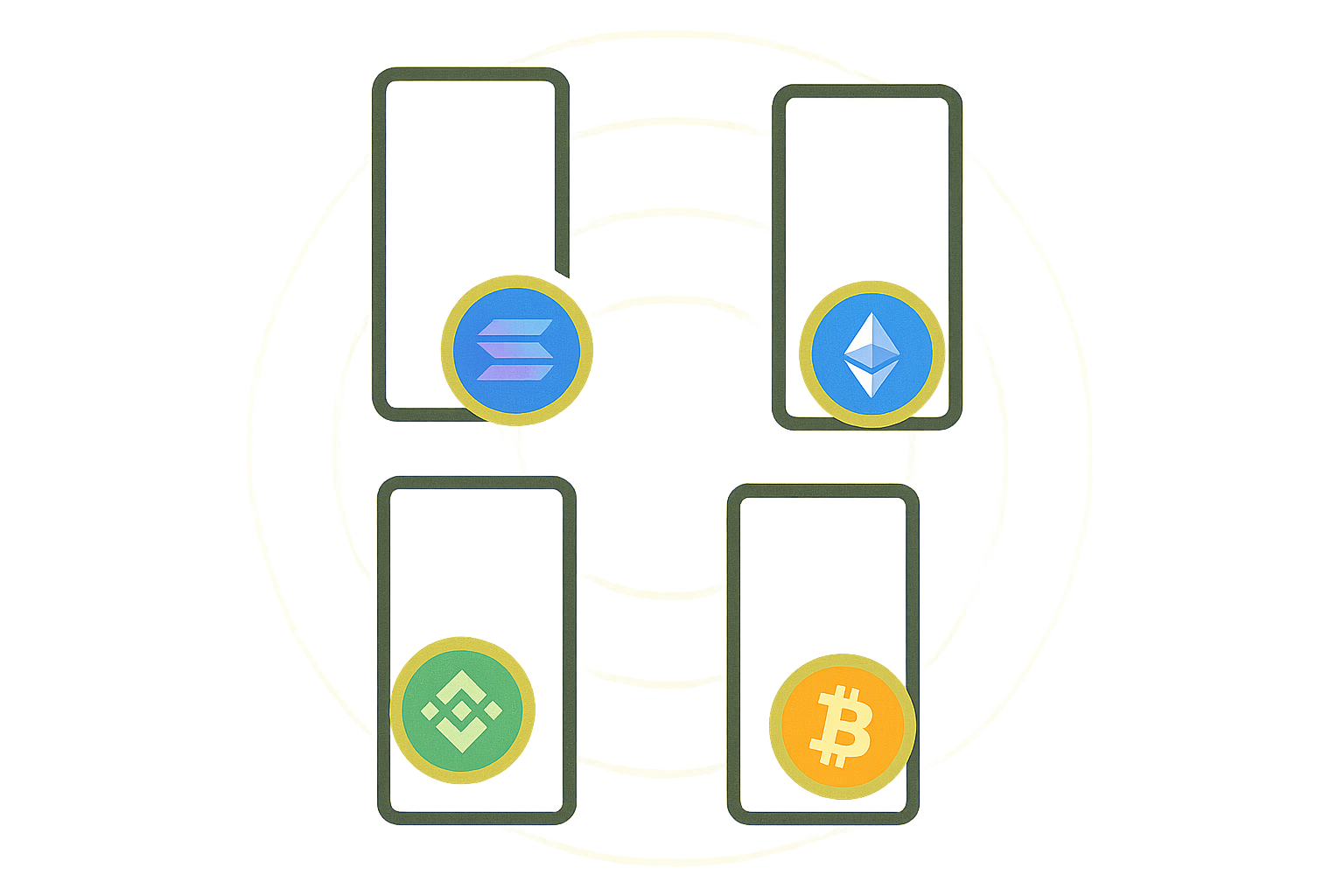
A Complete Guide to the Best Blockchain Phones
Blockchain phones represent a revolutionary convergence of mobile technology and blockchain security, emerging as a significant innovation in the smartphone landscape. First introduced in 2018, these devices are specifically engineered to provide seamless Web3 connectivity, making the decentralized web more accessible to everyday users. While mobile Web3 applications have historically lagged behind their desktop counterparts in terms of user-friendliness, blockchain phones are evolving rapidly to bridge this gap. Much like how Steve Jobs revolutionized personal technology with the iPhone in 2007, blockchain phones continue to evolve, transforming how we interact with blockchain technology in our daily lives.
What's a Blockchain Phone?
A blockchain phone transcends the definition of a conventional smartphone by integrating the most advanced features of mobile technology with the robust security infrastructure of the blockchain ecosystem. At its core, a blockchain phone provides direct blockchain integration, allowing users to seamlessly synchronize with blockchain networks and access decentralized applications (DApps), digital wallets, and blockchain platforms without requiring multiple intermediaries or additional devices.
The security architecture of blockchain phones is unparalleled, inheriting the iron-clad protocols found in hardware crypto wallets. These devices employ multiple layers of protection to safeguard encrypted communication channels, maintain data integrity, and defend against sophisticated cyber threats. Beyond security, blockchain phones incorporate tech-forward functionalities that support emerging technologies such as artificial intelligence (AI), augmented reality (AR), and virtual reality (VR), ensuring users can experience cutting-edge digital innovations without compromising security.
Privacy stands as a cornerstone feature of blockchain phones, addressing the growing concerns around data breaches and privacy violations. These devices empower users with heightened control over their digital assets, ensuring transactions remain confidential and personal data stays truly personal. By combining everyday smartphone utility with the enhanced security and privacy requirements of the digital currency landscape, blockchain phones represent a significant leap forward in mobile technology.
1. HTC Desire 22 Pro: The Metaverse Bet
The HTC Desire 22 Pro positions itself as a gateway to the future of digital interaction by seamlessly merging AI, VR, blockchain, and 5G technologies to bring the metaverse to life. This device functions as more than just a smartphone—it serves as a portal to immersive virtual worlds. The phone connects smoothly with the HTC Viverse ecosystem, enabling users to explore diverse metaverse communities without requiring specialized VR equipment.
The true potential of the HTC Desire 22 Pro is realized when paired with HTC's VIVE Flow VR glasses, creating an unparalleled immersive experience. Users can explore digital worlds, participate in virtual meetings, and enjoy private cinema viewings with unprecedented ease. By acting as a bridge between physical reality and digital environments, the HTC Desire 22 Pro aims to revitalize interest in the metaverse by replacing cumbersome user interfaces with seamless digital immersion and intuitive experiences.
2. Solana Saga: The First Web3 Native Phone?
The Solana Saga emerged from anticipation and speculation, materializing as a flagship product designed to deliver a mobile-centric Web3 experience. Developed by Solana Mobile, a subsidiary of Solana Labs, this Android-based device offers seamless access to Solana DeFi protocols, NFT marketplaces, and Web3 applications while on the move.
A defining feature of the Solana Saga is its integrated Seed Vault, which provides utmost transactional security. The vault protects cryptographic seeds from potential threats using secure hardware and AES encryption, ensuring wallets cannot directly access seeds. This security framework enables users to complete transactions with just a tap, significantly optimizing the DApp user experience.
The Saga's potential to support DApps on the Solana blockchain is substantial. The platform showcases popular applications such as Audius, Dialect, and various NFT marketplaces, positioning the device as a powerful tool for managing crypto and NFT holdings from mobile devices. Strategic partnerships with renowned platforms have enhanced the phone's ecosystem, providing users with an unparalleled Web3 mobile experience. The second generation, known as "Chapter 2," continues to advance the blockchain phone market.
3. IMPulse K1: Voice Over Blockchain
The IMPulse K1 by CryptoDATA represents a secure dual-mode smartphone that prioritizes robust privacy and security features. Leveraging blockchain technology, the Voice Over Blockchain Protocol (VOBP), and military-grade encryption, this device comprehensively safeguards communications and data.
The phone supports encrypted calls, video calls, messages, and data storage, maintaining security even without a mobile network connection. It offers a comprehensive suite of secure applications, including VAULT for managing virtual identities, WISPR for secure messaging, and B-MAIL for encrypted emails. The IMPulse K1 can function as a regular smartphone while providing users with significantly greater control over their privacy and security, making it an attractive option for security-conscious individuals.
4. Is the Ethereum Phone the Next Big Thing?
The Ethereum Phone (ΞPhone) made a strategic debut with a limited initial release, requiring buyers to possess an ethOS NFT to reserve their device. This unique approach involved burning the NFT to secure the phone purchase, creating an exclusive community of early adopters.
Built on the reliable framework of the Google Pixel 7a, the ΞPhone represents a fusion of cutting-edge mobile technology and Web3 potential. What truly distinguishes this device is its unique operating system, ethOS, which differs fundamentally from traditional mobile systems by being open-source and decentralized. This community-driven approach allows for ongoing development and modifications while embracing the core philosophy of Web3 through decentralized governance.
The ΞPhone, powered by ethOS, incorporates groundbreaking features that intertwine the mobile experience with Ethereum's capabilities. These include a built-in Ethereum light client that verifies blockchain transactions without storing entire blockchain data, native integration of Ethereum Name Services (ENS) for simplified, human-readable addresses, and comprehensive EVM and Layer-2 support. This architecture enables seamless interaction with Ethereum-based applications while facilitating faster transactions and reduced fees through layer 2 scaling networks. The combination of innovative features and open-source architecture makes the ΞPhone particularly appealing to developers and technically sophisticated users.
What's Next for Blockchain Phones?
Blockchain phones like the ΞPhone and Solana Saga are pioneering a more integrated Web3 experience, providing users with profound understanding of blockchain capabilities. The ΞPhone leverages its unique ethOS, built-in Ethereum light client, and EVM integration to deliver a comprehensive blockchain experience. Meanwhile, the Solana Saga exemplifies the union of mobile technology with decentralized finance, optimizing the Web3 experience by bridging Solana's DeFi protocols, NFT marketplaces, and Web3 apps with robust security through its Seed Vault.
However, the journey of blockchain phones faces significant roadblocks. The advanced technology and security features contribute to heightened costs that may limit appeal to the broader public. While their security and direct blockchain interaction are unmatched, a potential learning curve can deter less tech-savvy users. Additionally, the DApp ecosystem might feel restrictive compared to the vast application libraries available on conventional smartphones.
Innovative solutions are emerging to address these challenges. Nova Labs offers affordable mobile plans powered by 5G hotspots on decentralized networks, representing a significant stride toward making blockchain phones more accessible. Collaborations with major carriers provide seamless connectivity while rewarding hotspot owners with cryptocurrency, demonstrating a model that Internet of Things companies could adopt to compete with centralized providers.
Conclusion
Blockchain phones represent a seamless blend of mobile technology with blockchain's secure foundation, offering direct access to DApps and digital wallets while maintaining top-tier security features that guard against cyber threats. These devices fully embrace innovations like AI, AR, and VR while prioritizing user privacy, providing secure transactions and safeguarding personal data.
For blockchain phones to achieve mainstream adoption, phone manufacturers and blockchain enterprises must carefully observe the successes and pitfalls of current offerings. The objective extends beyond appealing solely to crypto enthusiasts—attracting those curious about cryptocurrency while providing a user-friendly experience is vital for wider adoption. Devices like the HTC Desire 22 Pro demonstrate this potential by allowing users to effortlessly navigate various metaverse communities without specialized VR equipment.
For those who witnessed the dawn of the smartphone era, the limitless possibilities offered by blockchain phones evoke a sense of technological revolution. As these devices continue to evolve and mature, the pressing question remains: who will emerge as the iPhone of the Web3 generation, defining the standard for blockchain-enabled mobile technology for years to come?
FAQ
What is a blockchain phone?
A blockchain phone is a device with built-in cryptocurrency features, including a secure wallet, enabling direct blockchain transactions and enhanced privacy for digital assets.
Share
Content
How to Buy Cryptocurrency


Trending Cryptocurrencies



XZXX: A Comprehensive Guide to the BRC-20 Meme Token in 2025

Bitcoin Fear and Greed Index: Market Sentiment Analysis for 2025
Top Crypto ETFs to Watch in 2025: Navigating the Digital Asset Boom

5 ways to get Bitcoin for free in 2025: Newbie Guide

Bitcoin Market Cap in 2025: Analysis and Trends for Investors

2025 Bitcoin Price Prediction: Trump's Tariffs' Impact on BTC
Dropee Daily Combo December 12, 2025
Tomarket Daily Combo December 12, 2025
Guide to Participating and Claiming SEI Airdrop Rewards

Effective Strategies for Algorithmic Trading in Cryptocurrency
Understanding Bitcoin Valuation with the Stock-to-Flow Model