Apa Itu Integrated Circuit?
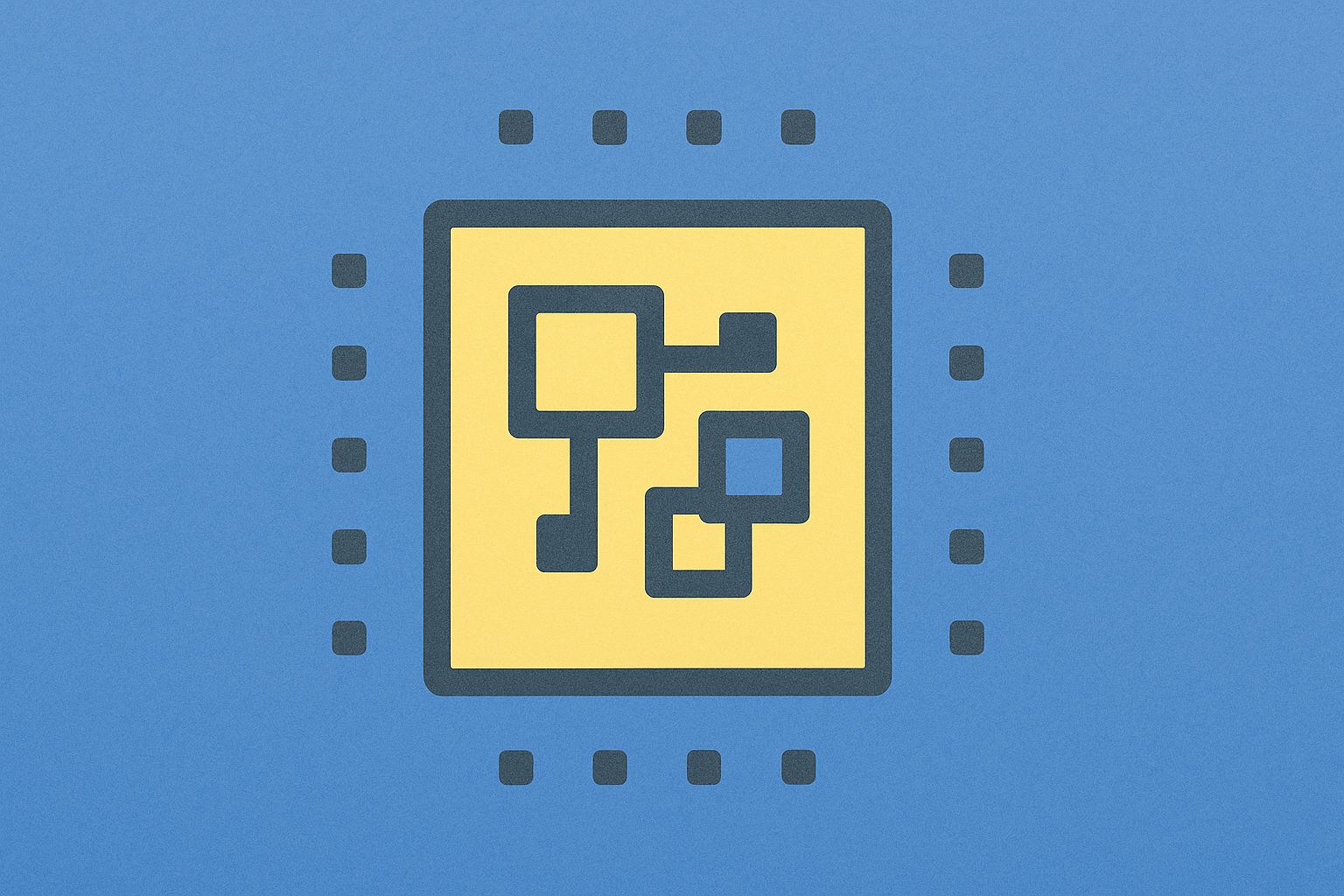
Integrated circuit (IC) adalah chip mini yang menggabungkan banyak komponen elektronik ke dalam satu substrat, sehingga perangkat dapat melakukan komputasi dan komunikasi secara cepat serta andal. IC berfungsi sebagai otak sekaligus sistem saraf peralatan elektronik, bertanggung jawab untuk memproses informasi dan mengirim instruksi.
Istilah “semikonduktor” merujuk pada material yang konduktivitas listriknya berada di antara konduktor dan isolator, sehingga dapat mengatur aliran listrik dalam beragam kondisi. Transistor, yang merupakan saklar kecil pada semikonduktor, disusun dalam jumlah besar untuk membentuk struktur logika dan memori yang menjadi inti dari integrated circuit.
Bagaimana Cara Kerja Integrated Circuit?
Prinsip utama integrated circuit adalah koordinasi operasi dari banyak transistor yang berfungsi sebagai mikro-saklar. Dengan membaca level tegangan sebagai “1” atau “0”, transistor membentuk gerbang logika, unit sirkuit, dan struktur memori. Semua elemen ini dikemas dalam wafer silikon dan dihubungkan melalui kabel logam.
Misalnya, pada operasi penjumlahan, adder yang terdiri dari beberapa gerbang logika memproses input biner secara bertahap, disinkronkan dengan sinyal clock untuk menghasilkan hasil akhir. CPU digunakan untuk komputasi umum, GPU unggul dalam pemrosesan paralel untuk grafis dan matriks, sementara chip khusus dioptimalkan untuk tugas tertentu.
Apa Peran Integrated Circuit dalam Web3?
Integrated circuit memiliki tiga peran utama di lingkungan Web3: menyediakan daya komputasi, memastikan keamanan, dan meningkatkan konektivitas. Sumber daya komputasi berasal dari CPU, GPU, atau akselerator khusus untuk menjalankan node blockchain, memvalidasi transaksi, dan menghasilkan zero-knowledge proof. Keamanan biasanya bergantung pada chip keamanan tahan manipulasi yang melindungi aset penting seperti private key. Konektivitas meliputi network card, router, chip NFC, dan modul komunikasi jarak pendek lainnya yang memungkinkan perangkat terhubung dengan jaringan.
Contohnya, pada skenario exchange seperti penarikan besar di Gate, banyak pengguna menggunakan hardware wallet untuk penandatanganan offline. Integrated circuit yang aman di hardware wallet menyimpan private key dan melakukan proses tanda tangan yang terotorisasi, sehingga risiko eksposur kunci dapat diminimalkan.
Bagaimana Integrated Circuit Menjalankan Node Blockchain?
Node blockchain adalah komputer yang berpartisipasi dalam konsensus jaringan dan penyebaran data. Node membutuhkan CPU, memori, dan storage yang stabil—semuanya disediakan oleh integrated circuit.
- Langkah 1: Evaluasi kebutuhan blockchain. Setiap public chain memiliki standar berbeda untuk performa CPU, kapasitas memori, dan disk I/O; mulai dengan memeriksa dokumentasi node resmi untuk spesifikasi hardware dan bandwidth.
- Langkah 2: Pilih CPU dan memori. CPU menjalankan verifikasi blok dan logika jaringan, sedangkan memori menyimpan data status dan antrean transaksi. Validator node sebaiknya memilih CPU multi-core dan memori besar untuk menangani beban puncak.
- Langkah 3: Konfigurasi storage dan jaringan. Kontroler SSD dan flash memory (jenis integrated circuit) menentukan kecepatan baca/tulis serta daya tahan; chip network card memengaruhi throughput dan latensi. Full node sebaiknya menggunakan SSD yang andal dan bandwidth gigabit atau lebih tinggi.
- Langkah 4: Pastikan suplai daya dan pendinginan. Chip manajemen daya dan sensor termal penting untuk operasi stabil—penyaluran daya dan pembuangan panas yang baik meningkatkan uptime dan konsistensi data.
- Langkah 5: Perkuat keamanan. Aktifkan trusted module pada motherboard atau chip keamanan khusus (misal secure boot) untuk mencegah manipulasi firmware; lakukan operasi kunci pada perangkat yang terisolasi guna mengurangi risiko serangan.
Bagaimana Integrated Circuit Digunakan dalam Mesin Mining dan ASIC?
Pada skenario mining proof-of-work, integrated circuit umumnya berbentuk ASIC—application-specific integrated circuit yang dirancang khusus untuk satu tugas. ASIC dioptimalkan untuk efisiensi maksimal pada komputasi hash Bitcoin, melampaui CPU/GPU umum dalam hal kecepatan dan konsumsi energi.
Dalam beberapa tahun terakhir, hardware mining semakin efisien, konsumsi daya per unit hash rate turun drastis. Hal ini memungkinkan mining farm memperoleh hash rate lebih tinggi dengan listrik yang sama. Peningkatan ini didorong oleh kemajuan fabrikasi transistor, optimasi layout, dan pengembangan chip manajemen daya.
Bagaimana Integrated Circuit Berkaitan dengan Keamanan Hardware Wallet?
Hardware wallet mengandalkan chip keamanan—jenis integrated circuit yang dirancang tahan manipulasi fisik dan serangan side-channel—untuk menyimpan private key dengan aman dan melakukan tanda tangan hanya setelah otorisasi pengguna. Private key adalah kunci utama aset digital; jika dikompromikan, dana bisa langsung hilang.
- Langkah 1: Pilih perangkat dengan chip keamanan bersertifikat. Verifikasi detail produsen terkait model chip, standar sertifikasi, dan dukungan firmware yang dapat diverifikasi.
- Langkah 2: Buat kunci dan backup secara offline. Biarkan chip keamanan menghasilkan private key secara lokal di perangkat; backup recovery phrase di kertas atau logam dan jauhkan dari lingkungan online.
- Langkah 3: Verifikasi detail transaksi saat menandatangani. Gunakan layar atau modul konfirmasi terpisah untuk memeriksa alamat penerima dan jumlah—chip keamanan hanya mengeluarkan tanda tangan setelah konfirmasi tanpa mengekspose private key.
- Langkah 4: Koordinasikan dengan proses exchange. Saat menarik dari Gate, tanda tangani transaksi dengan hardware wallet dan aktifkan autentikasi dua faktor untuk mengurangi risiko kompromi simultan.
Apa Perbedaan Integrated Circuit dan Sirkuit Tradisional?
Sirkuit tradisional dirakit dari komponen diskrit (resistor, kapasitor, transistor) yang disolder ke papan sirkuit—desainnya cenderung besar, banyak sambungan, dan risiko kegagalan lebih tinggi. Integrated circuit mengkonsolidasikan fungsi tersebut ke satu chip, sehingga ukurannya lebih kecil, kecepatan lebih tinggi, konsumsi daya lebih rendah, keandalan lebih tinggi, dan biaya produksi massal lebih efisien.
Itulah sebabnya smartphone bisa tipis namun bertenaga, mesin mining semakin efisien, dan hardware wallet tetap ringkas sekaligus aman menyimpan kunci—keunggulan integrasi pada level sistem.
Apa yang Harus Diperhatikan Saat Membeli Integrated Circuit?
Saat memilih hardware untuk node atau mesin mining, perhatikan spesifikasi chip, kemampuan pendinginan/daya, dan komitmen produsen terhadap update firmware. Untuk hardware wallet, teliti sumber/sertifikasi chip keamanan serta keterbukaan dan verifikasi perangkat.
Risiko rantai pasok sangat penting: chip palsu, firmware yang dimanipulasi, atau perangkat rekondisi bisa menjadi ancaman tersembunyi. Demi keamanan aset, jangan pernah mempercayakan simpanan besar pada perangkat yang tidak jelas; selalu beli melalui kanal resmi, verifikasi fitur anti-pemalsuan dan status penggunaan pertama, serta siapkan backup berlapis.
Apa Tren Terkini Integrated Circuit—dan Keterkaitannya dengan Web3?
Pada Februari 2024, Semiconductor Industry Association (SIA) melaporkan penjualan semikonduktor global sekitar US$527 miliar untuk tahun 2023—menunjukkan chip tetap menjadi inti masyarakat informasi (Sumber: SIA, 2024-02). Permintaan dari AI dan kriptografi mendorong pertumbuhan akselerator khusus dan chip keamanan.
Untuk Web3, dua tren menonjol: akselerasi hardware untuk zero-knowledge proof dan algoritma kriptografi memungkinkan verifikasi on-chain lebih cepat dengan konsumsi energi lebih rendah; sementara chip keamanan yang lebih kuat dan trusted execution environment membantu melindungi kunci/tanda tangan di lingkungan yang lebih andal—meningkatkan keamanan aset melalui kontrol risiko yang lebih baik bagi exchange dan wallet.
Ringkasan Utama Integrated Circuit
Integrated circuit mengintegrasikan banyak komponen elektronik dalam satu chip—menyediakan kemampuan komputasi, penyimpanan, dan konektivitas yang menjadi fondasi infrastruktur Web3. IC mendukung node dan mesin mining dengan kekuatan pemrosesan, sementara chip keamanan melindungi private key. Pemilihan hardware harus menyeimbangkan performa, efisiensi, manajemen termal, rantai pasok terpercaya—serta menerapkan strategi keamanan dan backup berlapis. Ke depan, akselerator khusus dan fitur keamanan canggih akan semakin terintegrasi dengan sistem Web3 untuk mendorong peningkatan performa dan keamanan.
FAQ
Apakah Integrated Circuit Sama dengan Chip?
Ya—istilah “integrated circuit” dan “chip” merujuk pada konsep yang sama dan bisa digunakan secara bergantian. Integrated circuit mengintegrasikan ribuan hingga jutaan komponen elektronik dalam wafer silikon kecil melalui proses manufaktur khusus. Secara sederhana, “chip” adalah nama umum untuk integrated circuit—seperti “komputer” dan “PC.”
Apa Singkatan Bahasa Inggris untuk Integrated Circuit?
Istilah lengkapnya adalah “Integrated Circuit,” disingkat IC. Karena itu, sering terdengar istilah “IC chip”—di sini IC artinya integrated circuit. Dalam dokumentasi teknis dan komunikasi internasional, IC adalah istilah profesional standar.
Bagaimana Integrated Circuit Diproduksi?
Integrated circuit diproduksi dengan proses fabrikasi mikroelektronik yang melibatkan desain, fotolitografi, etching, doping, dan lainnya. Pada dasarnya, teknik presisi tinggi digunakan untuk mencetak pola sirkuit pada wafer silikon; berbagai material kemudian ditambahkan untuk membentuk transistor dan koneksi. Chip modern memiliki presisi skala nanometer—miliaran transistor dapat dimuat dalam chip seukuran kuku.
Mengapa Integrated Circuit Penting untuk Blockchain?
Integrated circuit menyediakan hardware utama yang menjalankan operasi blockchain. Mesin mining dan server validator node mengandalkan chip berkinerja tinggi untuk menjalankan kalkulasi kriptografi dan pemrosesan data kompleks. Chip yang lebih efisien berarti konsumsi energi lebih rendah dan komputasi lebih cepat—langsung memengaruhi profitabilitas mining dan keamanan jaringan. Peningkatan performa chip mendorong pertumbuhan industri blockchain.
Risiko Apa yang Perlu Diperhatikan Saat Membeli Chip Integrated Circuit?
Risiko utama saat membeli chip meliputi: risiko sumber (selalu beli dari kanal resmi untuk menghindari barang palsu); risiko performa (batch chip bisa berbeda—uji dulu dalam jumlah kecil); risiko update (teknologi chip berkembang cepat—cek generasi produk sebelum membeli). Pilih pemasok bereputasi dan simpan bukti pembelian.