As Web3 projects gradually expand beyond purely financial applications into real-world consumer scenarios, the importance of tokenomics has become increasingly clear. Whether a project can build long-term value depends not only on its technology and user base, but also on whether its token can form a meaningful connection with real business use cases.
As the core token of the Staynex social travel platform, STAY is designed around the idea of “long-term value driven by real consumer demand.” By integrating membership benefits, booking rewards, and a platform revenue buyback mechanism into one unified token model, STAY not only serves as an internal ecosystem incentive, but also acts as an important medium connecting user benefits with the value created by platform growth.
STAY Tokenomics: Total Supply, Allocation, and Token Use Cases
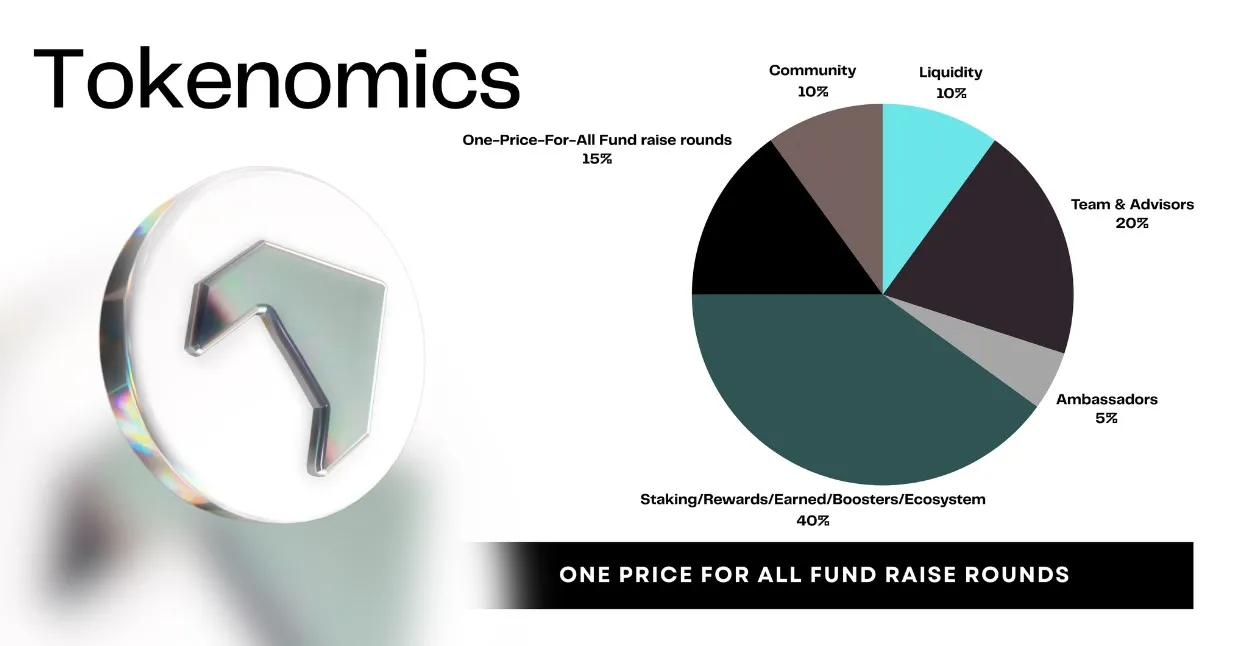
STAY is the core utility token of the Staynex platform, with a total supply of 100 billion tokens. Its main purpose is to connect user spending behavior with the platform’s benefits system.
On traditional travel platforms, users usually receive only points or coupons after completing a booking. These rewards are more like short-term promotional tools and do not create long-term asset value. STAY works differently. It is not only a reward medium on the platform, but also an important credential for users to enter the Staynex membership ecosystem.
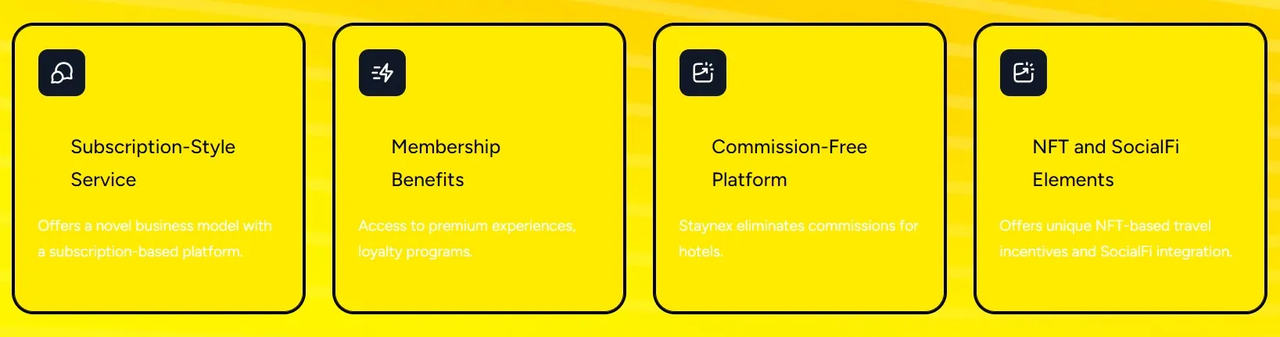
Users can hold and stake STAY to access higher-tier membership benefits, including booking cashback, exclusive discounts, and platform-only rewards. This means demand for STAY does not come only from the trading market. It also comes from real membership and consumption needs within the platform ecosystem. This design gives the token stronger practical utility and provides a foundation for token demand.
How Does STAY Support the Ocean Club Membership System?
Ocean Club is Staynex’s tiered membership system and one of the key sources of demand for the STAY token. Users stake a certain amount of STAY to obtain a membership tier, with different tiers corresponding to different booking cashback rates and exclusive benefits. As users move up the membership levels, they can enjoy higher reward rates and more platform benefits.
This mechanism makes STAY more than just a reward token. It becomes a core part of the platform’s benefits system. Users who want to access higher-tier benefits need to hold and stake STAY over the long term, creating sustained demand. Compared with traditional platforms that determine membership tiers based on spending amounts, Staynex links membership benefits to on-chain assets. This gives membership status an asset-based attribute and further encourages users to participate in the platform ecosystem over the long run.
How Does the STAY Reward Mechanism Work?
On the Staynex platform, users can receive STAY rewards after completing hotel bookings or participating in ecosystem activities. The significance of this reward mechanism is that it turns users’ spending behavior into accumulable on-chain assets, allowing every platform transaction to generate additional value.
From the platform’s perspective, this reward model can improve user activity and repeat purchase rates. Users do not use the platform only to complete travel bookings. They also remain within the ecosystem because of STAY rewards and membership benefits. Once the reward mechanism is combined with the membership system, it can create a positive cycle of “spending, rewards, staking, and upgraded benefits,” thereby strengthening user stickiness across the entire platform.
How Does Shield Protocol Provide Value Support for STAY?
Staynex has introduced Shield Protocol for STAY to feed part of the platform’s revenue back into token value. According to the official mechanism, the platform allocates 20% of its net revenue to buying back STAY, burning tokens, and locking liquidity pools. This mechanism allows platform business growth to directly affect the token’s supply and demand structure.
Buybacks increase market demand, burns reduce circulating supply, and liquidity locking helps lower the risk of market volatility. Together, the three form a value support loop, allowing STAY’s long-term value to depend not only on market sentiment, but also to benefit from platform revenue growth.
This is also what sets STAY apart from many tokens that rely purely on market speculation. Its value logic is built on platform business growth, creating a more direct link between the token and the platform’s operating performance.
What Is the Core Value of STAY’s Tokenomics Model?
The core of STAY’s tokenomics model lies in a dual engine of “ecosystem demand plus platform revenue buybacks.” Ecosystem demand comes from users needing to hold and stake STAY to access membership benefits, while platform revenue buybacks allow platform growth to support token value in return.
The advantage of this model is that it takes both usage demand and value capture into account. On one hand, users need STAY because of membership benefits. On the other hand, platform revenue growth can increase token scarcity through buybacks and burns. Together, these two forces make STAY more than a spending reward tool. It becomes a value carrier deeply tied to the growth of the platform’s business.
For Web3 projects, this kind of token model with real business support can help strengthen the connection between the token model and the platform ecosystem.
What Are the Risks and Limitations of STAY’s Tokenomics Model?
Although STAY has established a relatively clear token model through membership staking and the revenue buyback mechanism, its effectiveness still depends on platform user growth and business revenue performance. If booking volume is insufficient, the actual support provided by the buyback mechanism may be limited. At the same time, whether membership staking demand can be maintained over the long term also depends on whether the platform’s benefits remain attractive.
In addition, the Web3 travel market is still in its early stages, and user adoption as well as market competition may affect how well the token model operates. Therefore, whether STAY’s token mechanism can continue to play an effective role still needs to be evaluated alongside the platform’s operating performance.
Conclusion
STAY is the core value carrier of the Staynex Web3 social travel ecosystem, and its tokenomics model is built around membership benefits, platform rewards, and the revenue buyback mechanism. Through the Ocean Club membership system, STAY gains stable ecosystem demand. Through Shield Protocol, platform revenue provides long-term value support for STAY.
This dual mechanism of “membership benefits driving demand plus revenue growth supporting value” makes STAY more than a utility token. It is also an important link connecting user benefits with platform growth.
FAQs
What Are the Main Uses of the STAY Token?
STAY is mainly used for Ocean Club membership staking, platform reward access, and platform benefit redemption. It also serves an ecosystem value capture function through the buyback and burn mechanism.
How Does Ocean Club Increase Demand for STAY?
Users need to stake STAY to access higher-tier membership benefits, so the membership system can continuously encourage users to hold and lock STAY, thereby increasing token demand.
How Does Shield Protocol Support STAY’s Value?
Shield Protocol allocates 20% of the platform’s net revenue to buybacks, burns, and liquidity locking, strengthening STAY’s long-term value support by increasing demand and reducing supply.
Because the platform allocates part of its revenue to buying back STAY, changes in platform revenue may affect how its token mechanism operates.