Qu’est-ce que le secteur DePIN ?
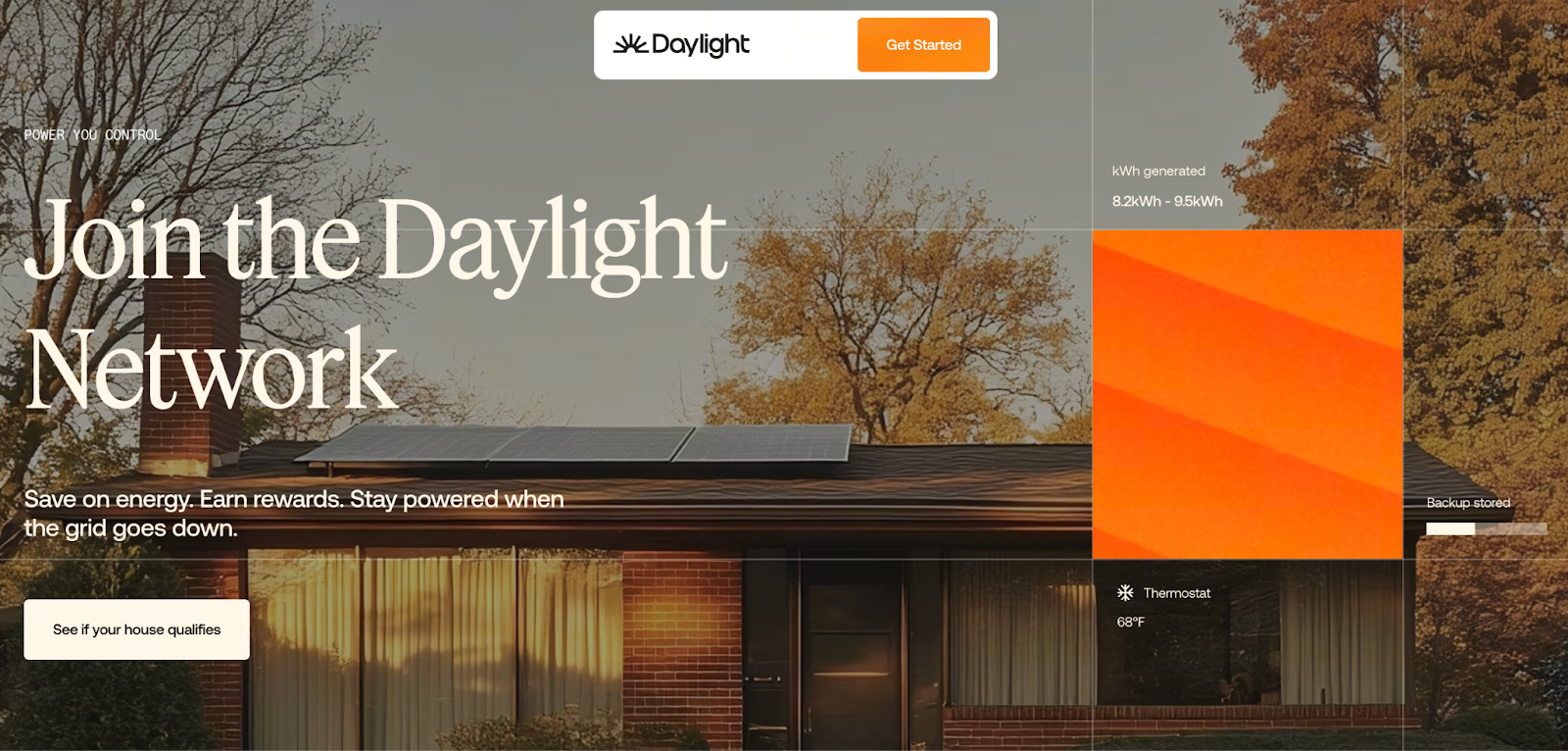
Source de l’image : https://godaylight.com/
DePIN, ou Decentralized Physical Infrastructure Networks, désigne l’utilisation de la blockchain et des systèmes DeFi (Decentralized Finance) pour concevoir et exploiter des infrastructures physiques réelles—énergie, connectivité, transport—selon un modèle décentralisé. Contrairement aux schémas traditionnels dominés par les grands groupes ou les autorités publiques, le secteur DePIN favorise la participation individuelle, la tokenisation d’actifs et le partage des revenus. Par exemple, des panneaux solaires résidentiels et des systèmes de stockage d’énergie peuvent être interconnectés et stimulés par des tokens, constituant ainsi un réseau d’infrastructure physique décentralisée.
Ce concept attire récemment un vif intérêt tant dans le secteur des cryptomonnaies que chez les investisseurs en infrastructures, car il étend le modèle Web3 au monde matériel.
Dans le domaine de l’énergie, un exemple typique consiste à équiper les ménages de systèmes solaires et de stockage reliés à un réseau. Lors des pics de demande sur le réseau, ces dispositifs domestiques peuvent être mobilisés pour soutenir l’approvisionnement, agissant comme une « centrale virtuelle ». Les participants réduisent leur facture électrique tout en pouvant recevoir des tokens du réseau ou autres récompenses. Ce modèle incarne la convergence entre technologies décentralisées et infrastructure matérielle au sein du secteur DePIN.
Daylight : aperçu du financement et parties prenantes majeures
Daylight Energy, société américaine spécialisée dans les réseaux énergétiques décentralisés, a récemment levé 75 millions de dollars. L’opération s’est découpée en deux volets : 15 millions de dollars en financement en actions mené par Framework Ventures, et 60 millions de dollars en financement de développement géré par Turtle Hill Capital.
- a16z crypto, Lerer Hippeau, M13, Room40 Ventures, EV3, Crucible Capital, Coinbase Ventures et Not Boring Capital ont également participé à ce tour.
- Le modèle économique de Daylight transforme les installations solaires et batteries résidentielles en « centrales électriques distribuées », permettant aux utilisateurs de s’abonner pour bénéficier de tarifs réduits et d’offrir leur capacité de stockage au réseau lors des pics de consommation, générant ainsi des revenus. La société a également lancé le protocole DayFi, qui relie le rendement des infrastructures électriques au marché DeFi.
Que révèle ce financement ?
- Le secteur énergétique de DePIN franchit une étape décisive : le financement de Daylight démontre que les réseaux d’infrastructure décentralisés passent du concept à la réalité et suscitent l’intérêt des investisseurs. En tant qu’élément central de l’infrastructure, les solutions énergétiques décentralisées et sur la blockchain attirent désormais des capitaux importants.
- De l’équipement à la valorisation : les modèles classiques solaire+stockage sont coûteux et peu rentables à court terme. En connectant les installations solaires et batteries résidentielles à un réseau et en intégrant des mécanismes de revenus DeFi, Daylight transforme l’électricité en actif financier. Au final, équipements, services et finance convergent.
- Soutien institutionnel fort : l’appui d’investisseurs majeurs comme Framework Ventures et a16z crypto indique que la thématique « crypto et infrastructure réelle » entre à présent dans le champ d’investissement traditionnel et oriente les projets d’avenir.
- Perspectives d’expansion commerciale : Daylight pilote actuellement ses solutions dans l’Illinois et le Massachusetts. Ce financement lui offre la capacité d’accélérer son développement dans de nouvelles régions et d’optimiser le protocole DayFi, renforçant les liens entre DeFi et le marché de l’énergie.
Perspectives et risques à surveiller
Points de vigilance :
- Stratégie d’expansion internationale de Daylight : avec la hausse de la demande énergétique, de plus en plus de ménages pourraient adopter des systèmes distribués.
- Développement du protocole DayFi : permettra-t-il aux investisseurs traditionnels d’accéder aux rendements des réseaux résidentiels de production et de stockage via des plateformes numériques ?
- Environnement réglementaire et politique : les subventions diminuent dans de nombreuses zones et les politiques énergétiques classiques comme distribuées évoluent rapidement.
Risques potentiels :
- L’adoption du marché reste incertaine : les propriétaires accepteront-ils de considérer leurs toits et batteries comme des « centrales électriques » et de s’impliquer dans le réseau ?
- Des défis persistent concernant la capacité de soutien au réseau, les coûts de maintenance des équipements et les délais de retour sur investissement.
- Combiner les mécanismes financiers liés aux cryptomonnaies avec l’infrastructure physique présente une complexité particulière et pourrait rencontrer des risques réglementaires, techniques ou de sécurité.
- L’adaptation locale ainsi que les coûts opérationnels liés à l’expansion régionale pourraient dépasser les prévisions.
Auteur : Max
Clause de non-responsabilité
* Les informations ne sont pas destinées à être et ne constituent pas des conseils financiers ou toute autre recommandation de toute sorte offerte ou approuvée par Gate.
* Cet article ne peut être reproduit, transmis ou copié sans faire référence à Gate. Toute contravention constitue une violation de la loi sur le droit d'auteur et peut faire l'objet d'une action en justice.