Mist Browser (Ethereum DApp Browser)

2026-01-08 03:53:20
DeFi
Ethereum
NFTs
Web 3.0
Web3 wallet
Article Rating : 3.5
half-star
167 ratings
Mist Browser is a pioneering decentralized application browser that has fundamentally transformed Ethereum accessibility by enabling users to interact with DApps, manage digital wallets, and execute smart contracts without extensive technical expertise. This guide explores how Mist Bridge serves as a cornerstone in the Ethereum ecosystem, examining its market significance in driving mainstream adoption and network growth. Discover the technological innovations that secure DApp interactions through advanced sandbox architecture and Web3 API integration. Learn practical applications ranging from DeFi protocols and NFT marketplaces to governance participation, and understand why Mist Browser remains instrumental for developers and investors seeking to capitalize on blockchain opportunities. While Mist is no longer actively maintained, this comprehensive overview demonstrates its enduring impact on blockchain accessibility and the principles that continue shaping next-generation DApp infrastructure.
Mist Browser (Ethereum DApp Browser)

Significance in the Market

The introduction of the Mist Browser marked a transformative milestone in the blockchain and cryptocurrency sectors by fundamentally enhancing user accessibility and interaction with decentralized applications. This browser serves as a cornerstone within the Ethereum ecosystem, integrating essential functionalities that enable everyday users to engage with blockchain technology without requiring extensive technical expertise.

Mist Browser provides comprehensive support for the creation, management, and utilization of digital wallets, empowering users to securely store, send, and receive Ether and various Ethereum-based tokens. This seamless integration removes significant barriers to entry for non-technical users, democratizing access to decentralized finance and blockchain applications. image_url
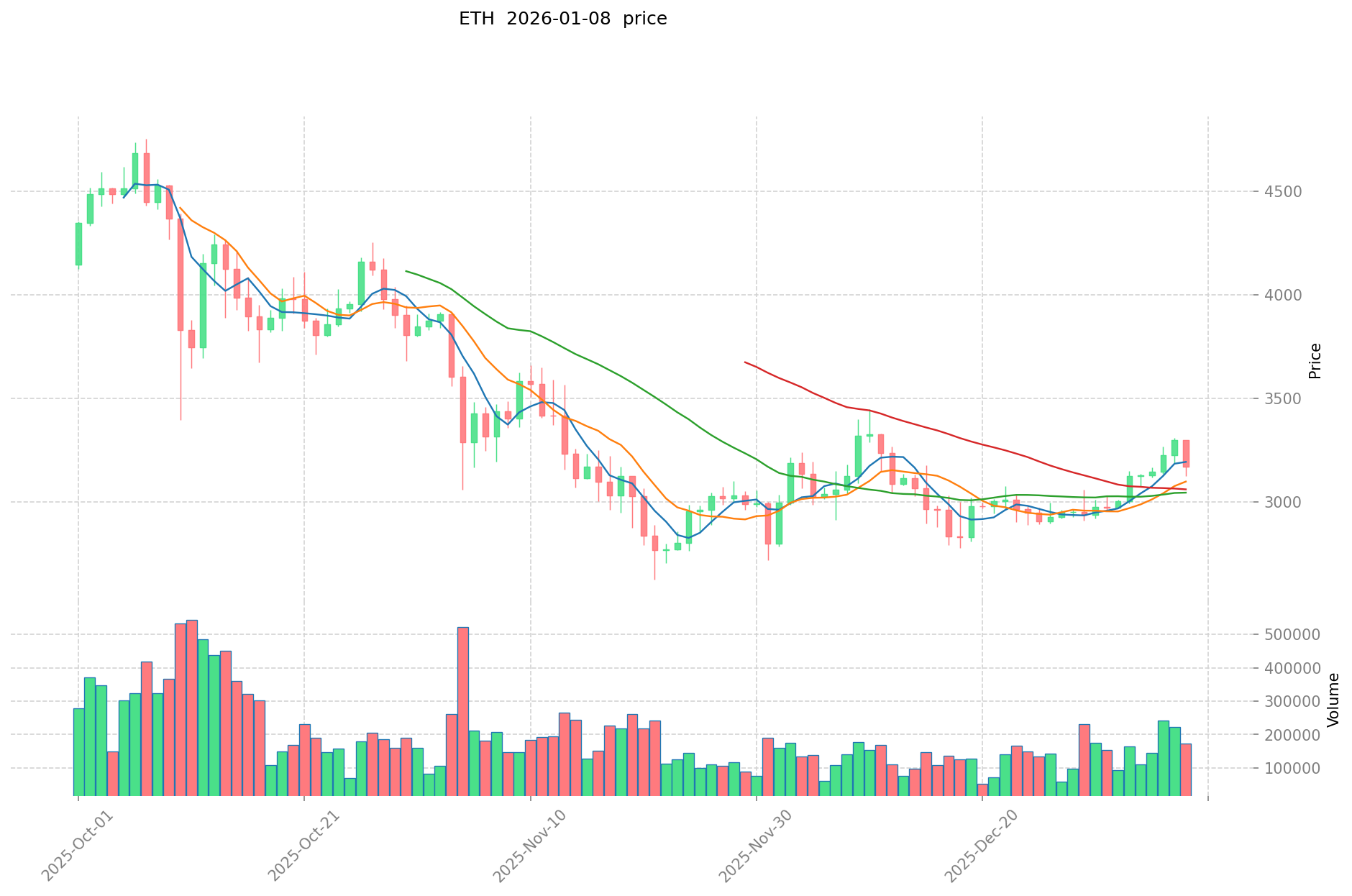
From a market perspective, Mist Browser has been instrumental in driving the adoption of Ethereum and its associated technologies by making them accessible to a broader demographic. This expanded accessibility has proven crucial for the sustained growth of the Ethereum network, directly influencing the value proposition of Ether through increased demand and network utilization. As more users adopt and actively interact with DApps through Mist, the network experiences substantial growth in activity and transaction volume, which subsequently attracts additional investments into the Ethereum ecosystem. This positive feedback loop strengthens Ethereum's market position and reinforces its value as a leading blockchain platform.

Technological Impact

Technologically, Mist Browser represents a significant advancement in blockchain accessibility through its integration of Ethereum's Web3 API. This integration enables decentralized applications to operate seamlessly on any desktop platform supporting JavaScript, effectively bridging the gap between traditional web development and blockchain technology. For developers, this simplification of the DApp creation and deployment process makes Ethereum's platform substantially more attractive for innovation and development.

The browser incorporates sophisticated debugging and testing tools that allow developers to refine their applications directly within the ecosystem. This integrated development environment fosters rapid innovation and accelerates growth within the Ethereum development community by reducing the complexity traditionally associated with blockchain application development.

Mist Browser implements advanced security measures by isolating DApps from the traditional web environment, significantly reducing risks associated with phishing attacks, malware, and other cyber threats. This security architecture is fundamental for maintaining user trust and confidence when interacting with Ethereum-based applications. By providing a secure sandbox environment for DApp execution, Mist Browser helps solidify Ethereum's reputation as a secure and reliable platform for decentralized application development.

Additionally, the browser's architecture supports the execution of smart contracts with enhanced transparency and verification capabilities, allowing users to review contract code before interaction. This transparency mechanism strengthens the trustless nature of blockchain interactions and reinforces the security model that underpins the entire Ethereum ecosystem.

Investor Interest

For investors and market participants, the development and widespread adoption of infrastructure tools like Mist Browser serve as critical indicators of the Ethereum platform's overall health and future growth potential. A robust, user-friendly DApp browser ensures that Ethereum maintains its competitive edge in blockchain technology, potentially driving increased demand for Ether and contributing to appreciation in its market value.

Investors seeking to capitalize on the growth trajectory of decentralized technologies carefully evaluate factors such as ecosystem accessibility and technological advancement—areas where Mist Browser makes direct and measurable contributions. The browser's role in lowering entry barriers and improving user experience translates into tangible network effects that benefit the entire Ethereum ecosystem.

As Mist Browser facilitates an increasing volume of transactions across the Ethereum network, it contributes significantly to overall economic activity on the blockchain. This heightened activity generates increased transaction fees, creating economic incentives that benefit miners and validators, which in turn strengthens the entire network's security and sustainability. This economic dynamic attracts additional developers and users, establishing a virtuous cycle that compounds value for long-term investors.

Furthermore, the browser's support for DeFi applications and token-based economies enables investors to participate in emerging financial primitives and novel economic models. This expanded functionality creates new investment opportunities and use cases that extend beyond simple cryptocurrency holdings, diversifying the value proposition of the Ethereum ecosystem.

Practical Usage and Examples

In practical application, Mist Browser serves a diverse range of Ethereum network participants, from developers creating and testing innovative decentralized applications to everyday users interacting with established DApps. The browser provides an intuitive interface that abstracts complex blockchain interactions into familiar web browsing experiences.

For instance, popular DApps like CryptoKitties, which pioneered the concept of blockchain-based collectibles by allowing users to buy, sell, and breed unique digital cats, became accessible to mainstream users through Mist Browser. This accessibility demonstrated how blockchain technology could support engaging consumer applications beyond financial use cases, opening new markets and use cases for Ethereum.

In the realm of decentralized finance (DeFi), Mist Browser plays a crucial role in enabling secure interactions with financial protocols. Platforms such as Uniswap, which facilitate decentralized token exchanges through automated market makers, rely on browsers like Mist to provide users with secure interfaces to their smart contracts. This interaction model preserves the decentralized ethos of these platforms, ensuring users maintain complete control over their funds without requiring trusted intermediaries or centralized custody solutions.

Additional practical applications include:

  • Decentralized Identity Management: Users can manage their digital identities and credentials through DApps accessed via Mist Browser
  • Governance Participation: Token holders can participate in decentralized autonomous organization (DAO) governance by voting on proposals through secure DApp interfaces
  • NFT Marketplaces: Artists and collectors interact with non-fungible token platforms to create, buy, and sell digital assets
  • Lending Protocols: Users can supply liquidity or borrow assets through DeFi lending platforms with transparent, auditable smart contract interactions

Conclusion

The Mist Browser represents a foundational technology within the Ethereum ecosystem, substantially enhancing the accessibility, security, and functionality of decentralized applications. By providing an effective bridge between traditional web users and the decentralized web, Mist has played a crucial role in advancing mainstream adoption of blockchain technology.

Its impact extends across multiple dimensions—market adoption, technological innovation, and investment opportunities—establishing it as an essential tool for participants throughout the Ethereum ecosystem. While Mist Browser was specifically engineered for Ethereum, its conceptual framework and core functionalities have influenced parallel developments across other blockchain platforms, underscoring its significance within the broader blockchain community.

As blockchain technology has evolved over recent years, dedicated infrastructure tools like Mist Browser have been pivotal in shaping the landscape of decentralized applications and the emerging digital economy. The browser's contributions to user experience, security standards, and developer accessibility have established benchmarks that continue to influence the design and implementation of blockchain interfaces across the industry.

Looking forward, the principles embodied by Mist Browser—user-centric design, security-first architecture, and seamless blockchain integration—will continue to guide the development of next-generation tools that further democratize access to decentralized technologies and expand the reach of blockchain applications into mainstream use cases.

FAQ

What is Mist Browser? How does it differ from ordinary browsers?

Mist Browser is a decentralized application browser built for Ethereum. Unlike ordinary browsers designed for Web2, Mist enables direct interaction with Ethereum-based decentralized applications and smart contracts. It integrates blockchain functionality natively, allowing users to manage digital assets and engage with DApps seamlessly. Note: Mist is no longer actively maintained.

How to use Mist Browser to connect to Ethereum network and access DApp applications?

Download Mist Browser, create an account, and select the Ethereum network. Use the integrated wallet to interact with DApps directly through the browser interface.

How to use Mist Browser's wallet function? How to securely manage private keys and conduct transactions?

Mist Browser's wallet stores Ethereum and ERC-20 tokens. Secure your private keys with hardware wallets or encrypted backups. Always verify transaction details before confirming transfers to prevent errors.

Which DApps does Mist Browser support? How to interact with smart contracts on it?

Mist Browser supports Ethereum DApps. Users interact with smart contracts through its graphical interface by compiling Solidity code, inputting deployment parameters like gas price and limit, then executing transactions directly within the browser.

What security risks does Mist Browser have? What precautions should I take when using it?

Mist Browser may face phishing and malware risks. Users should avoid clicking suspicious links, keep software updated, enable security features, and verify smart contract interactions carefully before confirming transactions.

Mist Browser is no longer actively maintained. Recommended alternatives include MetaMask, WalletConnect, and Brave Browser, which offer better security and ongoing support for Ethereum DApp interactions.

* The information is not intended to be and does not constitute financial advice or any other recommendation of any sort offered or endorsed by Gate.
Related Articles
What is ETH: A Comprehensive Guide to Ethereum's Native Cryptocurrency

What is ETH: A Comprehensive Guide to Ethereum's Native Cryptocurrency

This comprehensive guide explores Ethereum (ETH), its technical architecture, market performance, and significance as the second-largest cryptocurrency by market cap. Covering Ethereum's development history, decentralized network operation, smart contract functionality, and market metrics, it assists readers in understanding its ecosystem, partnerships, and challenges. Ideal for developers, investors, and cryptocurrency enthusiasts, the article delivers insights on Ethereum's blockchain technology, scalability issues, and community dynamics. It also suggests ways to participate in the Ethereum ecosystem, making it a valuable resource for those interested in decentralized finance and blockchain innovation.
2025-09-09 07:56:40
What Is the Ethereum Mainnet? Understanding the Core Blockchain

What Is the Ethereum Mainnet? Understanding the Core Blockchain

Explore the Ethereum mainnet, the pivotal backbone of the Ethereum ecosystem, where real transactions, smart contracts, and dApps thrive. This article elucidates core concepts such as transactions, validators, and gas fees vital for understanding blockchain functionality. It highlights differences between mainnet and testnet environments and examines features catalyzing the Web3 revolution, including smart contracts and NFTs. Ideal for developers, blockchain enthusiasts, and beginners, it offers insights into navigating Ethereum through platforms like Gate, enhancing your grasp of decentralized finance and digital ownership.
2025-09-12 17:26:24
What is WCT: Understanding the Water Cooling Technology in Modern Computing Systems

What is WCT: Understanding the Water Cooling Technology in Modern Computing Systems

The article delves into WalletConnect Token (WCT), a pivotal framework in the Web3 ecosystem launched in 2025, fostering enhanced connectivity across DeFi, NFTs, and blockchain applications. It discusses WalletConnect's historical evolution, technical architecture, and market dynamics, addressing challenges such as scalability, regulatory issues, and competition. The article provides insight into WalletConnect's decentralized operations, secure transaction protocols, and strategic partnerships, while highlighting its community-driven growth. Market performance metrics and future roadmap aim to assist developers, investors, and Web3 enthusiasts in understanding WCT's significant impact and opportunities for engagement.
2025-09-30 09:38:58
What is a Web3 Wallet? A Complete Guide to Web3 Wallets

What is a Web3 Wallet? A Complete Guide to Web3 Wallets

The article, "What is a Web3 Wallet? A Complete Guide to Web3 Wallets," delves into the transformative power of Web3 wallets in decentralized finance, highlighting their role as secure gateways for managing digital assets and interacting with blockchain networks. It discusses how Web3 wallets provide true ownership and control over assets, facilitate seamless interaction with dApps, and enhance asset management across various platforms. Key sections explore top security features such as encryption and multisignature capabilities, as well as the advanced functionalities like NFT support and staking integration. Aimed at crypto users and blockchain enthusiasts, this guide offers insights into using and securing Web3 wallets, underscoring their centrality to the evolving decentralized landscape.
2025-10-23 10:54:57
How to Measure Crypto Community Engagement: A Deep Dive into Social Media Metrics and DApp Ecosystems

How to Measure Crypto Community Engagement: A Deep Dive into Social Media Metrics and DApp Ecosystems

The article explores how to measure crypto community engagement by diving into social media metrics, community interaction, developer contributions, and DApp ecosystems. It highlights Ethereum's strengths with detailed insights into Twitter and Telegram influences, Reddit engagement, and GitHub activity, offering valuable data for cryptocurrency projects and investors. Key queries addressed include how social media presence impacts market value and how developer contributions affect platform growth. With sections dedicated to each metric category, the article effectively guides readers through understanding and applying these insights, making it ideal for crypto enthusiasts and analysts.
2025-10-27 11:29:36
How Does Ethereum's Community Vibrancy Impact Its Ecosystem Growth in 2025?

How Does Ethereum's Community Vibrancy Impact Its Ecosystem Growth in 2025?

This article explores the influence of Ethereum's vibrant community on its ecosystem growth in 2025, highlighting its social media dominance with 15 million Twitter followers and active developer contributions from over 4,000 weekly developers. It delves into Ethereum’s thriving developer ecosystem with 31,869 active participants and its expansive decentralized application (DApp) landscape, boasting over 3,000 active DApps and 1 million daily users. The analysis addresses cryptocurrency enthusiasts, developers, and investors interested in Ethereum’s ecosystem dynamics. Key sections cover social media metrics, community engagements, developer insights, and DApp proliferation, emphasizing Ethereum's leadership in blockchain innovation.
2025-10-23 10:57:45
Recommended for You
What is PUMP token fundamentals: whitepaper logic, use cases, and technology innovation explained

What is PUMP token fundamentals: whitepaper logic, use cases, and technology innovation explained

This article provides a comprehensive overview of PUMP token fundamentals, detailing its revenue-driven tokenomics model that generated $100 million in just 217 days on Gate. The PUMP token serves as the central economic layer for Pump.fun's memecoin launch platform and swap.pump.fun AMM protocol, offering utility-based benefits to token holders through promotional opportunities and ecosystem rewards. The article explores key use cases targeting the creator economy, highlighting the innovative bonding curve mechanism that democratizes token launches with minimal friction. Technologically, PUMP leverages Solana's high-performance infrastructure to deliver real-time charting, liquidity tracking, and low-fee trading architecture. This analysis demonstrates how well-designed tokenomics drives measurable economic output, transforming traditional crypto token economics into sustainable, community-driven financial infrastructure for creators and traders seeking efficient token launch and trading solutions.


2026-01-10 08:25:28
What are the regulatory and compliance risks facing Pump.fun in 2026: SEC stance, audit transparency, and KYC/AML policies

What are the regulatory and compliance risks facing Pump.fun in 2026: SEC stance, audit transparency, and KYC/AML policies

This article examines critical regulatory and compliance risks confronting Pump.fun in 2026, analyzing four interconnected threat vectors. First, SEC securities classification under Section 3b-16 threatens to reclassify Pump.fun as an unregistered exchange, requiring substantial operational restructuring. Second, severe KYC/AML compliance gaps persist as 72% of global regulators prioritize anti-money laundering oversight, demanding integrated customer verification and transaction monitoring systems. Third, Pump.fun's absence of mainstream financial licenses creates audit transparency deficiencies, preventing standardized regulatory disclosure and institutional assurance mechanisms. Finally, RICO litigation combined with fragmented regulatory interpretation creates retroactive compliance uncertainty. The convergence of these compliance challenges will fundamentally shape Pump.fun's operational viability and regulatory defensibility throughout 2026.
2026-01-10 08:23:42
What are the main security risks and smart contract vulnerabilities in crypto trading?

What are the main security risks and smart contract vulnerabilities in crypto trading?

This comprehensive guide examines critical security risks threatening crypto traders across three major dimensions. First, smart contract vulnerabilities including reentrancy attacks, integer overflow, and oracle manipulation can cause catastrophic losses, with historical exploits demonstrating $2 billion in cross-chain bridge theft. Second, centralized exchange custodial risks expose traders to counterparty failure, as exemplified by FTX's collapse and asset misappropriation. Third, network attack vectors like flash loan exploits and cross-chain attacks account for approximately 51% of DeFi security incidents. The article provides practical mitigation strategies including rigorous security audits, multi-signature authentication, and platform due diligence to help traders protect their assets on Gate and other trading platforms. Ideal for both novice and experienced traders seeking to understand contemporary crypto security threats.
2026-01-10 08:21:43
What is BIFI crypto market cap ranking and 24-hour trading volume in 2026

What is BIFI crypto market cap ranking and 24-hour trading volume in 2026

This article provides a comprehensive overview of BIFI's current market performance and positioning within the DeFi ecosystem. It examines BIFI's market capitalization of $425,731.83 with a token price of $0.000878, along with daily trading volume of $5.51 million across 207 active market pairs. The analysis covers BIFI's tokenomics structure, featuring 482.7 million circulating tokens out of 1 billion total supply, establishing clear scarcity parameters for this governance and revenue-share token. The article details BIFI's exchange availability on major platforms including Binance and KuCoin, ensuring robust liquidity and market accessibility. As Beefy Finance's native token managing $251.03M total value locked across 39 blockchain networks, BIFI demonstrates its dual function as both a governance instrument and investment vehicle. The content serves traders, DeFi participants, and investors seeking detailed market insights into BIFI's liquidity, supply dynamics, and trading infrastructure.
2026-01-10 08:19:43
What does on-chain data analysis reveal about XVS token whale movements and active addresses in 2026?

What does on-chain data analysis reveal about XVS token whale movements and active addresses in 2026?

This article provides comprehensive on-chain data analysis of XVS token whale movements and network participation throughout 2026. The Venus protocol demonstrates sustained ecosystem engagement with 78,184 token holders and daily trading volumes averaging nearly one million USD. However, whale concentration remains significant—top ten holders control 89.92% of supply while top 100 hold 97.99%, indicating centralized market dynamics. The analysis reveals strategic whale distribution across Ethereum, Solana, and BNB Chain, reflecting multi-chain optimization strategies. Transaction volume analysis shows direct correlation between whale activities and price movements, with concentrated trading around key support and resistance levels. The article examines institutional (40%), retail (50%), and developer (10%) participation patterns, demonstrating how on-chain metrics serve as reliable indicators of market sentiment and collective trader psychology within the DeFi ecosystem.
2026-01-10 08:16:56
How does POL compare to other blockchain networks in 2026? A competitive analysis of market position, performance metrics, and user adoption rates

How does POL compare to other blockchain networks in 2026? A competitive analysis of market position, performance metrics, and user adoption rates

This comprehensive analysis examines POL's competitive positioning against leading blockchain networks in 2026, covering market dynamics, performance metrics, and adoption patterns. POL maintains a $624.69 million market capitalization with $312 million trading volume, significantly below Ethereum and Solana but demonstrating distinct advantages through 65,000 transactions per second capacity and $0.001-$0.01 gas fees. With 150,000 daily active users and 72% mobile adoption, POL strengthens its ecosystem through zkEVM technology, shared security models, and the AggLayer protocol for native interoperability. The network's differentiation strategy emphasizes comprehensive scalability solutions rather than isolated performance metrics, positioning POL as a coherent multichain alternative. Through deflationary token mechanisms and robust developer expansion, POL addresses specific market needs while competing effectively in DeFi, NFTs, and Web3 gaming sectors against Layer 2 alternatives.
2026-01-10 08:15:08